







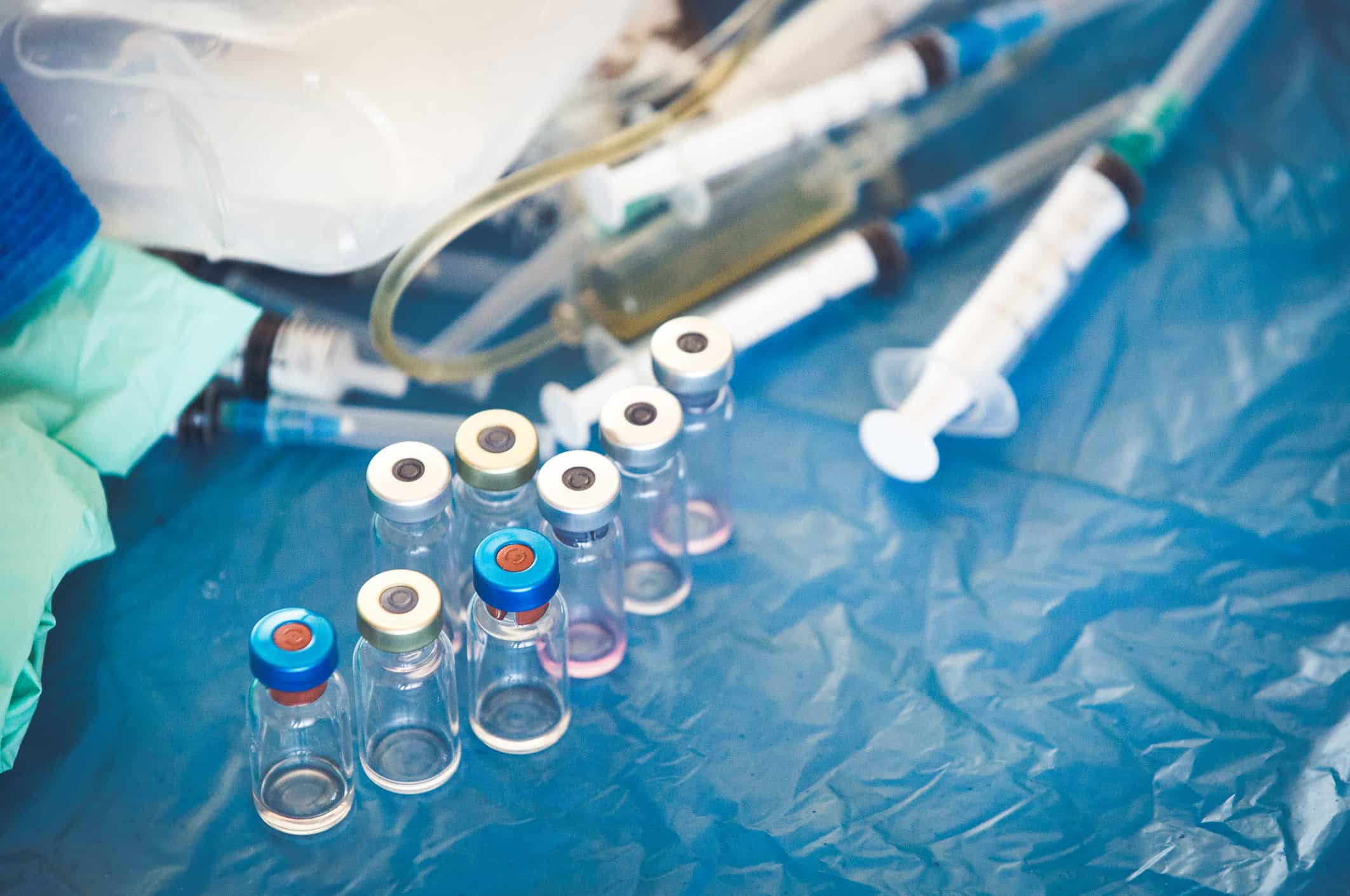
Pathological & Chemotherapeutic Waste Disposal

Pathological and chemotherapeutic waste represent some of the most regulated and clinically sensitive categories in healthcare. These streams involve human anatomical materials, oncology-related residues, and drug-contaminated items that require specialized handling, secure transport, and, in many jurisdictions, destruction through high-temperature incineration.

Masthead inner graphic. Innerpage header background.

Safe Pathological & Chemotherapeutic Waste Disposal

Sharps Medical Waste Services delivers compliant, defensible disposal programs for organizations that cannot afford ambiguity. Our executive leadership team prioritizes regulatory alignment, operational discipline, and downstream treatment integrity because pathological and chemotherapy waste programs must hold up under scrutiny from regulators, accrediting bodies, and internal governance teams alike.

We serve facilities of every size, from single-site specialty clinics to complex hospital systems and oncology networks, with a scalable approach grounded in safety, compliance, and environmental responsibility.

Request a Waste Evaluation

GettyImages-1007733598

Pathological Waste Disposal

Secure destruction of human anatomical and infectious materials. Pathological waste, often referred to as Class 2 waste in many jurisdictions, includes human tissues, organs, body parts, surgical specimens, and body fluids removed during medical procedures. Because of its nature, this material frequently requires incineration under state regulations to ensure destruction.

Sharps Medical Waste Services manages pathological waste through a controlled chain-of-custody process that prioritizes secure containment at the point of generation, compliant packaging, documented transport, and treatment in accordance with applicable federal, state, and local regulations. For healthcare leaders, the objective is not only disposal, but defensibility. Our programs are structured to reduce handling risk within the facility, maintain documentation integrity throughout transport, and support inspection readiness at any time.

GettyImages-1138700792

Chemotherapeutic Waste Disposal

Specialized solutions aligned to USP <800>, NIOSH guidance, and hazardous waste regulations. Chemotherapy waste management has evolved significantly with the expansion of USP <800> standards and increasing awareness around occupational exposure. Trace residues, bulk chemotherapy waste, contaminated PPE, and drug preparation materials require clear segregation and proper classification to prevent both safety incidents and regulatory violations.

Sharps Medical Waste Services supports facilities in distinguishing between trace and bulk chemotherapy waste and in aligning each category to the correct treatment pathway. Our role is to help facilities translate complex regulatory language into operational clarity. This includes assessing current segregation practices, verifying storage controls, and ensuring that waste intended for incineration is securely managed from generation to destruction.

Designed for Clinical Environments

Pathological and chemotherapy waste programs must function within active clinical settings without disrupting care. Sharps structures programs to support point-of-generation containment, safe internal movement, and secure staging prior to pickup. This reduces unnecessary handling and limits exposure risk for clinical and environmental services staff. Our teams understand that oncology infusion centers, surgical suites, laboratories, and acute care environments operate at different volumes and under different risk profiles. We align service frequency, container strategy, and pickup coordination to your actual generation patterns so the program supports clinical efficiency rather than competing with it.

Improper management of pathological or chemotherapy waste can result in significant penalties, reputational harm, and patient or staff exposure risk. Many states require incineration for pathological materials, and chemotherapy waste may fall under RCRA hazardous waste regulations depending on the drug and concentration.

Sharps Medical Waste Services stays aligned with evolving federal and state requirements so your program reflects current standards. Our compliance professionals and operations leadership work together to maintain documented transport, proper manifesting when required, and treatment records that can be retrieved when audits arise. For healthcare systems and enterprise organizations, this level of alignment is not optional. It is foundational.


High-risk waste streams still demand environmental responsibility. Sharps approaches treatment selection and logistics planning with both compliance and environmental stewardship in mind. Where incineration is required, we ensure it is conducted in accordance with governing regulations. Where alternative technologies are appropriate, we evaluate them through the lens of safety, regulatory acceptance, and operational feasibility.

Our leadership remains committed to building programs that protect people first while recognizing the broader environmental impact of healthcare waste management.

GettyImages-2155534056

A Single Partner for Complex Waste Streams

If your organization is reassessing its current program or preparing for regulatory review, we can evaluate your existing approach and recommend a compliant, defensible solution tailored to your facility footprint.To discuss pathological or chemotherapeutic waste disposal services, contact Sharps Medical Waste Services and connect with our team.

Request a Waste Evaluation

cta-texture
Request A Quote