Some Popular searches:
Some Popular searches:
Municipal waste works best when viewed in the context of your total waste profile. When general waste, recycling, and regulated medical waste programs operate independently, opportunities for cost control and operational alignment are often missed.




Municipal waste, often referred to as solid waste or general trash, includes the everyday non-regulated waste streams generated by healthcare facilities, laboratories, pharmacies, and commercial operations. This can include paper, cardboard, food waste, packaging materials, and other non-hazardous refuse that does not fall under regulated medical, hazardous, pharmaceutical, or universal waste categories.
While municipal waste is not governed by the same federal healthcare regulations as regulated medical waste, it is still subject to local and state solid waste laws. Improper segregation between regulated and non-regulated waste can lead to unnecessary costs, compliance exposure, and operational inefficiencies.
Common materials managed within municipal waste programs may include:
Note – Local municipalities may have specific recycling mandates, landfill diversion requirements, or sustainability ordinances that impact how municipal waste must be managed.
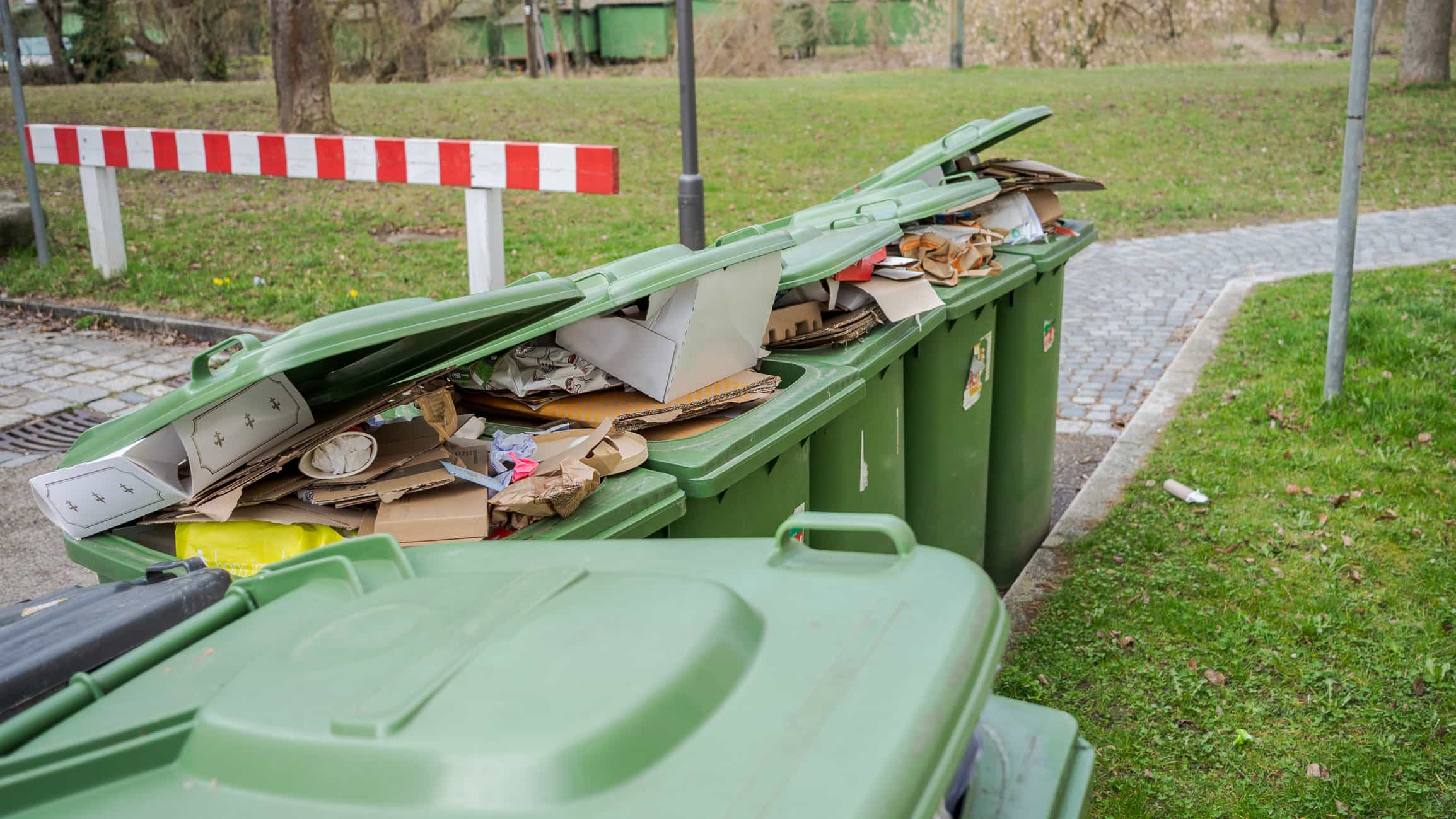
Municipal waste may not carry the same regulatory intensity as controlled substances or pathological waste, but it represents a significant portion of your total waste volume and cost structure. When managed separately from regulated waste programs, organizations often face fragmented vendor relationships, inconsistent service levels, and limited visibility across waste streams.
Sharps Medical Waste Services provides coordinated municipal waste solutions as part of a comprehensive waste strategy. Our approach aligns general waste services with your regulated waste program to reduce vendor complexity and improve oversight. This allows organizations to streamline communication, centralize service coordination, and create a more cohesive operational model.
For procurement, facilities, and environmental leaders, the benefit is integration. Municipal waste management becomes part of a broader waste strategy rather than an isolated contract.

Municipal waste services through Sharps are structured to align with your facility’s operational footprint and waste generation patterns. Programs are designed to provide consistent pickup schedules, reliable service coverage, and clear documentation of service performance. This structure supports organizations seeking efficiency, predictability, and reduced administrative burden across waste categories.

We have had an outstanding experience working with Sharps Medical Waste and specifically the Hazardous Waste division. Their team lead by Josh Gallant and Jill Tuchmann, has taken full ownership of our hazardous waste program, seamlessly managing all documentation, packaging, and shipping requirements. This has significantly reduced the stress and complexity associated with staying compliant with ever-changing regulatory standards, allowing our team to focus on our core responsibilities with confidence.
What truly sets them apart is their exceptional level of professionalism and responsiveness. From the service technicians in the field to the leadership team, every interaction has been handled with expertise, attention to detail, and a clear commitment to customer satisfaction. Their proactive approach and reliability far exceed that of any other vendor we have partnered with.
I strongly recommend SMW to any organization seeking a knowledgeable, dependable, and high-performing hazardous waste management partner.
Very professional staff!
Professional and pleasant!
Very professional and timely when picking up our medical waste from the funeral home. Calls to confirm we have waste for pickup so they do not make an unnecessary trip out.
Jeremy was fantastic! He helped me get my account set up quickly and efficiently and took the time to answer all of my questions. I really appreciated how smooth and easy he made the process.
Collin and his team have gone above and beyond to take care of us. We appreciate you all very much. We highly recommend Sharps!
Inside Sales Specialist Jeremy Fleming is absolutely amazing!!!!!!!! If it wasn’t for him, I don’t know if I would have services registered. He is so easy accessible, helpful, knowledgeable, and thorough! Everything just runs smooth and correct once he is involved. So thank you for making our services run the right way for our clients.
excellent service!!!
Great and problem was solved immediately
Sharps Medical Waste Services as been a great partner of ours and has been providing great customer service to our nationwide customers.


By incorporating municipal waste into your Sharps service structure, you gain a more comprehensive view of waste generation, clearer accountability, and the ability to evaluate diversion, sustainability, and service optimization across the entire organization.
For healthcare systems and multi-site enterprises, this integrated model reinforces Sharps Medical Waste Services as a single-source partner capable of supporting both regulated and non-regulated waste needs.