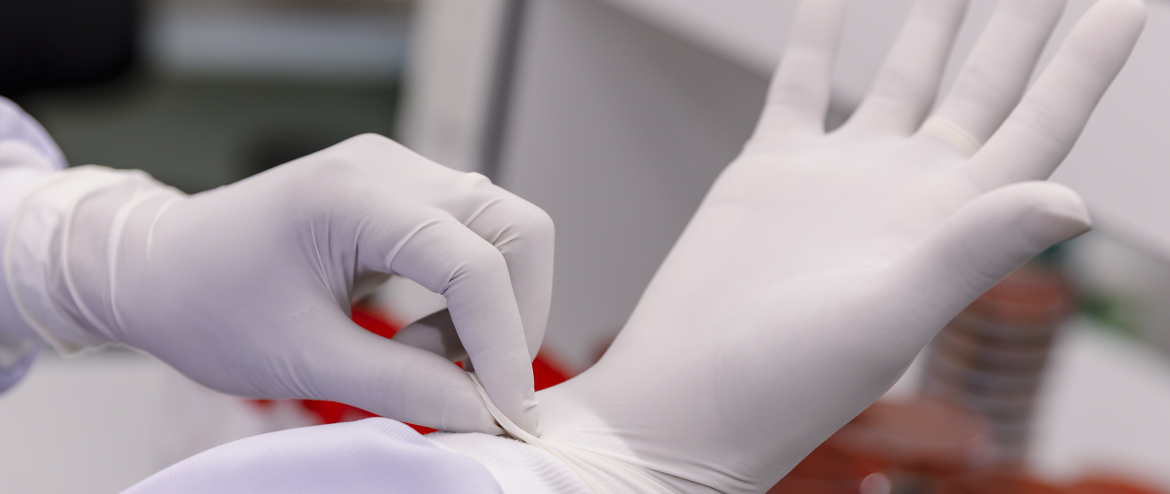
November 10, 2021 Is Your PPE Regulated Medical Waste? OSHA requires employers to “provide appropriate PPE for workers who could be exposed to blood or other infectious materials (such as internal bodily fluids).” Commonly used Personal Protective Equipment (PPE) for healthcare workers include gloves, gowns, goggles, masks, and face shields. While some of those items may be reusable, the majority are single-use items requiring disposal after use. Though OSHA defines what level of contamination requires disposal as regulated medical waste, state regulations may have more strict definitions of what PPE must be disposed of as regulated medical waste (RMW). Do your employees know how to tell the difference? Proper training on waste segregation – for PPE and other medical-related wastes – can help you create a safer workplace, keep you regulatory compliant, and save on medical waste disposal costs. Many Facilities Face Rising Costs for PPE Procurement & Disposal The COVID-19 pandemic put healthcare providers in a double bind: as demand for PPE increased, so did the cost to purchase it. However, medical waste disposal costs also increased for many medical facilities due to the over-classification of COVID-related PPE as RMW. Initial uncertainty about modes of disease transmission led many to err on the side of caution and treat all PPE as RMW. Later guidance from OSHA and the CDC indicated that most COVID-related PPE could be disposed of in regular trash. “The Occupational Safety and Health Administration and the CDC released guidance specific to COVID-19 waste, which determined that the virus is a Category B infectious substance. This means PPE and other medical waste generated in the treatment of patients with COVID-19 can be managed in the same way as other waste related to Category B infectious substances, in contrast to the more hazardous Category A infectious waste generated in the management of diseases such as Ebola.” In most states, this means that only PPE that is grossly contaminated with blood or other potentially infectious materials to the extent that such substances could be released upon handling should be treated as RMW. The rest can be disposed of in regular trash. However, remember that several states and industries have more stringent guidelines for the management of PPE waste during the COVID-19 pandemic. Always check with your appropriate regulatory agencies for handling and disposal guidelines. Read our September 2021 updated guide to COVID medical waste to learn more about waste disposal requirements for healthcare settings and other industries. Strategies to Lower PPE and RMW Disposal Costs Because PPE may have been in contact with bloodborne pathogens or other potentially infectious materials (OPIM), some waste generators place all of it in red biohazard bags to be disposed of as regulated medical waste “just in case.” This is an expensive mistake! RMW disposal costs are as much as ten times higher than for municipal trash. Even small reductions in quantities can result in big savings. Make waste segregation easy: Use color to provide visual cues. For example, RMW waste goes in red containers, recycling in green, regular trash in brown, etc. Place them conveniently for staffers, but separate them so that red bag containers aren’t side-by-side with regular trash. Use posters and visual aids: Place informational posters or other visual aids above waste containers. Employees can quickly see what type of waste is permitted in each container. Sharps Compliance provides posters and training materials to all our customers to help them properly segregate wastes. Use the proper size collection containers: Small RMW containers in exam and patient rooms make it harder for patients and workers to treat them as regular trash containers. We can help you determine the most appropriate size of medical waste recovery systems for your facility. Employee training: No healthcare worker wants to make a mistake and unintentionally spread disease or injure someone. Without proper training, employees may err on the side of caution: if they’re not absolutely sure it’s safe, it goes in the red bag. That means your biohazardous medical waste containers may be full of used gloves and gowns instead of actual regulated medical waste products. Those bloated red bags can break your RMW disposal budget, but simple staff training can fix this, using resources like the complementary segregation posters provided to Sharps customers. State training requirements differ, but OSHA requires orientation training and annual refresher training for employees who have regular or occasional potential for exposure to bloodborne pathogens or OPIM. Additionally, facilities that have direct pickup of RMW must also provide DOT training. Sharps Compliance Can Help Sharps Compliance is a leading single-source provider of regulatory-compliant services for healthcare professionals. We offer comprehensive waste management services for sharps, medical waste, and pharmaceutical wastes. With our service, there are no contracts or hidden fees. Contact us to request a service quote or call 1.800.772.5657 for more information about how we can help you stay compliant and save money on disposal costs. Read More
May 26, 2015 COVID-19 Medical Waste: Helpful Tips Last updated on September 29, 2021 This is an update of the article originally published on March 19, 2020. Regulations change frequently. That’s why Sharps Compliance monitors updates and communicates any changes to its customers. In these uncertain times, many of our current and prospective customers look to us, their regulated medical waste (RMW) management experts, for guidance in the proper handling of waste generated from confirmed and suspected COVID-19 cases, and rightfully so. As a courtesy to anyone seeking out such guidance, we have created a list of recommendations for waste management in some of the industries most impacted by coronavirus. All guidance listed below reflects the most up-to-date recommendations issued by the Centers for Disease Control (CDC), the World Health Organization (WHO), and industry leaders, as of April 10, 2020. And though the general recommendation is to treat COVID-19 RMW the same as any other infectious waste, there are some specific tips below that may prove useful to your home or practice. Healthcare, general: CDC’s Guidelines for Caring for Patients: Management of medical waste should be performed in accordance with routine procedures. CDC’s Infection Control Recommendations: Facilities should provide tissues and no-touch receptacles for disposal, at healthcare facility entrances, waiting rooms, and patient check-ins. Healthcare professionals must receive training on and demonstrate an understanding of how to properly dispose of or disinfect and maintain PPE. CDC’s guidance states that management of laundry, food service utensils, and medical waste should be performed in accordance with routine procedures. Discard disposable PPE after exiting patient’s room or care area and closing the door unless implementing extended use or reuse. From OSHA’s “Guidance on Preparing Workplaces for COVID-19”: N95 respirator training should address proper disposal. Workers who dispose of PPE and other infectious waste must also be trained and provided with appropriate PPE. Per the American Association of Bronchology & Interventional Pulmonology: Disposable bronchoscopes should be used first line when available. Follow CDC instructions for proper donning and doffing of all protective equipment and disposable devices. This information is based on the latest Centers for Disease Control (CDC) recommendations and expert consensus of the AABIP COVID-19 Task Force. Family Medicine Clinics: American Academy of Family Physicians’ Checklist to Prepare Physician Offices for COVID-19: No-touch containers with disposable liners should be placed in all reception, waiting, patient care, and restroom areas used to dispose of waste materials with respiratory secretions. Arrange to use the currently recommended routine procedures/methods/protocols for the disposal of dangerous/medical waste. Nursing Homes: Nursing Homes are guided to put a trash can near the exit inside the resident room to make it easy for staff to discard PPE prior to exiting the room, or before providing care for another resident in the same room. Laboratories (diagnostic): For SARS-CoV-2 laboratory waste, follow standard procedures associated with other respiratory pathogens, such as seasonal influenza and other human coronaviruses. Handle laboratory waste from testing suspected or confirmed COVID-19 patient specimens as all other biohazardous waste in the laboratory. Currently, there is no evidence to suggest that this laboratory waste needs additional packaging or disinfection procedures. Refer to the CDC’s Biosafety in Microbiological & Biomedical Laboratories, revised in June 2020, for more info. Biohazardous waste containers should be leakproof and closed prior to removal from the laboratory for decontamination. If there is no autoclave onsite, then pack waste in accordance with institutional policy and procedures. CDC has also issued lengthy Waste Disposal Recommendations for Postmortem Specimens from Deceased Persons Under Investigation for COVID-19. Dialysis Centers: CDC’s Interim Additional Guidance for Infection Prevention and Control Recommendations for Patients with Suspected or Confirmed COVID-19 in Outpatient Hemodialysis Facilities: Provide patients and healthcare professionals with instructions (in appropriate languages) on how to dispose of tissues and contaminated items in waste receptacles. Facilities should position no-touch disposal receptacles close to dialysis chairs and nursing stations. Disposable gowns should be discarded in a dedicated container after use. Community Facilities: CDC’s Interim Cleaning & Disinfecting Community Settings for U.S. Community Facilities with Suspected/Confirmed Coronavirus Disease 2019 states “Employers must comply with OSHA’s standards on Bloodborne Pathogens (29 CFR 1910.1030), including proper disposal of regulated waste, and PPE (29 CFR 1910.132).” Airlines: If no symptomatic passengers were identified during or immediately after the flight, follow routine operating procedures for cleaning aircraft, managing solid waste, and wearing PPE. If ill travelers were identified during flight, treat all body fluids (such as respiratory secretions, diarrhea, vomit, or blood) as infectious. Properly dispose of gloves and other disposable items that came in contact with the sick person or body fluids in a biohazard bag or a secured plastic bag labeled as “biohazard.” General recommendations during the enhanced cleaning process include following the airline’s routine procedures for disposal of PPE and other disposable items used in cleaning. Note that all waste from international flights will also fall under the jurisdiction of the U.S. Department of Agriculture/Animal and Plant Health Inspection Service (APHIS). Ships: PPE should be removed and placed with other disposable items in sturdy, leak-proof (plastic) bags that are tied shut and not reopened. The bags of used PPE and disposable items can then be placed into the solid waste stream according to routine procedures. Follow your standard operating procedures for waste removal and treatment. Dental Settings: Disposable respirators should be removed and discarded after exiting the patient’s room or care area. Disposable eye protection should be discarded after use. Remove and discard soiled gowns in a dedicated container for waste or linen before leaving the patient room or care area. Law Enforcement: If close contact occurs during apprehension, follow standard operating procedures for the containment and disposal of used PPE. Schools, Workplaces & Community Locations: If someone is sick, wear disposable gloves and gowns for all tasks in the cleaning process, including handling trash. Employer considerations: Educate workers performing cleaning, laundry, and trash pickup to recognize the symptoms of COVID-19. Provide training on how to properly dispose of PPE to all cleaning staff on site prior to providing cleaning tasks. Comply with OSHA’s standards on Bloodborne Pathogens (29 CFR 1910.1030), including proper disposal of regulated waste, and PPE (29 CFR 1910.132). Transit Industry: Provide tissues and no-touch disposal receptacles for use by employees. Homes & Residential Communities: Place all used disposable gloves, face masks, and other contaminated items in a lined container before disposing of them with other household waste. Clean your hands (with soap and water or an alcohol-based hand sanitizer) immediately after handling these Throw used tissues in the trash. If possible, dedicate a lined trash can for a sick person. Use gloves when removing garbage bags and handling and disposing of trash. Consider consulting with your local health department about trash disposal guidance if available. Airlines: Provide tissues and no-touch disposal receptacles for employees to use. Alternate Care Sites: Non-traditional environments (converted hotels, mobile field medical units etc.) established by jurisdictions to deliver hospital-level, acute and non-acute care should implement the following infection prevention and control considerations to supplement existing pandemic planning efforts: Infrastructure to ensure dirty storage space for medical and non-medical waste and dirty equipment waiting to be reprocessed Sanitation and waste servicing for routine waste and medical waste (if required); refer to local regulations for handling of medical waste Daily removal of trash from individual patient rooms (e.g., hotel) plus environmental services staff perform terminal cleaning of rooms and patients ideally perform daily cleaning Please refer to the EPA’s full listing of disinfectants for use against SARS-CoV-2 (COVID-19). Additionally, since states govern regulated medical waste, please be sure to check with your state’s regulatory agency(s) to see if they have any additional guidance, requirements, or tips for handling waste specific to your state. Lastly, please contact Sharps Compliance at 800.772.5657 if you have any questions. Is your medical office ready? Review our article on preparing your medical office for COVID-19 Coronavirus. Read More