August 4, 2021 The Benefits of Sharps Mailback Systems: Safe, Affordable, & Regulatory Compliant Used needles and other sharps can cause needlestick injuries and spread infections if they aren’t disposed of properly. As the opioid epidemic continues and the number of patients who self-inject medications increases, so does the need for secure disposal options in public spaces and for those who self-inject medications at home. Sharps Compliance can help. Our TakeAway Recovery Systems are all-inclusive mailback solutions that offer an affordable, safe, and convenient way to collect, package, and ship small quantities of sharps wastes. Safely Manage Sharps Waste with Mailback Systems Use the TakeAway Recovery Systems to pack your used sharps, complete the necessary paperwork, and ship the package directly to our disposal facility. They’re ideal for small quantity waste generators like veterinarians, tattoo parlors, dentists, med spas, pharmacies, and physician offices because you return them based on your needs, not a waste hauler’s schedule. Other benefits of TakeAway Recovery systems include: Cost: You pay for only what you need. When a container is full, place it in the provided mailback box, complete the paperwork, and return using the prepaid, pre-addressed mailing label. Scalability: Many facilities find that their need for sharps disposal fluctuates – for example, pharmacies during flu shot season. The TakeAway systems provide flexibility and affordability. You can easily scale up during high usage times without changing providers or signing a new contract. Liability: Businesses can be held liable if employees or customers are injured by discarded sharps. Our Sharps Secure Needle Disposal System is a lockable collection cabinet designed specifically for public restrooms. Return it for disposal and treatment using a TakeAway Recovery System mailback box. Regulatory compliant: Both state and federal regulations govern the handling, transport, and treatment of regulated waste disposal. The TakeAway Recovery Systems supply everything you need to comply with applicable state and local regulations, including tracking and proof of destruction. Sharps Mailback Options for Individuals The global injectable drug market is projected to grow at a compound annual growth rate of 11.8% between 2016-2021. For example, advances in veterinary medicine make it possible to treat chronic illnesses, like diabetes, at home, with many pet owners giving regular injections to their pets. It’s very important for individuals who self-inject, whether themselves or their pets, to dispose of their used sharps safely. Needlestick injuries are all too common in trash and recycling facilities and are expensive to treat. A 2016 study of needlestick injuries to workers in materials recycling facilities found that workplace injuries could total as much as $2.25 million in direct medical care costs. Many states have specific regulations regarding home sharps collection and disposal to reduce the risk of needlestick injuries. Some specifically prohibit the mixing of home-generated sharps with regular trash or recycling. We can help you safely manage your sharps waste at home. TakeAway Recovery Systems are comprehensive, prepaid mailback systems that come in a variety of sizes. Choose the one that fits your personal needs. Travel-Size Sharps Tubes are designed for on-the-go use. These containers easily fit into a purse, pocket, or briefcase for easy access. After use, place the sharp item into the tube, secure the lid, and retain it until you safely dispose of it in a sharps collection kiosk, disposal container at an airport or other public restroom, or in your home TakeAway Recovery container. How Sharps Mailback Systems Work The packaging, labeling, and transportation of sharps mailbacks are subject to USPS packaging requirements. Manufacturers must utilize only FDA-cleared sharps containers as part of their sharps mailback systems. Additionally, all systems must pass rigorous independent testing to gain USPS approval for the transport through the mail. Fortunately, the mailback process is much less complicated for the end-user. Our TakeAway Recovery Systems provide everything you need to safely contain, store, package, label, and return your used sharps. Our mailback systems include: A primary collection container Prepaid postage, pre-addressed return shipping box Components to package full sharps container for transport Waste manifest tracking form Instructions for use, proper treatment, and online documentation of treated waste Contact us to learn more about how we can help you comply with existing regulations and safely dispose of sharps and other regulated wastes. Read More
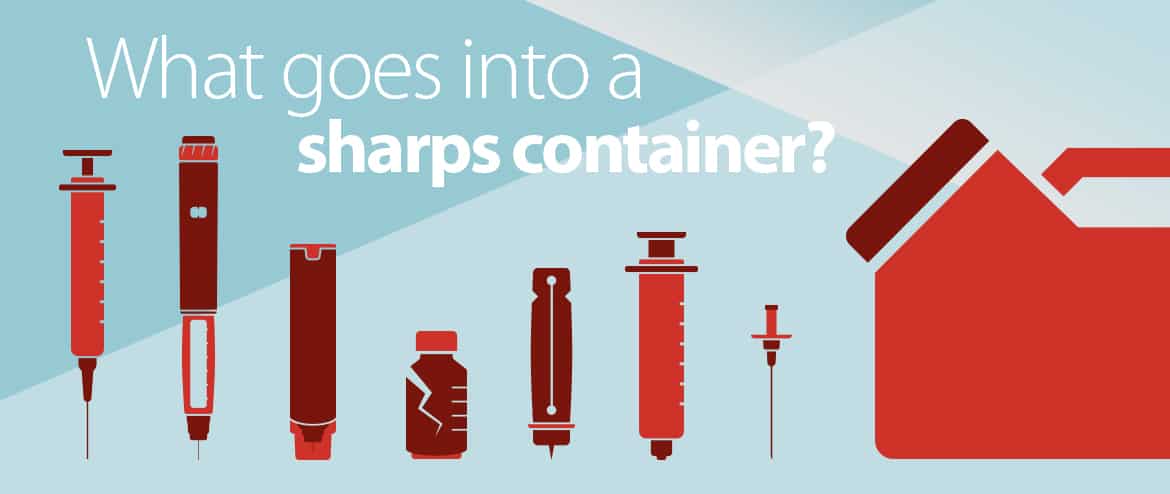
December 18, 2019 INFOGRAPHIC: What to Do if You Find a Discarded Syringe or Sharp Jump to the infographic. Safe handling and disposal of used needles and sharps help prevent injuries caused by accidental needlesticks. Unfortunately, many people don’t properly dispose of their used syringes and sharps. As a result, other people are injured by used syringes that were carelessly discarded in garbage cans, dropped in parks and playgrounds, or left behind in other public places. It’s scary to realize that there’s a chance that you or your child might find one! Do you know what to do? You Found a Used Needle. Now What? Anybody who finds a discarded syringe should assume it’s contaminated with a bloodborne disease or unknown type of drug. The safest course of action is to call the authorities and report it. For example, you might alert park police, lifeguards, security personnel, a store manager, etc. depending on where the needle is located. You can also call your local health department or law enforcement agency to report it. If you choose to remove it yourself, be extremely careful! Children should be taught never to touch a used syringe but always report it to an adult. The Spokane Regional Health District recommends these safe syringe removal steps for adults: Do not try to recap the syringe. Find a rigid, thick-walled, sealable plastic container big enough to contain the syringe. Use protective gloves if possible. Bring the container to the syringe. (Walking with an uncapped syringe increases exposure risk.) Place the container on the ground next to the syringe. Pick up the syringe in the middle of the barrel, never by the needle. Place the syringe in the container, sharp in first, and let it drop. (Never try to hold the container as you place the syringe inside. You could accidentally stick yourself.) Secure the lid on the container and affix with tape. Remove your gloves and thoroughly wash your hands with soap and water. Seek medical attention immediately if you receive an accidental stick or cut from the used sharp. If there are multiple syringes piled up, never try to separate them by hand. Always use tongs to lay them out separately prior to placing them, individually, into a safe container. Remember that protective gloves and tongs can reduce manual dexterity and make it more difficult to hold the syringe securely in place. The Sharps Compliance infographic below shows the different types of sharps and offers some brief “do’s and don’ts” for safe sharps disposal. Never Place Used Syringes in Garbage Cans or Recycling Bins You’re only transferring the risk to someone else, usually a sanitation or recycling worker. For example, a recycling center in Broward County, FL reported a spate of worker injuries due to accidental needlesticks: Hypodermic needles have stabbed five employees this year at the Waste Management Recycling Brevard plant — sending them to the emergency room for blood-borne pathogen treatments. Since New Year’s Day, workers have filled six 30-gallon “biohazard” cardboard boxes with thousands of dirty needles that Space Coast residents improperly tossed into curbside recycling carts. Many municipalities do not permit contained sharps in the regular trash. Contact your local authorities before you place any sharps in your trash. Medication Self-Injection Is on the Rise Safe disposal of used syringes is a growing public safety issue, mainly because the rate of self-injection is on the rise in this country. Although many people think of illegal drug use when they see the phrase “self-injection,” many people with cancer, migraines, or chronic conditions like diabetes, rheumatoid arthritis, and multiple sclerosis self-inject their medications. Nearly 45% of all Americans suffer from at least one chronic disease, and the numbers are expected to rise as the population ages. When self-injection is a prescribed treatment, most medical professionals and pharmacists counsel patients on safe disposal methods approved by regulators. Sharps Compliance offers FDA-cleared Sharps Recovery Systems: Mailback sharps containment and disposal systems for home disposal, Travel-size transport tubes for safe disposal away from home, and Sharps container and disposal systems installed in public restrooms. The use of these is increasing as employers and local governments become more aware of the public health and liability issues raised by improper disposal. Illicit drug use (Schedule I drugs) is also on the rise. The Centers for Disease Control call heroin use “an epidemic” in the United States. In contrast to those who self-inject and immediately dispose of their syringes, lancets, etc., many IV drug abusers regularly reuse needles. Needle exchange programs help curb this trend, but safe disposal is rarely a priority. Local laws regarding the possession of “drug paraphernalia” can act as disincentives to safe disposal. Abusers often share needles with others, which increases the risk of contracting/spreading bloodborne diseases like HIV and hepatitis. That’s why accidental needlesticks and cuts are so traumatic for the victims and expensive to treat. For example, after a classmate poked an Arizona child with a syringe, the injured child’s mother described the prophylaxis treatment, multiple tests, and the cost: Amanda said her daughter is now taking antiviral medication for hepatitis and HIV as a precaution. […] Meantime, she said her out-of-pocket medical costs are mounting. The HIV medication alone cost $1,400 and her daughter will require regular blood tests for six months, she said. Improperly discarded syringes affect the health and safety of our communities. Contact us to learn more about how using our medical waste disposal systems can protect you, your family, and your community from accidental injury. Want to embed “INFOGRAPHIC: What to Do if You Find a Discarded Syringe or Sharp” on your site? Copy and paste the code below. <p style="text-align: center;"><img style="width: 100%; height: auto;"src="https://blog.sharpsinc.com/wp-content/uploads/2019/10/SCI-Discarded-Syringe-2019-Infographic.jpg"> What to Do if You Find a Discarded Syringe or Sharp - An Infographic by <a href="https://www.sharpsinc.com">Sharps Compliance</a></p> Read More
January 30, 2019 Safe Needle Disposal Helps Protect Public from Needlestick Injuries Last updated on April 2, 2021 The number of Americans self-injecting drugs outside healthcare settings increases each year. A 2015 study by Zion Research estimated that the global injectable drug market will grow at a compound annual growth rate of 11.8% between 2016-2021. Many patients need to inject medications when away from home but lack access to safe disposal options. Sharps Compliance Needle Collection and Disposal Systems help local governments and private businesses protect the public and employees from needlestick injuries. Improper Disposal Increases Danger of Needlestick Injuries A 2011 report from the Coalition for Community Needle Disposal found that the number of needles disposed of outside healthcare settings tripled between 2000 and 2010. As of 2011, 13.5 million Americans were discarding 7.8 billion used needles. Even now, too many of these used needles go into household trash or public trash bins, which endangers the public and workers who handle the waste. Recent avoidable injuries include: February 2018: A Seattle library custodian was stuck by a discarded needle as he emptied trash containers. July 2018: Cal-OSHA fined the Department of General Services for failing to provide proper training after several groundskeepers received needlestick injuries. August 2018: A customer at a New Mexico Walmart was stuck by a discarded needle in the store’s bathroom. October 2018: A Seattle police officer stepped on a discarded syringe in a public park. November 2018: A student in Roxbury, MA was pricked by a needle on the playground during recess. The Need for Safe Needle Collection & Disposal Systems As needlestick injuries to the general public, as well as custodial and solid waste workers, increase, many governments and private businesses are looking for solutions to protect employees and the public. For example, Philadelphia placed needle drop boxes in some public parks and transit stations as part of the Mayor’s opioid “disaster declaration.” Similarly, Starbucks began exploring options for safe needle disposal after employees were injured by sharps discarded in restroom trash bins. Starbucks said in its statement it is considering installing sharps containers, FDA-cleared boxes that according to the agency are made from “rigid plastic” and “help reduce the risk of injury and infections from sharps.” Accidental needlesticks can expose people to dangerous bloodborne pathogens, including HIV/AIDS, Hepatitis B, and Hepatitis C. Because of the danger, the Centers for Disease Control and Prevention offers guidelines for anyone who experiences a needlestick or sharps injury: Wash needlesticks and cuts with soap and water Flush splashes to the nose, mouth, or skin with water Irrigate eyes with clean water, saline, or sterile irrigants Report the incident to your supervisor Immediately seek medical treatment Safe disposal options can also help avoid the medical and liability costs that result from needlestick injuries. Medical & Liability Costs from Needlestick Injuries Needlestick injuries aren’t just dangerous – they’re also expensive! A 2016 study of injuries to workers in materials recycling facilities found that workplace injuries could total as much as $2.25 million in direct medical care costs. Another study found that individual costs from an accidental needlestick range from several hundred to over a thousand dollars. Liability costs can be a lot higher. For example, Target Corporation is currently appealing a $4.6 million jury award to a customer who was stuck by a discarded needle in the store’s parking lot. Court records obtained by the Anderson Independent-Mail said Carla Garrison’s lawyer asked Target for $12,000 and the retail chain offered her $750. Garrison says her 8-year-old daughter found the needle in the parking lot of a Target in Anderson in May 2014, and Garrison was pricked when she knocked it out of the child’s hand. In April 2018, an Albuquerque, NM, woman sued her son’s school after he was poked by a discarded needle on the playground and the school failed to notify her. Sharps Compliance offers safe, affordable sharps disposal systems for public places. Our Sharps Secure system feature lockable wall containers designed for use with Sharps Recovery System sharps containers. Once the sharps container is full, simply package it in the prepaid mailing box for USPS shipping. They’re easy to use and help protect your employees and customers from needlestick injuries. Read More
October 3, 2018 Travel-Size Sharps Tubes Protect Us While on the Go Last updated on January 21, 2021 Travel is stressful enough already. Add the challenge of used sharps disposal on a plane, bus, or secluded mountaintop and… Wait, that’s not stressful at all! Our travel-size sharps tubes go where you go and are there when you need them. They’re a portable, compact, secure, and affordable way to safely contain your used syringes and other sharps waste while traveling or even when out shopping. Here’s how they work: Carry a travel-size sharps tube in your backpack, purse, or briefcase. After you self-inject or test your blood, place the used sharp in the travel tube. Dispose of the entire sharps travel tube at a safe location – a sharps collection kiosk, disposal container at an airport or other public restroom, or in a home sharps disposal container (like our Sharps Recovery Systems). The travel tubes are designed for one-time use, to reduce the possibility of accidental needle sticks. For safety, once the lid is locked, it can’t be reopened. Dispose of the tube either in a larger sharps disposal container or as you would any other sharps container. Preferably, do not throw the tube in the regular trash since many states do not allow such disposal even by home users. Check with your state for proper disposal of home-generated sharps containers. Sharps Transport Tubes Are FDA-Cleared and OSHA-Compliant The FDA recommends that used sharps be “immediately placed in a sharps disposal container.” Our transport tubes are FDA-cleared and made of puncture-resistant plastic with a tight-fitting cover. Unused syringes are allowed in carry-on luggage – with restrictions, according to TSA: “Unused syringes are allowed when accompanied by injectable medication. You must declare these items to security officers at the checkpoint for inspection. We recommend, but do not require, that your medications be labeled to facilitate the security process.” If you carry unused syringes or sharps on planes and expect to use them while in transit, be sure to follow TSA guidelines for used sharps in carry-on luggage. “Used syringes are allowed when transported in Sharps disposal container or other similar hard-surface container.” Our travel-size sharps tubes meet FDA and TSA requirements. They come in cases of 7 tubes so that you won’t run short unexpectedly. Remember that TSA may require special screening for sharps and medication. Consider keeping your medications and supplies easily accessible for easier screening through airport security. Who Should Carry A Sharps Tube? Transport tubes can be used on the job by trained employees in addition to providing sharps disposal containers in restrooms for use by self-injectors. Sharps are also found on playgrounds and other public places. The travel-size sharps tube is an easy-to-use sharps collection container for city workers and police officers working in the field who have been instructed in syringe containment and removal. Unfortunately, you never know when you’re going to run across a discarded sharp, and the problem could grow over time. So if you find a discarded sharp, notify building management or the police if in a public place. Researchers at the University of Southern California believe that the opioid epidemic will lead to an increase in abuse of injectable drugs: “The prescription opioid epidemic is creating a heroin epidemic, which will create an injection drug use epidemic,” Bluthenthal said. “We’ve seen the first two. Now we’re waiting to see the last emerge on the national level. I predict we’ll see an uptick in injection-related diseases over the next couple of years.” More Tips for Traveling With Sharps FDA: safely using sharps at home, at work, & during travel TSA: travel tips for travelers with disabilities or other medical conditions Mayo Clinic: diabetes and travel National Multiple Sclerosis Society: a doctor’s travel tips Read More
February 21, 2018 Safely Dispose of Pet Needles, Syringes, and Medications Last updated on January 24, 2019 Americans love their pets! So, in honor of National Spay/Neuter Awareness Month and World Spay Day (February 27), we’re spending the month highlighting a specific segment of medical waste generators – veterinary hospitals and pet owners. Our pets are living longer, so pet owners need to be knowledgeable about safety issues around home medical care for diseases related to obesity and aging – specifically safe disposal of syringes and unused medications. The American Pet Products Association’s 2017/2018 annual survey of pet ownership found that approximately 47 million households in the U.S. have at least one cat and 60 million households have at least one dog. As the United States population ages, our pets are aging right along with us and are subject to many of the same diseases of aging – and often the same treatments. Many pet owners now give regular in-home injections to their pets and must deal with how to safely dispose of the syringes. Aging Pets Are More Susceptible to Chronic Diseases & Health Problems Part of the average lifespan increase of our pets is due to advances in veterinary medicine, but also because families are willing to spend more money for better care. Average medical costs for dogs can reach $700 annually – and go higher if the animal is injured or suffers from chronic diseases. A triple-digit increase in overweight and obese pets has been seen in the last decade, resulting in higher medical costs for pet owners. Obesity is a risk factor for many health problems, including heart disease, kidney disease, and diabetes mellitus. According to a Banfield Pet Hospital 2016 report, “Canine diabetes has increased by 79.7 percent since 2006, while in felines, the prevalence of diabetes has increased 18.1 percent over the same time frame.” Diabetes is a serious illness, and if diet and exercise adjustments aren’t effective, many pet owners must inject their pets with insulin at home. According to the American Kennel Club: “Most diabetic dogs will require daily shots of insulin under the skin, something that the owner will have to learn to do. Although it’s understandable to be apprehensive about doing this, it’s not as hard as it might sound. It can become a quick and easy daily routine that isn’t traumatic at all for either dog or owner.” Disposal of Pet Syringes in the Home Proper disposal of syringes used to treat feline or canine diabetes, allergies, and other conditions in the home is not only recommended by regulatory agencies but is crucial to protecting the community. If syringes are placed into the regular trash and someone is stuck with the needle, no one knows whether the syringe came from a diabetic pet or a human with an infectious disease, such as hepatitis or HIV/AIDS. Safe disposal methods, available from veterinarians or online, can be used to properly contain, package, and mail the syringes for proper disposal right from the home – an excellent way to solve a serious dilemma. Individual states provide guidance for home injectors, and the FDA advises: “Pet owners who use needles to give medicine to their pets should follow the same sharps disposal guidelines used for humans.” Disposal of Unused Pet Medications in the Home In addition to injectable pet medications, many more pets take oral pharmaceuticals. When it comes to protecting the environment, humans, and pets, disposal of medication down the drain or into the trash is not a safe practice. There are several safer disposal options available to pet owners for not only their pets’ but also their own unused medications. Contact us to learn more about how using our disposal systems for the home can help protect pets, pet owners, and communities, as well as how our medical waste management systems can reduce liability in veterinary practices. Read More