
Some Popular searches:
Some Popular searches:
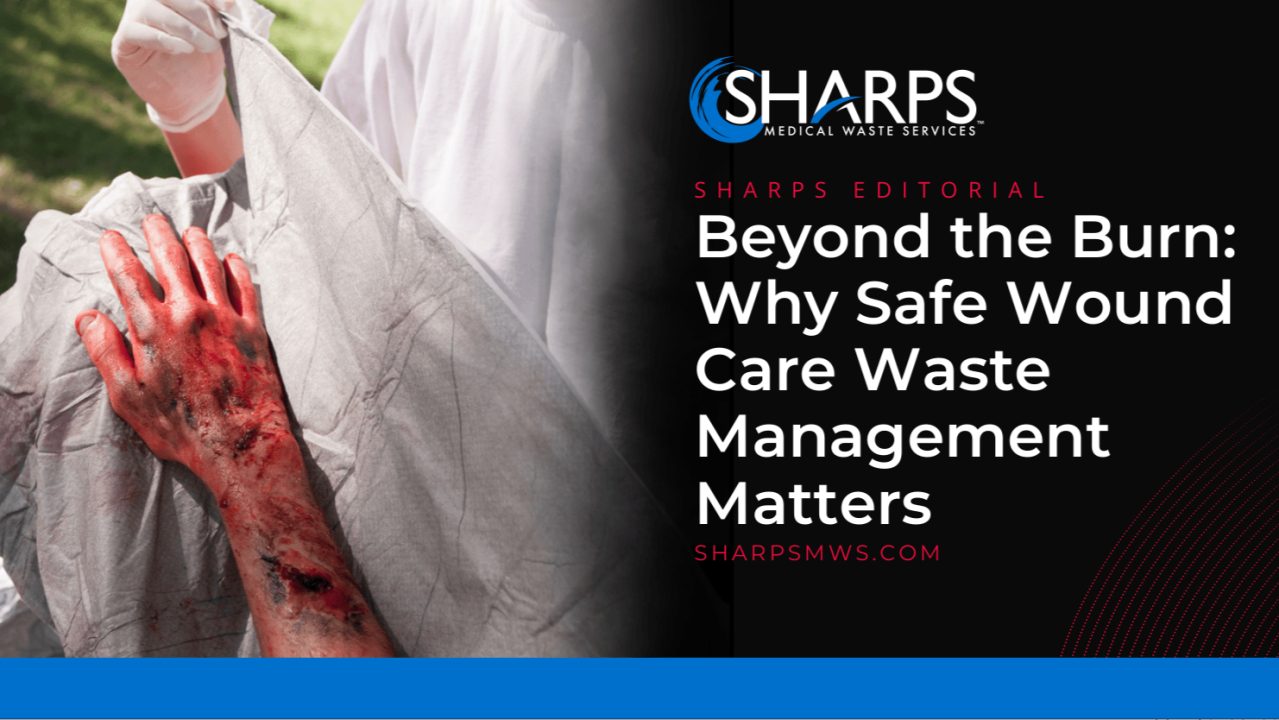
Burn injuries remain a serious and costly challenge across the U.S. healthcare system. According to the American Burn Association, tens of thousands of patients require burn-related medical treatment each year, with many injuries occurring in homes, workplaces, and long-term care environments. Many burn injuries are preventable through education, environmental controls, and safer practices.
What receives far less attention is what happens after a burn injury occurs.
Once treatment begins, healthcare teams generate a high volume of contaminated waste, including used dressings, gauze, gloves, irrigation materials, and sharps, which introduces a second layer of risk. If that waste is not handled correctly, it can expose staff, patients, and the environment to preventable harm and regulatory noncompliance.
Burn care is complex. Even minor burns often require frequent dressing changes, debridement, and pain management. More severe burns can involve surgical intervention, injectable medications, and prolonged wound care. Each of these steps generates regulated medical waste that must be managed carefully.
Common burn mechanisms include scalds from hot liquids or steam, thermal burns from fire or hot surfaces, chemical burns from cleaning agents or industrial products, and electrical burns.
Because burn wounds compromise the skin’s protective barrier, the risk of infection increases significantly. Peer-reviewed research published in Clinical Microbiology Reviews highlights the elevated infection risk associated with burn wounds due to tissue damage and immune response challenges.
When contaminated materials are not segregated, contained, or disposed of properly, that infection risk extends beyond the patient to staff and the care environment.
Burn-related waste frequently includes:
Under OSHA’s Bloodborne Pathogens Standard (29 CFR 1910.1030), materials contaminated with blood or other potentially infectious materials (OPIM) must be handled as regulated waste. This regulation establishes requirements for engineering controls, sharps containers, labeling, employee training, and exposure control plans.
Improper disposal can lead to:
The World Health Organization’s Safe Management of Wastes from Health-Care Activities emphasizes that healthcare waste mismanagement increases occupational injury and infection risk, particularly for environmental services teams and other frontline workers responsible for handling waste after clinical care is complete.

Burn wound waste management is governed by multiple overlapping regulatory authorities:
Facilities are responsible for compliance at every stage, from the point of generation through final treatment and disposal. While regulations establish minimum requirements, many healthcare organizations adopt additional best practices to further reduce risk.
Healthcare facilities can reduce compliance and safety risk by focusing on a few foundational practices:
Segregation at the point of use: Sharps should be placed immediately into puncture-resistant sharps containers that meet OSHA requirements. Saturated dressings and other regulated medical waste should be disposed of in properly labeled biohazard containers.
Sharps safety: Burn care often involves injectable medications and debridement tools. Positioning approved sharps containers at the bedside reduces unnecessary handling and lowers injury risk.
PPE and environmental controls: Gloves, gowns, face protection, and proper surface disinfection align with the Centers for Disease Control and Prevention (CDC)’s infection prevention guidance and OSHA requirements. Cleanable surfaces and controlled storage areas further reduce environmental exposure.
Waste minimization with intention: The WHO encourages healthcare facilities to minimize unnecessary waste generation, provided that safety and single-use item restrictions are not compromised.
Training and documentation: The OSHA Bloodborne Pathogens Standard requires annual training for employees with occupational exposure risk. Consistent training ensures clinical staff, EVS teams, and temporary workers understand their role in safe waste handling. Clear documentation supports compliance during inspections and internal audits.
The Association of periOperative Registered Nurses reinforces that waste management is a shared responsibility across clinical and support teams.

Managing burn wound waste across hospitals, urgent care centers, ambulatory surgery centers, and long-term care facilities requires consistency, documentation, and oversight.
A qualified medical waste partner can help standardize container placement, improve traceability, and support regulatory documentation efforts. However, regulatory responsibility always remains with the healthcare facility.
Sharps Medical Waste Services supports healthcare organizations with:
While no partner replaces a facility’s regulatory responsibility, the right support structure can reduce operational burden and risk.
Preventing burn injuries remains a critical public health priority. But once an injury occurs, safe recovery depends on more than clinical skill alone. It depends on how effectively healthcare organizations manage the waste generated during treatment.
For healthcare leaders, infection preventionists, EVS teams, and administrators, burn wound waste management represents an opportunity to strengthen safety culture, protect staff, and maintain regulatory compliance.
Clinical excellence and operational safety are deeply connected.
Healthcare organizations that address the full lifecycle of burn care, from prevention through regulated disposal, are better positioned to protect people, maintain compliance, and operate with confidence.
—
Sharps Medical Waste Services (MWS) is a leading, U.S.-based provider of regulated medical waste management and compliance solutions, serving healthcare facilities, pharmacies, laboratories, and businesses nationwide. The company is committed to protecting public health through safe, compliant, and reliable waste handling services, supported by rigorous regulatory standards, operational excellence, and a customer-focused service model. For more information, please visit sharpsmws.com.
Media Inquiries
(281) 901-7619
[email protected]