
Some Popular searches:
Some Popular searches:
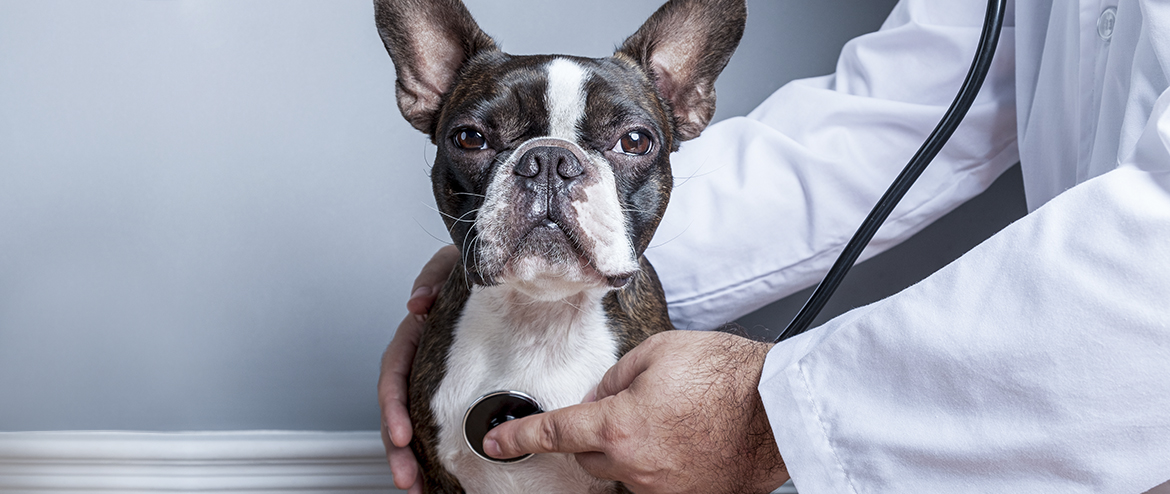
In 2019, Americans spent $95.7 billion on pet care – 30% of that total was for veterinary care and services. In 2018, a New York Times article reported that pet owners “spend $9,000 to more than $13,000 for medical treatments over their pets’ lifetimes.” Animals are living longer because they benefit from better nutrition and better healthcare, but a longer lifespan makes them more susceptible to age-related diseases like heart disease, diabetes, arthritis, and cancer.
As a result, many veterinarians are called upon to provide more advanced care. Some treatments may produce regulated medical waste and/or hazardous wastes that could expose the staff to environmentally harmful and hazardous substances. Veterinary practices need to understand how to safely administer treatments and make waste determinations to compliantly segregate and package/store hazardous wastes in order to comply with OSHA and DOT safety standards.
Hazardous Wastes in Veterinary Practices
Hazardous waste is waste that is dangerous or potentially harmful to our health or the environment. It may be in the form of liquids, solids, gases, sludges, discarded commercial products, like pharmaceuticals, or the by-products of a healthcare process such as gram staining.
Can you answer “yes” to these four questions about hazardous waste?
If the answer to any of the questions is “no,” your practice could incur regulatory penalties and/or monetary fines for non-compliance. Sharps Compliance can help you correctly identify wastes, train employees, and provide regulatory-compliant storage, transportation, tracking, and disposal solutions.
Pharmaceutical Waste in Veterinary Clinics
Proper disposal of medications used in veterinary practices can be confusing. Common pharmaceutical wastes unique to the veterinary industry include:
Drugs used for infusing chemotherapeutics and expired inventory medications can fall under several different types of drug classifications with regard to disposal. This waste involves expired pharmaceuticals in original containers and non-controlled pharmaceuticals (spilled liquids, dropped pills, drugs remaining in syringes after treatment, etc. and not in original containers). Many of the medicines are classified as hazardous waste pharmaceuticals (HWP).
The American Veterinary Medical Association (AVMA) urges its members to follow all regulations and guidelines for pharmaceutical waste and train employees on its proper segregation and disposal procedures. The AVMA also explicitly endorses incineration as “the best method of drug disposal.”
Sharps Compliances can help you manage your HWP waste as well as your non-regulated pharmaceutical waste through a variety of programs, along with DEA-controlled substances used in veterinary medicine.
Other Types of Hazardous Wastes Common in Veterinary Clinics
Veterinarians and Federal Regulations (OSHA, DOT, etc.)
Many veterinarians don’t realize that they’re subject to regulations promulgated by many federal and state agencies. The most common agencies include the Environmental Protection Agency (EPA) and the US Department of Transportation (DOT) in the proper management of hazardous wastes.
The compliant management of discarded pharmaceuticals or wastes from analytical processes can be cumbersome and confusing. This is because, contrary to all the training of healthcare professionals, there is not routine training or instruction in environmental regulations.
Let Sharps Compliance Help
All employees of veterinary clinics should have training in hazardous waste management, so they understand waste categories, proper use of personal protective equipment, OSHA safety standards, and other aspects of hazardous waste storage and handling.
All our customers have access to ComplianceTrac. This online tool is available 24/7. It puts employee training, safety plans, and storage of all required OSHA documents in one location for easy access. With ComplianceTrac, you and your staff can easily manage:
Sharps Compliance is a leading supplier of hazardous waste disposal solutions for veterinary hospitals of all sizes. We work with small standalone practices, specialty animal hospitals, and multi-state veterinary practices.
Contact us to learn more.