
Some Popular searches:
Some Popular searches:
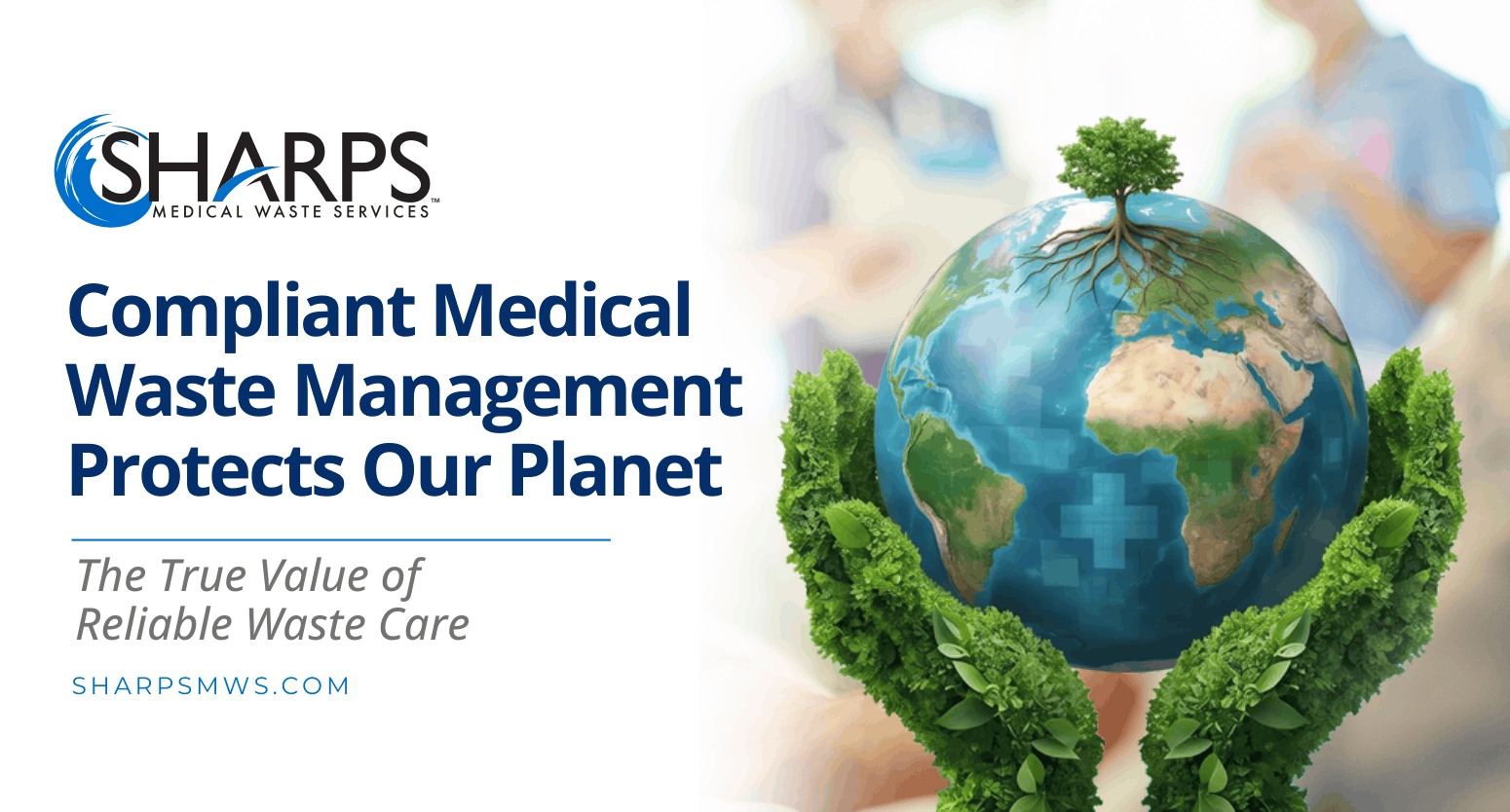
World Environment Day invites every industry to consider how its daily operations shape the world around us. This year’s theme, “Inspired by Nature. For Climate. For Our Future,” challenges organizations to look beyond broad sustainability commitments and focus on the systems that quietly influence environmental outcomes every day.
For healthcare, one of those systems is medical waste management.
Every year, hospitals, physician practices, laboratories, pharmacies, dental offices, and long-term care facilities generate billions of pounds of healthcare-related waste. Much of it is routine. Some of it is highly regulated. All of it requires thoughtful handling, transportation, treatment, and disposal.
When those systems function properly, they are largely invisible. When they fail, the consequences can be significant.
In the late 1980s, beaches along the Atlantic coast (particularly New Jersey and New York) became the center of a national
environmental crisis when syringes, medical debris, and other healthcare materials washed ashore. The incident disrupted local economies, costing the tourism industry billions, raised public health concerns, and ultimately contributed to the passage of the Medical Waste Tracking Act of 1988. The event served as a reminder that decisions made inside healthcare facilities can have consequences far beyond their walls.
Environmental concerns are not limited to visible waste. Improper disposal of pharmaceuticals and other regulated materials can introduce compounds into soil and waterways where they may affect ecosystems and wildlife. While wastewater treatment and environmental controls have improved significantly over time, responsible segregation and disposal remain critical safeguards against unnecessary environmental exposure.
The environmental conversation also extends to treatment methods themselves.
For decades, thousands of small on-site medical waste incinerators operated throughout the United States. Many lacked the technology needed to effectively control emissions, contributing to concerns surrounding air quality and public health. Recognizing this massive threat to air quality and public health, the EPA instituted strict Clean Air Act regulations in 1997. These regulatory changes accelerated the transition toward more advanced treatment technologies and significantly improved environmental performance across the industry.
Today, healthcare organizations have access to a wider range of waste treatment options, including autoclaving, pyrolysis, ozonation, thermal technologies, electrolysis, and other specialized processes. Many providers also use Waste-to-Energy (WTE) facilities and other sustainability-focused solutions to recover value from materials while reducing reliance on traditional disposal methods.
The challenges became particularly visible again during the COVID-19 pandemic. Global healthcare systems experienced an unprecedented surge in the use of personal protective equipment, testing materials, and sharps generation. In many regions, waste infrastructure was pushed to its limits. Improper segregation increased the risk of needlestick injuries among waste workers, exposing them to bloodborne pathogens like Hepatitis B, Hepatitis C, and HIV. Additional strain was placed on municipal waste systems that were never engineered to safely contain infectious biohazards.
These events illustrate an important reality: environmental stewardship in healthcare begins long before treatment or disposal. It starts with segregation.
These events illustrate an important reality: environmental stewardship in healthcare begins long before treatment or disposal. It starts with segregation.
Every correctly placed sharps container, every properly managed pharmaceutical, and every staff member trained to identify the appropriate waste stream contribute to a safer outcome for people and the environment alike.
This is one reason programs such as reusable sharps container systems, medication take-back initiatives, and mailback solutions continue to play an increasingly important role in healthcare sustainability efforts. By helping ensure materials are directed into the appropriate treatment pathways, these programs support both regulatory compliance and environmental responsibility.

At Sharps Medical Waste Services, we believe environmental stewardship and healthcare operations should work together. For more than 30 years, we have helped organizations safely manage sharps, regulated medical waste, pharmaceutical waste, pathological waste, and other specialized healthcare-generated materials through compliant, cost-effective solutions designed around the realities of patient care.
The most meaningful environmental successes rarely make headlines. They happen when the right materials reach the right treatment pathway, to safe, sustainable disposal, every time.
This World Environment Day, finding the right medical waste partner may be one of the most important sustainability commitments a healthcare organization can make.
—
Sharps Medical Waste Services (MWS) is a leading, U.S.-based partner for regulated medical waste management and compliance solutions, helping healthcare organizations safely manage, transport, treat, and dispose of regulated medical waste in compliance with federal, state, and local regulations. Through a commitment to safety, operational excellence, and customer partnership, Sharps MWS helps protect healthcare workers, patients, communities, and the environment while supporting the essential work of healthcare providers nationwide. For more information, please visit sharpsmws.com.
Media Inquiries
(281) 901-7619
[email protected]