
Some Popular searches:
Some Popular searches:
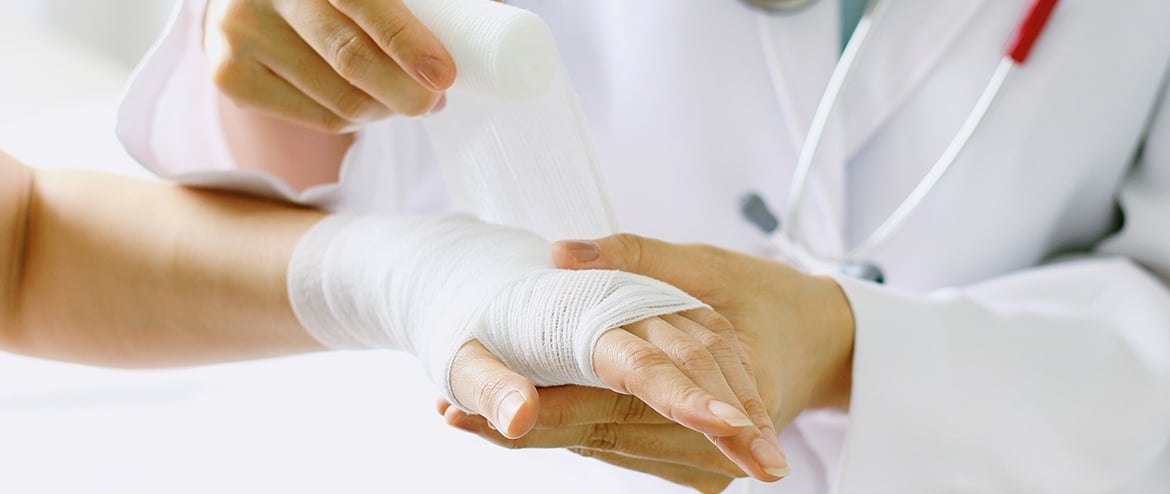
Urgent care clinics bridge the gap between emergency departments (ED) and primary care providers. They’re an alternative for patients who need immediate medical care for conditions that aren’t life-threatening. Patients may present with symptoms as diverse as sore throats, minor cuts and puncture wounds, broken bones, or serious conditions that require emergency transport to an ED.
Depending on their services, urgent care centers may generate regulated medical and pharmaceutical wastes. Sharps Compliance is a trusted partner to many urgent care providers nationwide. We provide a variety of medical waste mailback and pickup services customized to each clinic’s needs.
Urgent care clinics carry a variety of names:
Urgent care clinics are changing the healthcare landscape in the US, according to Insider Intelligence. Consumer expectations for healthcare access are changing, and urgent care centers can help fill the gaps.
“Consumer demand for hyper-convenient care has reached a fever pitch, especially among younger cohorts. Nearly one-quarter of Millenials haven’t visited a primary care physician (PCP) in five years or more, with about one-third saying that going to get a physical isn’t convenient, per a 2019 Harmony Healthcare IT survey. That’s why we’re seeing more younger patients opt for medical care as well as walk-in appointments for real-time needs such as covid testing.”
They provide walk-in treatment of acute injuries and illnesses that aren’t life-threatening but still require professional medical treatment within 24 hours. Because the clinics often offer extended hours outside the regular M-F/9-5 office hours provided by many primary care providers, urgent care clinics provide more immediate patient care. They can be more cost-effective, convenient alternatives to emergency room care.
The shortage of primary care physicians in the US is getting worse. A 2019 Association of American Medical Colleges report predicted a shortfall of between 21,100 and 55,200 primary care physicians by 2030. This shortage makes it harder for many Americans to access primary care, particularly in rural and other underserved areas.
Emergency departments have long acted as the nation’s health safety net. Even before the COVID-19 pandemic, ED overcrowding was a problem at many hospitals. It can result in worse patient outcomes and higher medical costs.
As the number of clinics increases (as well as the expanded services available), so does the need for affordable, regulatory-compliant medical waste disposal solutions for urgent care clinics. Sharps Compliance is here to help.
We offer mailback collection systems with everything urgent care clinics need to collect, package, and compliantly ship the waste for treatment.
We also offer route-based medical waste pickup services for urgent care clinics that generate more red bag waste, like rapid infectious disease testing materials and soiled wound dressings. We provide everything needed to package and label regulated medical wastes for transport. Our fully-permitted vehicles and treatment facilities comply with all state and federal regulations.
Many urgent care clinics may need to dispose of unused, recalled, or expired non-controlled and non-hazardous medications. Our MedSafe Basic is an affordable, easy-to-use disposal solution for the compliant treatment of unwanted and expired medications.
State medical waste regulations differ, and we can help urgent care centers comply with all applicable laws.
Call us at 800.772.5657 to learn more about our medical waste management and disposal solutions for urgent care clinics. We’re here to help you solve problems and comply with all regulatory requirements.