March 21, 2026 When Home Becomes the Hospital: The Safety Risks of At-Home Medical Care National Poison Prevention Week is a reminder that some of the most serious health hazards are in our living rooms, medicine cabinets, and kitchen cabinets. Maria didn’t think twice about it. Her father was managing diabetes at home, injecting insulin twice a day, just like the doctor ordered. When she helped him clear his nightstand one afternoon, she found a plastic water bottle stuffed with used needles. He’d been filling it for months. “It seemed safer than the trash,” he told her. It wasn’t. Stories like this play out in millions of homes across the country, quietly, without fanfare, and often without consequence. National Poison Prevention Week exists precisely for moments like this one: to shine a light on the risks hiding in plain sight, inside the spaces where we feel safest. The Living Room Is the New Clinic This shift is happening fast. The U.S. home healthcare services market was valued at over $100 billion in 2024 (Fortune Business Insights), and it continues to grow. Home health volumes are expected to increase by 22% by 2034 (Respiratory Therapy), driven by an aging population and a healthcare system that is actively pushing care out of hospitals. The home infusion therapy market alone now serves 3.2 million patients annually, with 60% preferring to receive treatment at home. (Business Wire) That’s millions of people managing complex medical needs; insulin injections, IV infusions, chemotherapy, in spaces designed for living, not for clinical care. The comfort is accommodating. But the risks that come with it are too real to ignore. The Needle in the Trash Bag Sharps: needles, lancets, syringes, auto-injectors, are now everyday items in many households. And every one of them, after a single use, becomes a potential hazard. The CDC estimates that 385,000 needlestick and sharps-related injuries occur among hospital-based healthcare personnel every year (Minnesota Department of Health). In hospitals, there are protocols, trained staff, and regulated disposal systems. At home, there’s often none of that. What there is, instead, is improvisation. Coffee cans. Laundry detergent jugs. The plastic bottle in Maria’s father’s room. These containers seem sturdy until a needle punctures the side, or a lid pops off in a trash bag, and suddenly, a sanitation worker or a curious child is facing a contaminated injury with no warning and no context. Transmission of at least 20 different pathogens, including hepatitis B, hepatitis C, and HIV, by needlestick and sharps injuries has been documented (PubMed Central). The injury doesn’t have to happen to the patient. It can happen to anyone who touches what the patient discarded. Proper sharps containers are engineered specifically to prevent this. They’re puncture-resistant, sealed, and clearly labeled, designed for one job: making sure a used needle is the last thing that hurts anyone. The Cleaning Product in the Wrong Bottle Sharps are one piece of the puzzle. The other sits beneath kitchen sinks and inside garages across the country. Household chemicals cause serious harm every year. Primarily because of obvious misuse, but also because of a surprisingly common shortcut: transferring them into unlabeled containers. A cleaning solution poured into an old soda bottle. A pesticide left in an unmarked cup on the counter. To the person who did it, the context is obvious. To a child reaching for a drink, or an elderly parent whose memory is fading, it isn’t. This is exactly the kind of preventable tragedy National Poison Prevention Week was created to address. The rule sounds simple, but it saves lives: keep all chemicals in their original, labeled containers — always. No exceptions for convenience. The Medicine Cabinet Is More Dangerous Than You Think When most people picture a poisoning risk, they imagine something industrial or something clearly dangerous. The reality is far more ordinary. In 2024, 55 U.S. poison centers handled nearly 2.1 million human poison exposures, roughly one every 15 seconds. Cleaning substances and pain medications top the list of the most common exposures in children (Poison). On average, approximately three children and adolescents ages 0–19 die from poisoning every single day in the United States (Children’s Safety Network). Most of these exposures happen at home, with medications or substances that families assumed were safe simply because they were familiar. For patients receiving complex treatments at home, the stakes are even higher. When a patient receives chemotherapy, traces of the drug remain present in bodily fluids for 48 to 72 hours after treatment. Acute exposure for caregivers can cause rash, nausea, vomiting, dizziness, and abdominal pain. Longer-term exposure has been associated with congenital disabilities and reproductive harm. Research has found contamination from chemotherapy drugs on toilet, bathroom, and kitchen surfaces inside patients’ homes and has documented measurable exposure risks for family members living in those spaces (ScienceDirect). The treatment designed to heal one person can quietly endanger everyone who shares their home. Turning Awareness into Action This is the heart of what National Poison Prevention Week asks of all of us, awareness and action. Most of these hazards are preventable, and prevention doesn’t require a medical degree. It requires the right habits and the right tools. Use certified sharps containers: never household trash, recycling bins, or improvised alternatives. When full, dispose of them through a compliant mail-back or collection program. Keep chemicals and medications in their original containers: labeled, sealed, and stored out of reach of children and anyone who might mistake them for something safe. Follow dosage instructions precisely: even for medications that feel routine. Over-the-counter drugs can cause serious harm when misused or combined with other medications. Handle chemotherapy waste carefully: wear gloves when managing bodily fluids or soiled laundry for 48–72 hours post-treatment, and use a purpose-built trace-chemo disposal system. Talk to your care team: patients receiving home treatment should ask about disposal protocols before leaving the clinic. Providers should make this a standard part of every discharge conversation. Safety Extends Beyond the Point of Treatment National Poison Prevention Week comes once a year. But the risks it highlights exist every day, in the sharps container that never got ordered, the cleaning product stored in the wrong bottle, the medication left where a grandchild can reach it. Sharps Medical Waste Services supports the safety of home-based care. Our solutions are built for real home environments, practical, compliant, and designed to make responsible disposal as easy as possible: Sharps Mailback System: compliant sharps disposal from home, no special trip required TakeAway Medication Recovery System Envelopes: safe, responsible medication disposal for residential use Pickup System for Trace Chemo: purpose-built disposal for chemotherapy-related waste, protecting families and caregivers from hidden exposure The home should be a place of healing. Keeping it that way takes good intentions, the right knowledge, habits, and the right tools. Explore our home disposal solutions and make safety part of your care routine. — About Sharps Medical Waste Services Sharps Medical Waste Services (MWS) is a leading, U.S.-based provider of regulated medical waste management and compliance solutions, serving healthcare facilities, pharmacies, laboratories, and businesses nationwide. The company is committed to protecting public health through safe, compliant, and reliable waste handling services, supported by rigorous regulatory standards, operational excellence, and a customer-focused service model. For more information, please visit www.sharpsmws.com. Media Inquiries (281) 901-7619 [email protected] Read More
February 11, 2026 Beyond the Burn: Why Safe Wound Care Waste Management Matters Burn injuries remain a serious and costly challenge across the U.S. healthcare system. According to the American Burn Association, tens of thousands of patients require burn-related medical treatment each year, with many injuries occurring in homes, workplaces, and long-term care environments. Many burn injuries are preventable through education, environmental controls, and safer practices. What receives far less attention is what happens after a burn injury occurs. Once treatment begins, healthcare teams generate a high volume of contaminated waste, including used dressings, gauze, gloves, irrigation materials, and sharps, which introduces a second layer of risk. If that waste is not handled correctly, it can expose staff, patients, and the environment to preventable harm and regulatory noncompliance. Burn Care Start With Treatment Burn care is complex. Even minor burns often require frequent dressing changes, debridement, and pain management. More severe burns can involve surgical intervention, injectable medications, and prolonged wound care. Each of these steps generates regulated medical waste that must be managed carefully. Common burn mechanisms include scalds from hot liquids or steam, thermal burns from fire or hot surfaces, chemical burns from cleaning agents or industrial products, and electrical burns. Because burn wounds compromise the skin’s protective barrier, the risk of infection increases significantly. Peer-reviewed research published in Clinical Microbiology Reviews highlights the elevated infection risk associated with burn wounds due to tissue damage and immune response challenges. When contaminated materials are not segregated, contained, or disposed of properly, that infection risk extends beyond the patient to staff and the care environment. The Risks Associated with Improper Disposal of Burn Wound Waste Burn-related waste frequently includes: Blood- or exudate-saturated dressings and gauze Used gloves and PPE Needles, syringes, and lancets Disposable instruments and irrigation supplies Under OSHA’s Bloodborne Pathogens Standard (29 CFR 1910.1030), materials contaminated with blood or other potentially infectious materials (OPIM) must be handled as regulated waste. This regulation establishes requirements for engineering controls, sharps containers, labeling, employee training, and exposure control plans. Improper disposal can lead to: Needlestick and sharps injuries Cross-contamination between patients or care areas Environmental exposure during transport or storage Regulatory citations and corrective action plans The World Health Organization’s Safe Management of Wastes from Health-Care Activities emphasizes that healthcare waste mismanagement increases occupational injury and infection risk, particularly for environmental services teams and other frontline workers responsible for handling waste after clinical care is complete. Understanding the Regulatory Landscape Burn wound waste management is governed by multiple overlapping regulatory authorities: OSHA The Occupational Safety and Health Administration (OSHA) requires healthcare employers to protect workers from exposure to bloodborne pathogens through engineering controls, proper containerization, labeling, PPE, and documented training programs. DOT The U.S. Department of Transportation (DOT) Hazardous Materials Regulations (49 CFR Parts 171–180) govern how regulated medical waste is packaged, labeled, and transported off-site. This includes requirements for packaging integrity, marking, and shipping papers. EPA The Environmental Protection Agency (EPA) provides federal oversight under the Resource Conservation and Recovery Act (RCRA), while treatment and disposal requirements are largely managed at the state level. Because definitions and treatment standards vary by state, healthcare facilities must verify compliance with their specific jurisdiction. Facilities are responsible for compliance at every stage, from the point of generation through final treatment and disposal. While regulations establish minimum requirements, many healthcare organizations adopt additional best practices to further reduce risk. Strengthening Burn Wound Waste Safety in Healthcare Settings Healthcare facilities can reduce compliance and safety risk by focusing on a few foundational practices: Segregation at the point of use: Sharps should be placed immediately into puncture-resistant sharps containers that meet OSHA requirements. Saturated dressings and other regulated medical waste should be disposed of in properly labeled biohazard containers. Sharps safety: Burn care often involves injectable medications and debridement tools. Positioning approved sharps containers at the bedside reduces unnecessary handling and lowers injury risk. PPE and environmental controls: Gloves, gowns, face protection, and proper surface disinfection align with the Centers for Disease Control and Prevention (CDC)’s infection prevention guidance and OSHA requirements. Cleanable surfaces and controlled storage areas further reduce environmental exposure. Waste minimization with intention: The WHO encourages healthcare facilities to minimize unnecessary waste generation, provided that safety and single-use item restrictions are not compromised. Training and documentation: The OSHA Bloodborne Pathogens Standard requires annual training for employees with occupational exposure risk. Consistent training ensures clinical staff, EVS teams, and temporary workers understand their role in safe waste handling. Clear documentation supports compliance during inspections and internal audits. The Association of periOperative Registered Nurses reinforces that waste management is a shared responsibility across clinical and support teams. The Value of an Integrated Waste Partner Managing burn wound waste across hospitals, urgent care centers, ambulatory surgery centers, and long-term care facilities requires consistency, documentation, and oversight. A qualified medical waste partner can help standardize container placement, improve traceability, and support regulatory documentation efforts. However, regulatory responsibility always remains with the healthcare facility. Sharps Medical Waste Services supports healthcare organizations with: Regulated medical waste and sharps management Pathological, chemotherapy, hazardous, and universal waste services DEA-compliant medication disposal (21 CFR Part 1317) Reusable sharps container programs Digital tracking tools for documentation and audits Compliance support and waste assessments While no partner replaces a facility’s regulatory responsibility, the right support structure can reduce operational burden and risk. Burn Recovery Requires Safe Waste Management Preventing burn injuries remains a critical public health priority. But once an injury occurs, safe recovery depends on more than clinical skill alone. It depends on how effectively healthcare organizations manage the waste generated during treatment. For healthcare leaders, infection preventionists, EVS teams, and administrators, burn wound waste management represents an opportunity to strengthen safety culture, protect staff, and maintain regulatory compliance. Clinical excellence and operational safety are deeply connected. Healthcare organizations that address the full lifecycle of burn care, from prevention through regulated disposal, are better positioned to protect people, maintain compliance, and operate with confidence. — About Sharps Medical Waste Services Sharps Medical Waste Services (MWS) is a leading, U.S.-based provider of regulated medical waste management and compliance solutions, serving healthcare facilities, pharmacies, laboratories, and businesses nationwide. The company is committed to protecting public health through safe, compliant, and reliable waste handling services, supported by rigorous regulatory standards, operational excellence, and a customer-focused service model. For more information, please visit sharpsmws.com. Media Inquiries (281) 901-7619 [email protected] Read More
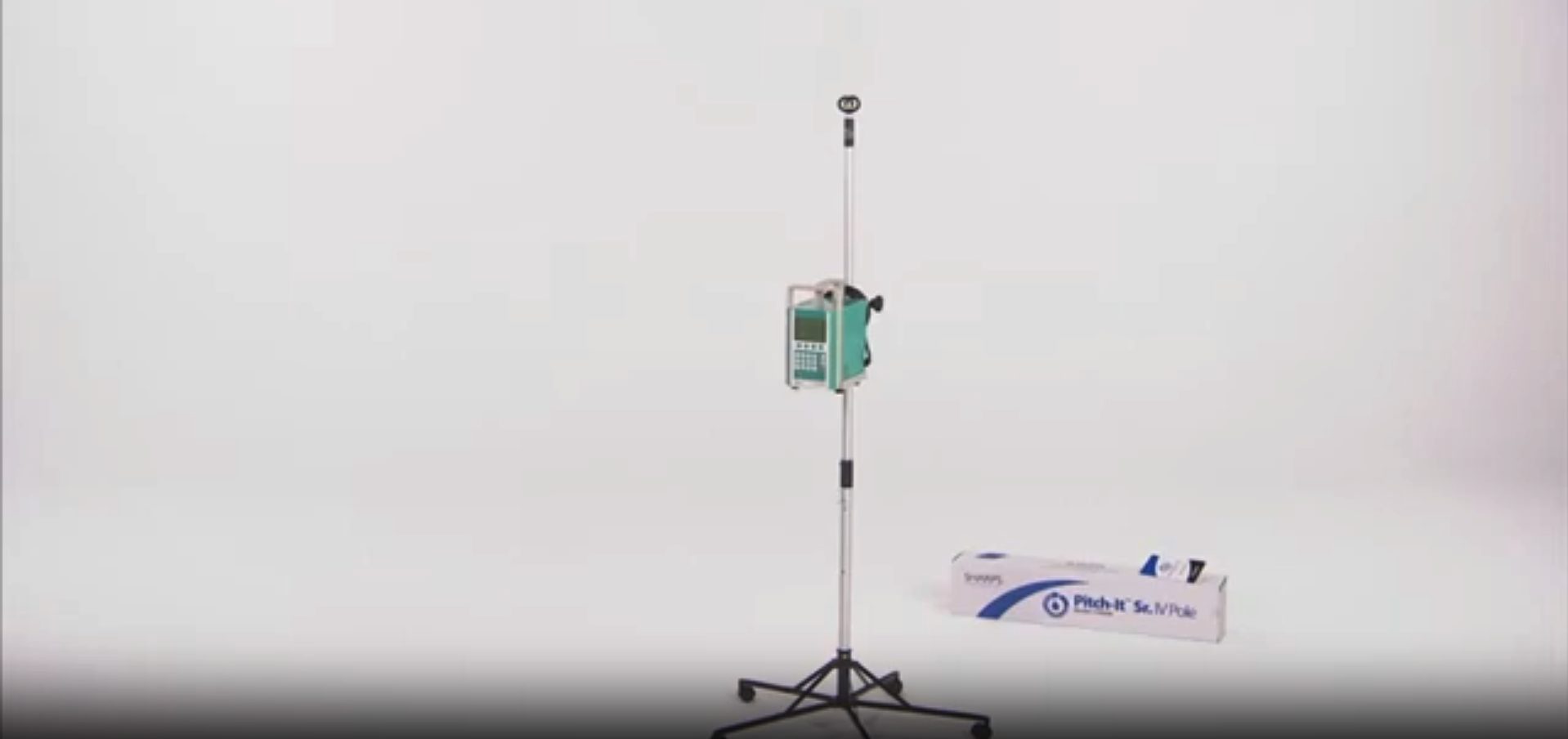
March 20, 2025 Pitch-it IV Poles This video provides a complete guide for the Pitch-It™ recyclable IV poles. Learn step-by-step setup and breakdown for both the wheeled senior and floor models. It covers weight limits, pump mounting, and recycling instructions to streamline home infusion and clinical workflows effectively. Watch Now
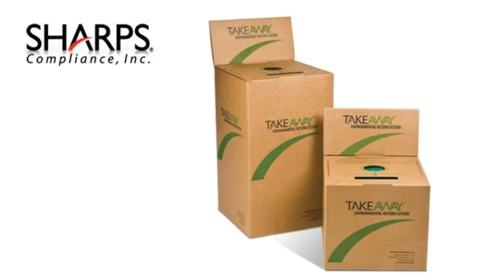
March 9, 2025 TakeAway Enviromental Return Boxes Learn how to manage large-capacity disposal of non-controlled, non-hazardous medications with our “Fill, Seal, and Send” process. This video covers proper container assembly, liquid handling requirements, and using the prepaid return shipping to ensure safe, compliant pharmaceutical destruction. Watch Now
March 9, 2025 TakeAway Medication Recovery Envelopes This video outlines the easy “Place, Seal, and Send” process for the TakeAway Medication Recovery System. Learn how to safely dispose of unused or expired controlled and non-controlled medications using these serialized, prepaid envelopes, ensuring DEA-compliant destruction while protecting your home and environment. Watch Now