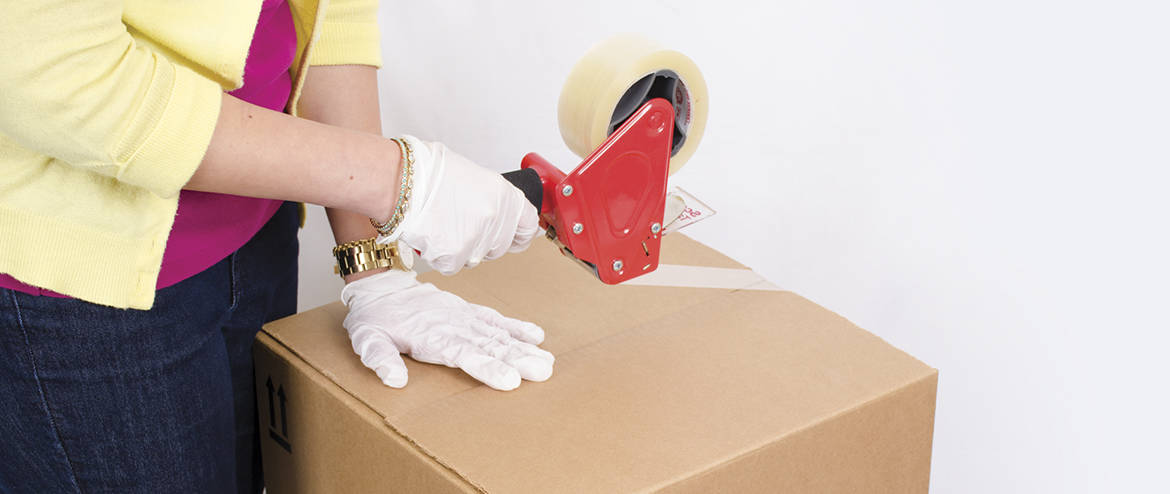
June 17, 2020 Who is Maintaining Your Medical Waste? Last updated on May 7, 2021 This is an update of the article originally published on August 6, 2014. Regulations change frequently. That’s why Sharps Compliance monitors updates and communicates any changes to its customers. “I don’t have time to close up and label the medical waste box – so the medical waste transport driver does it.” This statement is often uttered by busy employees responsible for managing their facility’s medical waste. However, the US Department of Transportation (DOT) and other regulatory bodies place the onus of responsibility for preparing and packaging medical waste on the generator of the waste, not the transporter. The DOT and individual states regulate transport and labeling of waste managed by a pickup service. Since the facility that generates this waste is responsible for the proper packaging, the DOT requires anyone who “prepares medical waste for transport” to be trained in the proper procedure. Training must be documented and repeated every three years. In addition, states can require training as well. When mailing medical waste, instructions are included with each mailback system, which can be used for training on proper packaging. DOT does not regulate mailback packages and therefore, does not require the training mandated by DOT. However, since the person packaging the waste is still responsible for properly doing so, it is important to train the employee using the mailback instructions. When signing the manifest tracking form that must follow the waste from “cradle to grave,” the person signing the form declares that the contents have been classified, packaged, marked, and labeled according to applicable government regulations. This is true for both pickup service and mailback. That person declares that the shipment does not include hazardous materials, such as mercury or hazardous drugs. For this reason, only employees of the generator can close or and package the transport or shipping box and sign the manifest tracking form. If your organization is using a pickup service, follow the driver’s instructions, which typically include the following: Build out the box, making sure the box bottom is taped well, and all closure and/or locking mechanisms are engaged and taped closed. Place liner in the box. Close sharps containers and tie up red bags before placing into lined box or container. Securely tie closed liner around containers/bags. Close the box flaps and secure with packing tape or secure the lid and closures. Place label(s) as required by state regulations, including the label provided by the medical waste company. Sign manifest tracking form (keep generator copy). Provide box/container to pickup driver. Access proof of treatment. If you are using a mailback system, written instructions are included with each system. Instructions include the following: Retain plastic-lined mailback box to ship container(s) back for treatment. Close sharps containers and tie up red bags prior to placing into lined box/container. Absorbent is already included in liner and/or each sharps container. Securely seal liner around filled container(s) using provided twist or zip tie. Close the numbered box flaps and place provided tape over closure tab(s). Write the facility return address on the top of the box. No additional labeling is required. Complete and sign manifest tracking form (keep generator copy). Provide to mail carrier. Access proof of treatment. Don’t get caught out of compliance! Our ComplianceTrac tool helps offices build plans and policies to address these issues. Read More
March 18, 2020 The Do’s and Don’ts of Medical Waste Packaging Last updated on March 20, 2020 This is an update of the article originally published on June 1, 2016. Regulations change frequently. That’s why Sharps Compliance monitors updates and communicates any changes to its customers. Just when you thought that your waste was packaged properly, you learn that your state has laws that differ from federal regulations. Did you know that states have the authority to add additional rules to many federal regulations? It’s important to follow local, state, and federal requirements when packaging and labeling your waste. Here are a few simple steps that you can follow to lessen the potential environmental, safety, and financial risks associated with improper packaging of your medical waste. As a “generator,” the person producing the waste, you are accountable for the proper classification, segregation, packaging, and sealing for transportation of your waste and subject to fines and penalties for any defaults. So, what are the best options for learning proper packaging of medical waste in your state? First, you must identify which wastes are classified as regulated medical waste. Each state has a specific definition, very similar to OSHA’s definition included in the Bloodborne Pathogens Standard. According to OSHA, regulated medical waste includes: Sharps Liquid or semi-liquid blood or other potentially infectious materials (OPIM1 ) Contaminated items that would release blood or OPIM in a liquid or semi-liquid state if compressed Items that are caked with dried blood or OPIM and are capable of releasing these materials during handling Pathological and microbiological wastes containing blood or OPIM Next, you must properly package your waste for transport, according to the Federal Department of Transportation (DOT), as well as any specific state or local regulations. For example, some states require identification on the box if waste must be incinerated. Others may require generator identification on red bags and sharps containers. Others have time limits for the storage of your waste. Feel free to discuss these requirements with your service provider or check your specific state requirements here. Sharps Compliance customers gain access to our Regulatory Hub, which goes into even more detail about state regulations. After setting up your transport box, place the provided red-bag liner inside the transport box, which is now ready for you to contain your full, sealed sharps containers and individually tied red bags. Loose sharps and free liquids are never allowed in the transport box. If you have large volumes of liquid waste to dispose of, please contact Sharps Compliance Customer Service at 800.772.5657 for the best disposal options. As a reminder, please note that the following items should not be placed in the medical waste transport box: Items contaminated with urine, feces, sputum, tears, sweat, nasal excretions – unless those items are affixed with protected health information Regular trash All of these items can be placed into the regular trash. If you place them in a medical waste transport box, then you are paying up to 10 times the amount to dispose of this waste as you would if placed them into the regular trash where they belong. The items below MUST NOT be placed into the medical waste transport box. Contact Sharps Compliance at 800.772.5657 for the proper disposal systems for these materials. Hazardous and chemical waste Loose sharps Compressed gas cylinders Radiographic and amalgam waste Medication Free liquids Once the transport box is full or otherwise ready to be sealed2 , the red-bag liner must be closed by gathering and twisting the neck into a single knot or by using a twist tie. Next, fold the box flaps closed (they must lay flat on top of the box), and tape closed, making sure that the red bag is not visible. Keep in mind that if the box is damaged or not packaged correctly, then the driver will not be able to pick up the box at that time, and you will have to schedule a new pickup once the box has been packaged and sealed properly. Apply the supplied barcode label to the exterior of the box on the indicated location and have the appropriate person sign the tracking form. The person who signs the tracking form should be knowledgeable about what is contained in the box and that it has been properly packaged and sealed. Keep your copy for the state-required length of time. All Sharps Compliance customers can access their proof of destruction and run needed reports at https://www.sharpsinc.com/sharps-tracer. Click here to download our Medical Waste Packaging poster. [1] OPIM (Other Potentially Infectious Materials): (a) The following human body fluids: semen, vaginal secretions, cerebrospinal fluid, synovial fluid, pleural fluid, pericardial fluid, peritoneal fluid, amniotic fluid, saliva in dental procedures, any body fluid that is visibly contaminated with blood, and all body fluids in situations where it is difficult or impossible to differentiate between body fluids; (b) Any unfixed tissue or organ (other than intact skin) from a human (living or dead); and (c) HIV-containing cell or tissue cultures, organ cultures, and HIV- or HBV-containing culture medium or other solutions; and blood, organs, or other tissues from experimental animals infected with HIV or HBV. [2] States differ regarding storage times for different waste streams. For a list of each state’s storage time limitations, call 800.772.5657 or check with your state’s environmental department website. Read More
March 13, 2019 Six Essential Services a Regulated Medical Waste Disposal Provider Should Provide Regulated medical waste (RMW) disposal companies help medical waste generators manage all aspects of medical waste handling and disposal, including cradle-to-grave tracking. They may also assist with documentation management, regulatory compliance, internal compliance audits, OSHA-required training, and sustainability. Does your current RMW disposal company provide all this – and more? Sharps Compliance does. 1. Monitor State and Federal Medical Waste Disposal Regulations With over 20 years of experience in the field of biohazardous waste disposal, Sharps’ medical waste management experts can develop a customized program for your organization. We comply with federal, state, and local regulations regarding the processing, containment, labeling, storage, transportation, treatment, and disposal of regulated medical waste. 2. Online, Real-Time Tracking of RMW Shipments Sharps offers two waste transportation options: mailback disposal systems and medical waste pickup service for higher volume waste generators. All mailback disposal systems include the required manifest/tracking documents and have unique serial numbers for tracking. Waste pickup service customers receive the same regulatory compliance services that comply with DOT standards, waste treatment, and documentation We ensure cradle-to-grave compliance and real-time visibility through our SharpsTracer system, an online tracking/manifesting system that eliminates the need for paper documentation. With SharpsTracer, customers have 24/7 access to their manifests and can verify the weights, return dates, and proof of destruction for all shipments handled by Sharps Compliance. 3. Safety & Compliance Training for Your Staff Sharps Compliance offers its customers ComplianceTrac, our online OSHA compliance management system, complete with OSHA-required trainings, such as bloodborne pathogen standards, fire safety, and electrical safety. ComplianceTrac also offers modules that satisfy the federal training requirements for HIPAA, DOT packaging and shipping requirements for regulated medical waste, and Medicare. ComplianceTrac is available 24/7, so your staff can choose the most convenient training times. In addition, employers have access to pre-developed OSHA safety plans and internal compliance audits. We offer tools that help you create a safer, more compliant workplace – and control costs. Educate employees about needlestick injuries and how to avoid them. These types of injuries can cause lost time on the job, increase medical costs, and hurt employee morale Manage disposal costs through proper segregation of wastes using our provided waste segregation posters containing information based on OSHA and your own organization’s guidelines. Decrease the chance of regulatory fines and penalties through staff training and increased understanding of compliance requirements. 4. Help You Comply with State and Federal Regulations Regulatory inspectors rarely call ahead. You must always be prepared for an inspection, maintain the proper paperwork, and follow state and federal requirements. Our online regulatory database called “The Hub” can help. The Hub is a repository of federal, state, and local regulations. It’s updated on an as-needed basis as well as reviewed annually. We review all regulatory and legal documents and changes. When necessary, we also speak directly with each state’s waste disposal experts and regulators to clarify regulations and help customers comply. As previously mentioned, customers can use ComplianceTrac to conduct internal test audits and evaluate their organization’s compliance. The report highlights any areas found to be “not in compliance” and offers the option to assign corrective actions to specific individuals or departments. Learn more about how ComplianceTrac can help your organization be ready for OSHA inspections. 5. Dedicated Customer Service All Sharps Compliance national accounts have an assigned, dedicated account manager who is available 24/7. All customers have access to our trained Customer Support team, which is available Monday through Friday to provide answers quickly and accurately. Reach them by phone, fax, or online chat from 7 a.m. to 7 p.m. Central Time. 6. Environmentally-Responsible Solutions Sharps Compliance strives to be a zero landfill company. We pioneered and patented a waste conversion process that repurposes medical waste, including used sharps. We avoid the hazards of landfill disposal by treating wastes and turning them into new resources, such as electricity. Our company is committed to the environmentally responsible treatment of medical and pharmaceutical waste. We incinerate all pharmaceutical waste sent to us for treatment, in accordance with DEA recommendations. To date, we’ve used our network of MedSafe pharmaceutical collection kiosks to safely dispose of a million pounds of unwanted pharmaceuticals, helping to keep potentially dangerous drugs out of our communities and landfills. The TakeAway Recycle System allows healthcare facilities to divert certain single-use medical devices (SUD) from the landfill. Waste generators use the collection containers to store and transport SUDs for recycling. This cost-effective, environmentally-friendly solution helps reduce the waste stream and eliminate SUD reprocessing costs. Contact us to learn more about how we can help your facility safely and effectively manage your medical waste management and disposal needs. Read More