August 18, 2021 DUMP Opioids Act Will Increase Community Options for Safe Opioid Disposal On July 29, 2021, President Biden signed the Dispose Unused Medications and Prescription (DUMP) Opioids Act into law. Beginning in 2022, it will give community residents access to medication disposal collection receptacles, including Sharps Compliance’s MedSafe kiosks, located at certain VA medical centers. Instead of waiting for semi-annual Drug Take Back Day events, this additional disposal option will help unused/unwanted opioids and other harmful medications from being misused or diverted into the environment. The COVID Pandemic Affected Addiction Treatment and Overdose Rates in 2020 During the pandemic lockdowns, patients with Opioid Use Disorder (OUD) faced many problems, including difficulty accessing treatment, isolation, and financial worries. In addition, the economic downturn forced some states to cut budgets for drug treatment and education programs. The consequences were heartbreaking. Overdose deaths soared in 2020, with a nationwide increase of almost 30%, with some states experiencing increases of at least 40% over 2019. “This is the highest number of overdose deaths ever recorded in a 12-month period, and the largest increase since at least 1999,” Dr. Nora Volkow, director of the National Institute on Drug Abuse, told NPR. DUMP Opioids Act: “A smart way to save lives.“ Even before the pandemic, officials were concerned about rising OUD rates among veterans. Between 2010 and 2016, opioid overdose death rates among veterans increased by 65%. Two recent federal laws aim to make safe drug disposal easier for veterans and others. The Johnny Isakson and David P. Roe, M.D. Veterans Health Care and Benefits Improvement Act of 2020, became law in January 2021. One provision (Section 3009) directs “certain Department of Veterans Affairs medical facilities to have physical location for the disposal of controlled substances medications.” It takes effect on January 1, 2022. The Dispose Unused Medications and Prescription Opioids Actamends Section 3009 of the previous bill. It expands the law to give community residents access to medication disposal kiosks at covered VA medical facilities. It also authorizes the VA Secretary to implement public information campaigns about available facilities and drop-off dates/times. The DUMP Opioids Act’s Senate sponsor, John Kennedy of Louisiana, expressed hope that his bill will help families and communities keep opioid painkillers out of the wrong hands: “Many opioid users rely on unused prescription medications that belong to family and friends, and Americans can help fight opioid addiction simply by clearing out their medicine cabinets. We can reduce access to addictive and dangerous substances by making it easy for every American to get rid of unused medicine at drop boxes that sit on VA medical centers. The DUMP Opioids Act is a smart way to save lives, and you don’t have to wait until Take Back Day.” Federal agencies recommend take-back options as the preferred method for disposing of opioids and other medications to protect the public and the environment. Sharps Compliance ContinuesOur Public/Private Partnership with the VA Sharps Compliance began working with the Department of Veterans Affairs in 2010 when the VA launched a 5-year pilot program to provide disposal options for medical waste and unused dispensed medications generated outside healthcare settings: The pilot, initiated in collaboration with the Houston-based Sharps Compliance Corp., allows each medical center in the VA Capitol Health Care Network (VISN 5) region, both inpatient and outpatient, to provide the Sharps Disposal By Mail System and the RxTakeAway solutions to patients. After a successful trial period, the VA expanded the program nationwide in 2015 to supply Takeaway Medication Recovery System Envelopes to VA healthcare facilities as part of the VA’s Consolidated Mail Outpatient Program. Ultimate users can use the envelopes to dispose of both controlled and non-controlled medication waste right from the privacy of their own homes. All mailback systems are pre-addressed and affixed with prepaid postage. The partnership is ongoing. The VA Center for Medication Safety prescription safety page includes information about how veterans can Receive postage-paid TakeAway Medication Recovery System Envelopes at no charge Dispose of medications in MedSafe medication disposal receptacles located at certain VA healthcare facilities Passage of the DUMP Opioids Act will make it easier for communities with participating VA medical facilities to safely dispose of unused medications, including controlled substances, while also protecting their families, communities, and the environment. Read More
July 21, 2021 Safe Opioid Storage & Disposal Helps Protect Kids & Pets from Accidental Poisoning In 2019, an estimated 9.7 million people misused prescription painkillers, and 70.6 % of drug overdose deaths involved opioids. Not all of those deaths were the result of intentional misuse. Prescription opioids and opioid use disorder treatment medications kept in the home pose a danger to children and pets if they aren’t stored in secure containers and disposed of safely. Learn more about how to protect your family members (including the furry ones) from accidental medication poisoning. Dogs Are Also Victims of the Opioid Crisis Although most pet owners consider their companion animals to be full-fledged family members, some people with substance abuse problems are willing to abuse their own pets to obtain opioid prescriptions from veterinarians. Fortunately, only a tiny minority of pet owners use or abuse their animals to gain access to opioids! Yet, even the most loving families may accidentally put their pets at risk. In 2020, the journal Plos One published a study that analyzed calls to the ASPCA’s poison control hotline for pets between 2006 and 2014. Researchers found 5,162 cases of accidental pet opioid poisonings during that time. In general, smaller, younger dogs were most likely to be the subject of the calls. Other common human medications, including over-the-counter painkillers, heart medications, antidepressants, and other drugs, are also dangerous for dogs. Cats are especially sensitive to acetaminophen but can also be poisoned by cold medicines, antidepressants, and other human medications. It’s important to keep any type of medication in secure containers where pets can’t access them. Dogs are notorious for digging through garbage cans, so avoid disposing of household medications in regular trash containers. According to the FDA, securely locking, storing, and disposing of unwanted opioids should be a priority for pet owners. Proper disposal also helps protect the environment. Opioid Poisoning Cases of Young Children Are Increasing In 2018, the journal Pediatrics published a study of “Trends in Pediatric Deaths from Prescription and Illicit Opioids.” It highlighted an often-overlooked aspect of the national opioid crisis. Unsecured opioid medications pose a danger to children in the home – particularly young children and teens. “Across the United States, nearly 5000 children younger than 6 years are evaluated annually in emergency departments for opioid exposures. In addition, hospitalizations for opioid poisonings increased nearly 2-fold across all pediatric age groups between 1997 and 2012. Rates more than doubled among children aged 1 to 4 years, and in adolescents aged 15 to 19 years, poisonings attributed to suicidal and unintentional intent increased 2- and 3-fold, respectively.” Dr. Megan Land of Emory University in Atlanta presented a study to the 2020 Society of Critical Care Medicine congress. The result showed that opioid poisonings in children are becoming more deadly. In an interview, Land noted that the most common causes were “standard opiate pills likely to be in medicine cabinets, such as oxycodone, codeine, and tramadol. These are medications that someone might get for a sprained ankle or [after] surgery.” Small children spend a lot of time on the floor and at play. They’re particularly curious about unfamiliar objects and try to put everything in their mouths. That tendency can be deadly. Thirteen-month-old Edwin Perocier Jr. died after his parents gave him a pill bottle containing Suboxone tablets to use as a rattle. Edwin managed to open the bottle and ingest one or more tablets. Nine-month-old Maisie Gillan died after she and her parents visited the home of a neighboring family. The previous week, a visiting relative had dropped a single Methadone tablet on the floor. Maisie found it while crawling and swallowed it. Tips to Keep Kids and Pets Safe from Medication Poisoning Both of these examples were terrible accidents that ended in tragedy. Fortunately, there are ways to make medication safety part of your child- and pet-proofing plan. Store medications out of sight and out of reach. A locked box or cabinet is safest for medications always kept in the home. Wall hooks for purses keep the contents out of reach of curious babies and toddlers. Avoid storing medicines in purses, nightstands, kitchen or bathroom counters, and other accessible locations. Keep medications in their original packaging. Many people find the blister packs containing pills hard, even frustrating, to open. But that’s an important safety feature! They’re difficult for children and pets to open. Never call medicine “candy” or treat pill bottles as toys. Children’s vitamins are designed to be both tasty and visually appealing, but thousands of children are treated in emergency rooms each year because of supplement overdose. Safely dispose of unused/unwanted medications. If you don’t need it, don’t keep it around! Many people keep unused opioids “just in case” they may need them later, but leftover pills contribute to misuse. They may be stolen, misused by friends or family members, or consumed by curious children or pets. Federal agencies recommend take-back options as the preferred method for opioid disposal. These options include: Semi-annual drug take-back events sponsored by local governments and community organizations. Secure medication collection receptacles located at pharmacies and law enforcement offices. TakeAway Medication Recovery System envelopes are the most convenient solution for many people. Simply place your unused/unwanted medications in the postage-paid envelope and send it to Sharps Compliance for safe, compliant disposal. Medications within their entire packaging can be placed directly in the envelope. You don’t have to store them at home while waiting for a special drug take-back event or travel to a drop-off location. Suspect Poisoning? Get Help Quickly If you think your child may have been poisoned by medication or any other toxic substance, call the Poison Control Center at 1.800.222.1222. If you suspect your pet has been poisoned, call the ASPCA’s Animal Poison Control Center at 1.888.426.4435. Sharps Compliance works with health care providers, state and federal regulators, and community organizations to educate the public about the importance of safe medication disposal. We also provide disposal options for community collection and in-home medication disposal. Our pharmaceutical waste disposal solutions help you keep your family and community safe from accidental poisoning and drug diversion. Contact us by email or call 1.800.772.5267 to learn more. Read More
May 6, 2020 Opioid Painkillers After Oral Surgery May Put Teens at Risk for Later Opioid Abuse Most parents worry about their teens getting access to drugs at school or in social settings – not at the dentist. However, the American Dental Association and private insurers have expressed concerns about the widespread practice of prescribing opioid painkillers to teens after oral surgeries. The patients who filled those opioid prescriptions were nearly three times as likely to use opioids in the year after the prescription. Teens Are at Risk for Substance Abuse During the past decade, opioid addiction rates exploded across the country and created an ongoing public health crisis. Centers for Disease Control (CDC) statistics show the rate of drug overdose was four times higher in 2018 compared to 1999. In 2018, almost 70% of drug overdose deaths involved an opioid. Public health professionals have become concerned about the intersection between legitimate opioid prescriptions for teens and later opioid use and addiction. The American Academy of Pediatrics Journal addressed the issue of teen opioid use in 2015: “Legitimate opioid use before high school graduation is independently associated with a 33% increase in the risk of future opioid misuse after high school. This association is concentrated among individuals who have little to no history of drug use and, as well, strong disapproval of illegal drug use at baseline.” During adolescence, teen brains are still developing. That makes them particularly susceptible to a drug’s effect on the reward pathways in the brain. Parents and prescribers need to be alert to common risk factors for teen substance abuse. Wisdom Teeth Extraction Can Lead to Opioid Misuse Insurers and dental professionals are looking closely at “best practice” pain management strategies for children and teens. A2015 study of private insurance patients age 16-25 found 13% of participants had received at least one opioid prescription, and dentists wrote 30% of them. Within the next year, 5.8% of those patients were diagnosed with opioid abuse. In 2019, Delta Dental reported: Compared to their peers around the world, teens in the United States are much more likely to be prescribed opioids after wisdom tooth extraction. Many American teens leave their dentist’s office with a prescription for hydrocodone, also known as Vicodin or Norco. Almost all of this drug’s supply worldwide — 99% — is prescribed and used in the U.S. United Healthcare (UHC) launched an initiative to “limit teens’ exposure and inform dentists, patients, and parents about opioid medications.” The company’s public education efforts include radio and TV public service announcements and a public toolkit. The toolkit includes a downloadable dental opioid flyer and checklist and other educational materials. UHC implemented a new in-network pharmacy policy that “limits all first-time opioid prescriptions for people age 19 and under to no more than three days and fewer than 50 morphine milligram equivalents per day, as recommended by the Centers for Disease Control and Prevention (CDC).” The company also created an outreach program to dentists who have a pattern of “prescribing opioids outside of CDC guidelines.” Questions to Ask the Dentist about Pain Relief The National Institute on Drug Abuse for Teens has a list of suggested questions to discuss with your dentist before filling a prescription for opioids: Ask if there’s an option other than prescription opioids to treat your pain. Some non-opioid medicines might offer the best balance between benefits and risks. Tell the dentist about any substance use disorders or addiction in your family. This will help the dentist decide if opioids are safe for you. Talk about your medical history and any medications you’re taking. It might not be safe to take opioids with some other medicines. The vast majority of medical professionals are happy to discuss options with patients. They realize that patient education about opioids helps prevent misuse and encourages safe disposal of unused/unwanted opioid prescriptions. Always Safely Store and Dispose of Opioids Two=thirds of teens who report misusing prescription pain medications got them from friends, acquaintances, or family members. Many people have extra: a 2017 meta-analysis found up to 92% of people don’t finish their prescription painkillers, and fewer than 10% safely dispose of the leftovers. Three-quarters of patients fail to keep opioids in a locked cabinet. Safe disposal of unused/unwanted medication is just as important as safe storage. Consider the community and environmental effects before flushing medication or throwing it away with household trash. This infographic highlights the dangers of improper disposal of medication and pharmaceutical wastes. Households and professionals alike share a responsibility to protect America’s teens from indiscriminate access to opioid painkillers. Ensuring residual medications are properly disposed means those same medications no longer pose a threat to our vulnerable youth. As part of their patient education efforts, we encourage dentists to discuss safe disposal options for unused/unwanted opioid medications. For example: Provide information about nearby MedSafe medication collection receptacles in nearby pharmacies or other public locations. Offer the patient a TakeAway Medication Recovery System envelope along with the prescription. Provide the dates of semi-annual Prescription Drug Takeback Day events – if the local community participates. In addition to offering safe, convenient pharmaceutical disposal solutions to generators and ultimate users, Sharps Compliance also helps dental offices comply with other waste disposal regulations regarding dental carpules, amalgam recycling, and more. Read More
February 27, 2019 Veterinarians, Pet Medications, and the Opioid Crisis Last updated on April 13, 2021 Ninety-five percent of pet owners say they consider pets a part of the family, but there’s a darker side to some of those families. Sadly, as in so many human families, drug addiction is breaking the bonds of affection and trust. Veterinarians have reported cases where opioid addiction is leading pet owners to steal their pets’ medications or even injure their pets in an effort to get pain meds prescribed. As a result, many veterinarians unexpectedly find themselves involved in a human epidemic – the opioid crisis. According to the CDC, 46 people die every day from prescription opioid overdoses, and pet medications play a role. Abusers Look to Pet Medications as an “Easier” Source for Drugs In 2017, Blue Cross Blue Shield analyzed the claims of over 30 million people and found that diagnoses of opioid-use disorder had increased by almost 500% in just 7 years. The study also found that prescription strength and duration affected the chance of opioid-use disorder. As evidence mounted that over-prescribing opioids was contributing to increasing rates of addiction and death, many states imposed restrictions on physicians and pharmacists. When that happened, it became more difficult to get and fill opioid prescriptions for humans. That made pet medications an attractive alternative for some abusers. In 2018, an editorial in the American Journal of Public Health cited a survey of Colorado veterinarians and urged the profession to accept that they “have a dog in the fight” against opioid abuse. “Key findings include the following: 13% of surveyed veterinarians were aware that an animal owner had intentionally made an animal ill, injured an animal, or made an animal seem ill or injured to obtain opioid medications; 44% were aware of opioid abuse or misuse by either a client or a veterinary practice staff member; and 12% were aware of veterinary staff opioid abuse and diversion.” One of the more shocking aspects of pet medication abuse is how far people will go to obtain the medications. A woman in Kentucky cut her golden retriever with a razor and took him to the same vet three times for pain meds. The doctor became suspicious because the cuts “looked like clean cuts instead of the jaggedness that you might see in most animal injuries,” and the woman asked for a medication by name. An Ohio man taught his dog to cough on cue in an effort to obtain hydrocodone prescriptions. A Connecticut man was charged with animal cruelty, illegally obtaining drugs, and “doctor shopping” after he took two injured dogs to multiple vets to obtain pain pills for himself. The problem has become so prevalent that government agencies and professional organizations are working to educate veterinarians about the dangers to their patients and the community. FDA Warnings and State Regulations In 2018, the Food and Drug Administration (FDA) warned veterinarians about possible misuse of pet medications and offered information resource links and advice to doctors who “stock and administer opioids.” Follow all state regulations. Use alternatives when possible. Educate pet owners on proper storage and disposal. Know what to do in case of overdose. Have a safety plan and learn the signs of opioid abuse. In response to the epidemic, many states have implemented reporting and prescription control regulations for opioids prescribed to humans. Increasingly, the FDA noted, states are regulating veterinarians as well. “According to the American Veterinary Medical Association, fifteen states and the District of Columbia currently have regulations requiring veterinarians to report when they dispense opioids and other controlled substances to patients: Alaska, Arkansas, California, Connecticut, Illinois, Indiana, Michigan, New Hampshire, New York, North Dakota, Oklahoma, South Carolina, Vermont, Washington state, and West Virginia. Thirty-four states, however, exempt veterinarians from Prescription Drug Monitoring Programs. Not only are states changing reporting requirements, some are also setting limits on the number of pills that can be prescribed at one time and some are even limiting the duration of a patient’s treatment with opioids. States such as Colorado and Maine require veterinarians to look at a pet owner’s past medication history before dispensing opioids or writing an opioid prescription.” The requirement to check a pet owner’s medication history is a source of controversy among veterinarians. There’s a cost concern, but many doctors also cite the ethical issues involved with checking the medical history of a non-patient. Dr. Amanda Bison, legislative chair of the Maine Veterinary Medical Association explained: “We are not allowed to treat humans and therefore should not have anything to do with their medical information.” How Veterinary Practices Can Respond to Opioid Abuse While state veterinary associations and state regulators work to develop effective laws and regulations, individual veterinary practices should be proactive. Control access inside the clinic. Drugs must be inaccessible to non-authorized personnel. Employees may steal them to sell or use themselves. Vet clinics have also been targeted by burglars looking for drugs. Be alert to signs of staff drug abuse. Warning signs include mood swings, mental confusion, frequent mistakes, and absenteeism. Learn to recognize client warning signs. These include asking for a particular drug by name, requesting early refills, and avoiding bringing the animal in for a physical exam. Review AVMA resources. The AVMA offers charts, white papers, and printable educational materials to help doctors understand reporting requirements, educate their staff, and prevent drug diversion. It’s also important to educate staff and patients about safe medication disposal options. Many people don’t understand the dangers of improper disposal of medical and pharmaceutical wastes. Drugs stored at home or thrown out in household garbage may be retrieved and misused. Medications flushed down the drain or dumped in landfills can also cause both physical and environmental harm. Sharps Compliance offers DEA-compliant, safe drug disposal solutions for clinics and end-users. These offer immediate disposal of unwanted/unused medications and eliminate the need to wait for a community Drug Take Back Day event. TakeAway Medication Recovery Systems are designed for clinics and ultimate users. They meet the DEA rules for controlled substance disposal by ultimate users. MedSafe Medication Disposal System kiosks can be found in many retail pharmacies and other health care facilities. The North Dakota Board of Pharmacy partnered with Sharps in 2017 to place MedSafe kiosks in retail pharmacies throughout the state. Learn more about Sharps Compliance’s affordable, DEA-compliant medication disposal solutions. Read More
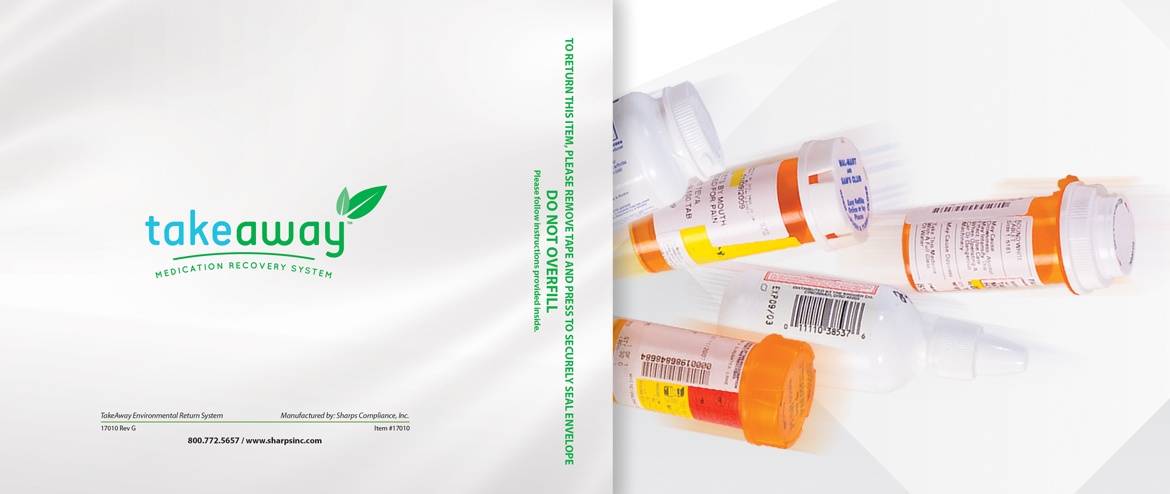
December 1, 2015 Preventing Prescription Drug Abuse at Home Last updated on May 6, 2019 Prescription drug abuse is a growing epidemic in the United States. Opioids, depressants and stimulants are the most abused medications. According to the Los Angeles Times_x007f_, the leading cause of death from unintentional injuries in the U.S. is drug-related poisonings, which has surpassed automobile accidents. Between 1999 and 2006, deaths from drug poisoning have almost doubled. The first step towards preventing drug abuse is proper medication disposal. In recent years, prescription drug abuse has increased because prescription drugs are more readily available. Drugs are prescribed more often due to “patient advocacy groups, the development of new formulations of opiate analgesics to meet this demand, and increased marketing of opiates by pharmaceutical companies.” Vicodin is one of the most prescribed medicines in all drug categories. Even though doctors prescribe prescription pain medications, that does not mean that they are “safe.” If pain medications are not taken as instructed, they can lead to dependence and possibly heroin use. One out of every fifteen people who use non-medical prescription pain relievers will try heroin within ten years. Heroin is generally easier and less expensive to obtain. Unused or expired medicine that is not properly disposed of puts people at risk. Sharps has supplied solutions for ultimate user medication disposal since 2009, beginning with the TakeAway Environmental Return System Envelopes. Our solutions have safely removed hundreds of thousands of pounds of unused medications from users’ homes. For pharmacies and drug stores wanting to provide a solution to their customers for disposing of unused medications, Sharps Compliance offers TakeAway Medication Recovery System Envelopes. These prepaid, tamper-evident envelopes allow comingled collection and disposal of controlled (Schedules II-IV) and non-controlled medications. This DEA-compliant service is easy to use. Once envelopes are filled with medications, users seal the envelopes and mail them back with a prepaid USPS label for proper, DEA-preferred destruction. These envelopes are available in a few different options: 25 envelopes in a counter display or 12 individually-wrapped envelopes with or without a counter display. This product drives foot traffic to retail pharmacies and offers pharmacists an opportunity to discuss medications with their customers, improving business. Read More
July 28, 2015 Part 2: Preventing Prescription Drug Abuse Last updated on May 6, 2019 In our last blog post, we explored how prescription drug abuse has become an epidemic in the United States. This week we will discuss how to prevent prescription drug abuse and what to do with any unused medications. Many opioid abusers get the prescription drugs from friends or relatives for free, according to a study by JAMA Internal Medicine. Other sources include getting a prescription from one or more doctors, stealing or buying prescription drugs from friends or family and buying prescription drugs from drug dealers.1 It’s important to store your medicines safely around your house in order to prevent drug abuse. Below are some tips for protecting your friends and family, courtesy of the Alliance for Balanced Pain Management: Note how many pills are in each bottle, pay attention to your refills and follow instructions regarding the correct doses. Only take your medications, no one else’s. Store your medicines in a safe place that only you know about. Keep them out of sight and out of reach. Discuss with your family and friends everything you’ve learned about storing and discarding medicines.2 Another important step in preventing prescription drug abuse is to dispose of your unused medicines properly. Many communities host drug take back events, in which you can drop off any unused medications. Check with your city government to see if such an event is available. You may also mix pills with cat litter or coffee grounds to make them undesirable. Then put the mixture in a disposable container with a lid or sealable bag and throw it in the trash.3 Some pharmacies have collection receptacles (e.g., MedSafe) in which you can dispose of controlled and non-controlled medications. Also you may purchase mailback envelopes. You may put any unused medications in these preaddressed, prepaid envelopes and drop them at your nearest mailbox or post office. Sharps Compliance offers a version called the TakeAway Medication Recovery System Envelope. With prescription drug abuse on the rise, it’s imperative that you do everything you can to safely store and dispose of any unused medications. 1 Sources of Prescription Opioid Pain Relievers by Frequency of Past-Year Nonmedical Use 2 Are You the Only One Taking Your Medicine? 3 How to Dispose of Medicines Properly Read More