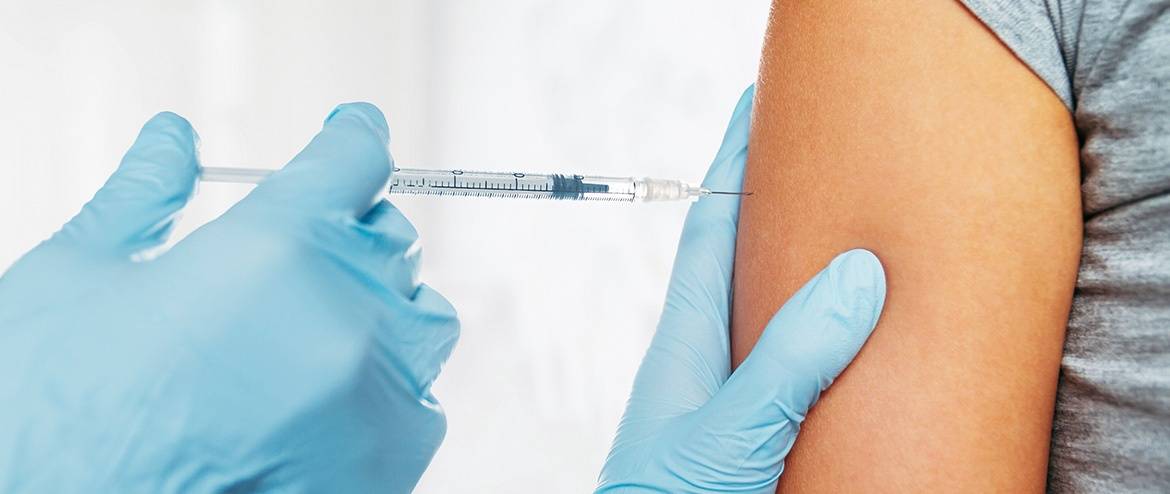
May 16, 2018 Retail Pharmacies Implementing Safe Sharps Disposal Programs As Vaccination Rates Rise Last updated on January 24, 2019 In the United States, approximately 50,000 adults die each year from vaccine-preventable diseases. The immunization shortfall has multiple causes, but health experts agree that leveraging “non-traditional sites of vaccination delivery” can help overcome barriers to care. Retail pharmacies play an important role in this effort. Between 2007 and 2013, the number of vaccinations dispensed by community pharmacies rose from 3.2 million to 20.9 million. There’s room to grow: by November of 2017, only 38.5% of adults 18 and older had received a flu vaccine. The 2017/2018 flu season was the worst in a decade, which may encourage many people to get their flu shots early this year. Each injection produces sharps waste: syringes and often medication vials that must be safely collected, stored, transported, and treated. Pharmacies need to be ready to handle an influx of new patients – and the resulting challenge of safely managing their sharps waste. Safe Sharps Waste Disposal With the increased demand for immunizations, tests, and other services at community pharmacies, the resulting increased volume of sharps waste may catch some pharmacists off-guard. All pharmacies that administer vaccines or medical tests should take steps to protect both staff and patients from the risk of needlesticks. For example, sharps safety training for employees must be provided annually and among other topics, should include the following: Evaluation and use of syringes and other sharps with safety features Selection of FDA-approved sharps containers placed as close as possible to the point of use Methods to prevent over-filled sharps containers Safe handling, packaging, and transport of sharps containers The National Institute for Occupational Safety and Health published a guideline for “Preventing Needlestick Injuries in Health Care Settings.” It notes that healthcare workers can help protect themselves and coworkers by disposing of used needles “promptly in appropriate sharps disposal containers.” Sharps Disposal Options for Retail Pharmacies Sharps Compliance offers mailback sharps disposal systems in multiple sizes and packaging configurations. For a retail pharmacy, mailback disposal systems provide both flexibility and affordability as the systems are only returned once full. This prevents the pharmacy from paying for partially filled transport boxes. Once the sharps container is filled, it is packaged in the prepaid shipping box according to included instructions and mailed. During the height of flu season, we recommend pharmacies keep at least two sharps mailback systems on hand so that when the first is shipped, the second can be ready for use. Sharps Compliance Mailback Containers: Convenient and Compliant Our UPS and USPS-authorized sharps disposal mailback systems are uniquely serialized for cradle-to-grave tracking and are compliant with local, state, and federal regulations. Disposal systems are available individually or in cost-saving multipacks in sizes ranging from one quart to three gallons. The sharps mailback systems include A primary sharps collection container All necessary packaging components for regulatory-compliant mailing Prepaid shipping box for easy return Waste manifest tracking form Full instructions for use Treatment and online documentation of treated waste Learn more about how our mailback systems work to safely manage your sharps disposal needs Contact us to learn more about how we help retail pharmacies comply with existing regulations and safely dispose of their sharps and other regulated wastes. Read More
September 21, 2015 Waste Management Solutions for Vaccinations Last updated on January 15, 2019 Vaccines can prevent many life threatening diseases. Pharmacists, nurse practitioners and physician assistants can administer immunizations in many places, including local pharmacies and retail clinics. Vaccines are generally very safe and can help eradicate some diseases. For instance, polio once caused paralysis and even death. Due to the administration of the injectable polio vaccine, there are now no reports of confirmed polio in the United States. Getting immunized has gotten easier as pharmacies offer various immunizations, which are administered by trained healthcare providers. Physicians are the most recognized healthcare provider, but pharmacists in all 50 states can immunize patients. A few states have regulations regarding the vaccine type and patient’s age. The convenience and extended hours of the pharmacy make immunizations at pharmacies very beneficial. With the expansion of retail clinics, also known as convenience care clinics, consumers have even more options for places to get immunized. In an article published in 2015, Kalorama Information reported that out of the 2,000 US adults surveyed, approximately 700 had visited a retail clinic. 74% of these people visited clinics to get vaccinated. Nurse practitioners and physician assistants, who have been thoroughly trained in vaccine administration, staff the clinics. In addition to administering vaccinations, healthcare providers must consider how they will dispose of all the needles and syringes used for vaccinations. Sharps Compliance offers mailback systems in various sizes that are ideal for pharmacies and retail clinics in need of a cost-effective and regulatory-compliant disposal solution for sharps and other small quantities of medical waste. Once the containers are filled, they are packaged in the prepaid return shipping box. The mailback box can be handed to the postal carrier or dropped off at the local post office, or a USPS priority pickup may be scheduled online. All of Sharps Compliance’s customers receive access to SharpsTracer, an online portal for tracking and proof of treatment of returned systems, available 24/7. Sharps Compliance also offers route-based pickup services if needed. Sharps will customize services to fit each customer’s medical waste needs. Read More
September 3, 2015 Protect Yourself against Influenza Last updated on October 30, 2019 Flu season is upon us, and it’s important to know how to protect yourself. Influenza, more commonly referred to as the flu, is an acute viral infection caused by an influenza virus. Common symptoms include muscle and joint pain, high fever, sore throat and runny nose. The flu affects between 5 and 20 percent of Americans each year. Approximately 200,000 people are hospitalized due to flu-related symptoms, and anywhere from 3,000 to 49,000 people die each year from flu-related causes. The most effective way to prevent the flu is to get the flu vaccine. About two weeks after receiving the vaccine, antibodies begin to develop. These antibodies protect against infection by the viruses contained in the vaccine. According to the Centers for Disease Control and Prevention (CDC), “Everyone 6 months and older is recommended for annual flu vaccination with rare exception.” People at high risk, such as those with heart conditions, diabetes and asthma, as well as pregnant women and people over the age of 65 need to get their annual flu shot to potentially avoid getting seriously ill from complications of influenza You can get the vaccine at pharmacies, retail clinics or doctor offices. With over 60,000 pharmacies in the United States, the convenience of getting your flu shot by your trusted pharmacist is invaluable. Pharmacists are trained extensively on administering vaccines, including flu vaccines, so this is a great way to get protected. Also, the number of retail clinics, which are staffed mostly by physician assistants and/or nurse practitioners, has grown dramatically. These healthcare professionals are trained to administer vaccines, providing another safe and convenient route for getting protected against vaccine-preventable diseases like the flu. While no vaccine is 100% effective against the disease that it is designed to protect, the influenza vaccine is matched with the anticipated flu strains each year with the intention of providing maximum protection. Neighbors who get the vaccine but say they still got the flu or the media who states that the vaccine is not effective in a given year are not the experts. The best course of action, if in doubt, is to contact your healthcare provider or read the flu-related information on the CDC website. Read More
October 14, 2014 Is It the Flu? Last updated on February 8, 2018 Flu? Ebola? Enterovirus 68? The fall of 2014 is presenting unique challenges to Americans everywhere as people try to determine if they have a cold, the flu, or even the first symptoms of Ebola. Scheduling time to discuss this with a health_x007f_care professional will help to determine what exactly a person is at risk for, what prevention methods are recommended, diagnosis of the disease based on symptoms, what treatment to use, and even development of a plan to keep you, friends, and family healthy. The Centers for Disease Control and Prevention (CDC) recommends that everyone six months of age and older get an annual flu shot1. People at high-risk, such as those with heart conditions, diabetes, and asthma, as well as pregnant women and people over the age of 65 need to get their annual flu shot to potentially avoid getting seriously ill from complications of influenza. For more information on the flu vaccine, click here. Symptoms of influenza can include, but are not limited to, fever, cough, sore throat, runny or stuffy nose, muscle or body aches, vomiting (mostly in children), and headaches. This fall, people may be confused about what they actually have because, with Ebola in every headline, the symptoms are so similar to symptoms of influenza: fever, severe headache, muscle pain, weakness, diarrhea, vomiting, and stomach pain. When adding Enterovirus D68 (EV-D68) into the mix, the confusion deepens since the symptoms of this virus are like flu and Ebola to some extent: fever, runny nose, sneezing, cough, and body and muscle aches. Flu can be spread through the air and also through touching surfaces that house the influenza virus. Like influenza, EV-D68 is also spread through the air so prevention is key for both. While getting a flu shot each year is the best prevention against having the flu according to the CDC2, there are other things that can be done to lessen both flu and EV-D68, such as staying away from sick people, staying home if sick, and washing hands often with soap and water. Linens, eating utensils, and dishes belonging to those who are sick should not be shared without washing thoroughly first. Frequently touched surfaces should be cleaned and disinfected at home, work, and school, especially if someone is ill. Transmission of the Ebola virus is very different from both influenza and EV-D68. However, in addition to having similar initial symptoms, some prevention methods are very similar in that people should wash their hands with soap and water or use an alcohol-based hand sanitizer. So what is a person to do? Talk with your healthcare professional! See your doctor, pharmacist, nurse practitioner, physician assistant, or other healthcare professionals for the facts. Flu shots are offered at many retail pharmacies and retail clinics as well as through your physician. For a quick reference, take the vaccine quiz by clicking here to see what vaccines are necessary to keep you, friends, and family healthier each fall and year round. Resources 1 Key Facts about Influenza (Flu) & Flu Vaccine. (2014, September 9). Centers for Disease Control and Prevention 2 What You Should Know for the 2014-2015 Influenza Season Read More