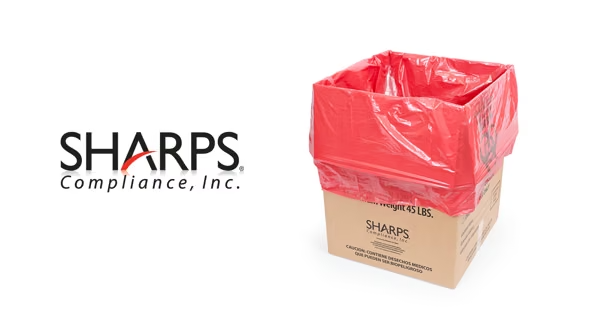
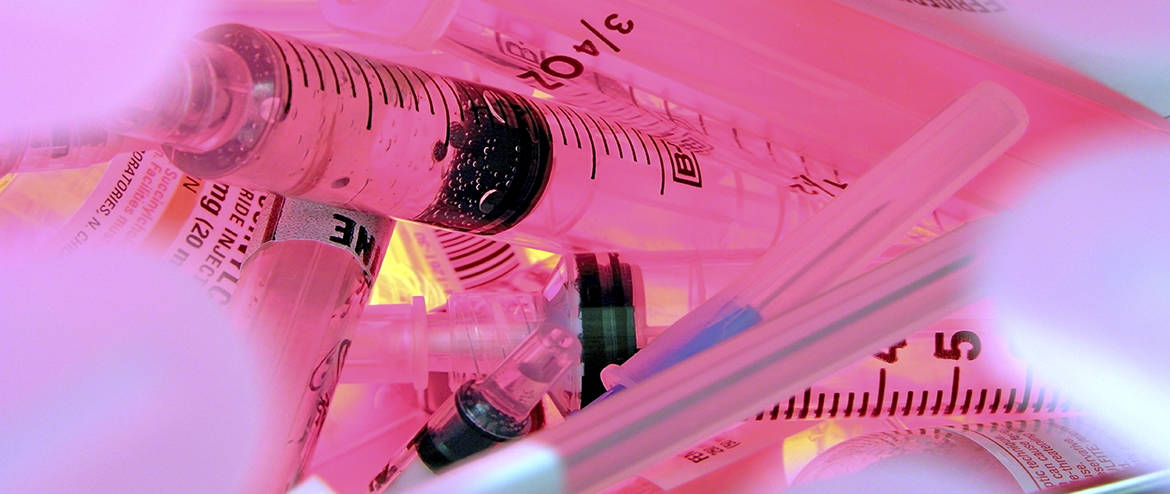
February 20, 2025 Medical Waste Pickup Boxes Review how to correctly prep and seal medical waste pickup boxes for compliant transport. The demonstration illustrates how to shroud the container with the provided red bag, safely deposit materials like sharps containers, and tie the liner before taping the box shut. Watch Now
September 28, 2022 Hazardous Waste in the Solid Waste? Retailers & Smaller Companies May Face Fines & Penalties Retailers face many challenges: staff retention, rising prices, product shortages, transportation delays, and more. When you’re racing to get new hires trained on basic tasks – how to stock shelves and run the register – who has time to worry about what they’re throwing in the dumpsters? Every store manager and corporate compliance department should worry. Improper disposal of regulated wastes can expose sanitation workers to dangerous substances and harm both water quality and wildlife. State and local regulators take these issues seriously – retailers should too. Many Retailers Make Disposal Mistakes – and Pay the Price Improper waste segregation isn’t a new problem. Many large retailers have faced substantial fines when employees mixed hazardous and universal wastes with regular trash. For example: In 2013, a large big box retailer of general merchandise and groceries paid $81.6 million in fines after employees in California and Missouri stores improperly disposed of “fertilizer, pesticides and other hazardous products” by placing these hazardous materials in regular trash dumpsters or pouring them into the sewer. In 2020, another specialty retailer paid California a $1.4 million settlement after “electronic items and hazardous waste, including lithium batteries and a small can of lighter fluid” mixed with regular trash ignited a fire at a local waste handling facility. A few months later, another fire started in a dumpster behind a store in Oxnard, CA. “Investigators inspected the waste and again and discovered numerous items of regulated waste, including batteries, broken compact fluorescent bulbs and various discarded electronic devices.” In 2021, California officials filed a statewide lawsuit against a large big box retailer alleging that the company “illegally dumped nearly 160,000 pounds of hazardous waste, or more than 1 million items, each year in California over the last six years.” In 2020, a large pharmacy agreed to settle allegations after California prosecutors accused the company of “unlawfully [disposing] of hazardous waste in violation of state laws and injunctive terms from a 2012 stipulated judgment.” Smaller companies are also at risk if they don’t follow state and federal regulations regarding the classification, storage, and disposal of hazardous wastes. In 2021, a North Carolina e-waste recycler pled guilty after being charged with violating EPA regulations regarding the proper storage of hazardous waste. In 2022, the Oregon Department of Environmental Quality fined an Albany painting and construction company $17,200 for illegally disposing of hazardous waste on the company’s property and failing to make “hazardous waste determinations on wastes generated” by the business. Employee Training on Proper Waste Segregation and Disposal Is Critical No business wants to contaminate the local community with hazardous wastes or expose workers to potential harm. Still, it does happen – often because many employees aren’t adequately trained on waste identification, segregation, and disposal. Retailers deal with a wide variety of products, many of which don’t seem hazardous to laypeople, so employee training is critical. According to the Retail Compliance Center: “Many household products sold in retail grocery stores may need to be handled as hazardous or universal waste when returned, expired, recalled, or damaged. Hazardous waste items can be found in several product categories, including aerosol sprays, hair dyes, detergents, cosmetics, fragrances and perfumes, and cleaners. Universal waste items defined by the federal regulations include certain types of batteries, light bulbs, mercury-containing devices (e.g., thermometers), certain recalled or unused pesticides, and aerosol cans. Universal waste regulations can vary from state to state, and some states may allow additional wastes to be handled as universal wastes, such as electronics. ” High employee turnover further complicates compliance because stores constantly have to train new employees. According to the Bureau of Labor Statistics, retail turnover in the retail trade was 64.6% in 2021. In particular retail segments, it’s much higher. In 2021, convenience stores experienced a 119% turnover rate for full-time employees and 182% turnover for part-time workers. Sharps Compliance Is a Hazardous Waste Disposal Partner You Can Depend On Hazardous and universal waste disposal is subject to multiple state, local, and federal regulations. Federal and state hazardous waste classifications may differ, with state laws being more stringent. What’s more, regulations change frequently, and it’s hard to wade through the bureaucratic language to understand what you need to do to comply. Who has time to keep up with all this? Sharps Compliance does. We provide the tools you need to comply with regulations regarding required employee training as well as the storage, labeling, transportation, and treatment of many different regulated wastes Visit our knowledge base of hazardous waste articles and guides to learn more about hazardous waste classification, RCRA guidelines, and other topics. Whether you manage a nationwide retailer, a statewide chain, or a local business, Sharps Compliance can help you protect your employees, community, and the environment while complying with applicable regulations. Contact us at 800.772.5657 for more information, or visit our customer center for more information or customer support. Read More
June 29, 2022 Can You Tell the Difference Between Hazardous and Biohazardous Waste? Hazardous and biohazardous wastes can potentially harm human, animal, and environmental health and wellbeing. These two types of wastes differ in composition, origin, dangers, and disposal methods. Waste generators need to understand the difference between biohazardous and hazardous wastes to protect the staff and the public, comply with all applicable regulations, and avoid fines and penalties. Hazardous Waste Examples Hazardous waste is any waste that contains dangerous chemicals, including heavy metals, flammable liquids, corrosive material, and other contaminants that can directly harm living creatures and the environment. Per the EPA, “hazardous waste may come in many forms, including liquids, solids, gases, and sludges.” Healthcare facilities and veterinary clinics may generate small quantities of hazardous wastes and hazardous wastes pharmaceuticals (HWP). The vast majority of hazardous waste is generated from large quantity generators in the industrial sector, including semiconductors, automobiles, and allied chemical industries. Common hazardous waste streams in healthcare include: Flammable liquid mixtures Hazardous Waste Pharmaceuticals, including warfarin/coumadin, insulin, and medical aerosols/inhalers X-ray Process Waste (fixer/developer solutions, film, and lead aprons) Some pharmaceuticals (including their containers) must be managed as hazardous waste. Visit the EPA website for more information about P-list, U-list, or characteristic wastes that must be handled according to guidelines for HWP. Note that these drugs are not the same as the hazardous drug list maintained by the CDC’s National Institute for Occupational Safety and Health (NIOSH). Learn more about the difference between hazardous drugs and hazardous waste pharmaceuticals. Households can also generate hazardous waste. Our infographic lists items you should never put in your household trash, and the accompanying article discusses safe disposal options. Biohazardous Waste Examples Biohazardous waste is medical waste that has the potential to spread disease or pathogens to humans. It’s usually generated at healthcare facilities, including hospitals, dental offices, veterinary clinics, and laboratories, but tattoo studios, medspas, and funeral homes also generate biohazardous regulated medical wastes (RMW). Biohazardous medical waste types include: Sharps waste (needles, scalpels, etc.) Pathological and anatomical waste Microbiological waste Blood, blood products, and other potentially infectious materials (OPIM) Zoonotic waste Contaminated items that would release blood or blood products or OPIM in a liquid or semi-liquid state if compressed Isolation waste Households and individuals also generate biohazardous waste – mostly used sharps. This waste can be a danger to others when improperly disposed of in recycling bins, regular trash, or in public places. Technically, there is no material difference between the terms biohazardous waste and regulated medical waste, but regulatory terminology varies by state: “For example, Arizona state regulations refer to the disposal and management of “biohazardous medical waste” instead of the more commonly used term “regulated medical waste.” In contrast, Mississippi uses the terms “infectious medical waste” and “medical waste” to differentiate between potentially infectious RMW and non-infectious medical waste.” Hazardous Waste and Biohazardous Waste Disposal Federal and state agencies strictly regulate both hazardous and biohazardous waste disposal. Hazardous waste is defined at the federal level by the Resource Conservation and Recovery Act (RCRA). The EPA maintains a list of applicable RCRA hazardous waste regulations. Federal agencies, such as the EPA, OSHA, and DOT, have regulations regarding hazardous and biohazardous medical waste handling, storage, transportation, and treatment. For example: EPA “has jurisdiction over medical waste treatment technologies, which claim to reduce the infectiousness of the waste using chemicals.” DOT “regulates the transportation of wastes it deems capable of posing an unreasonable risk to safety, health, and property when transported.” It does this through mandatory employee training as well as requirements for waste classification, packaging, and paperwork. OSHA medical waste regulations focus on workplace safety issues, such as needlestick prevention, red bag waste classification and management, and employee safety training. However, most regulation is at the state and local level. State medical waste regulations differ, and states are free to impose stricter regulations than federal requirements. Some state hazardous waste classifications are more stringent than federal requirements. Generators must be aware of their state requirements and hazardous waste generator category to ensure that they follow all storage and reporting requirements. Mistakes cost money: a non-conforming hazardous waste stream sent to a treatment facility may incur extra costs for remediation, or worse, be rejected and returned to the generator. Do You Need Help Managing Your Hazardous and Medical Wastes? Sharps Compliance can help answer your questions about your RCRA generator status and other waste disposal issues, including state and federal regulations, employee training, cradle-to-grave waste tracking, and more. We offer comprehensive solutions for managing biohazardous regulated medical waste, unused pharmaceuticals, and hazardous waste. Contact us at 800.772.5857 or request a service quote online. Read More
December 1, 2021 System Development of the Hazardous Waste e-Manifest System Hazardous waste generators get invoiced for an “EPA Electronic Manifest Program Fee.” Why? What is this fee used for? Let’s see if we can answer that for you. The EPA regulates all types of hazardous waste (HW) generated in healthcare, from spent solvent (such as alcohols and ketones) and pharmaceuticals to diagnostic testing procedure residuals. Much of the HW that these businesses generate must be shipped long distances to treatment, storage, and disposal facilities (TSDFs) where it can be properly disposed of or recycled. Hazardous waste must be tracked throughout its entire life cycle (cradle-to-grave) so that the EPA and other regulatory authorities can determine its origin and destination and know it was properly managed. Following waste from start to finish reduces the risk of fines from improper dumping and harmful environmental consequences. What Is the EPA e-Manifest? On June 30, 2018, the EPA launched a national system for tracking hazardous waste shipments electronically. This system, known as the “e-Manifest system,” modernizes the nation’s cradle-to-grave hazardous waste tracking process while saving valuable time, resources, and dollars for industry and states. The EPA established e-Manifest per the Hazardous Waste Electronic Manifest Establishment Act, which Congress enacted into law on October 5, 2012. e-Manifest is a multi-faceted program that includes the following: System development Regulation and policy Implementation and communication Consultation with the e-Manifest federal advisory committee The e-Manifest system offers generators, transporters, and receiving facilities a digital one-stop shop for manifest tracking and recordkeeping to meet their regulatory requirements. Receiving facilities upload manifest copies at the end of their lifecycle, and generators can log in to view their completed manifest copies. Hazardous Waste Paper Manifests The EPA set June 30, 2021 as the deadline to ensure all TSDFs report manifest information to RCRAInfo (the program which hosts e-Manifests) electronically. Now, the EPA will no longer accept paper manifest submissions from TSDFs, but paper manifests may still be used from the HW generator location for shipments to the TSDF. Paper manifests are still used for over-the-road shipments because the larger HW service providers have not yet aligned their software tracking systems to the EPA’s digital architecture. It is all still a work in progress, funded by the e-Manifest program fees. Improving the e-Manifest System The EPA is committed to ensuring that the e-Manifest system must meet its users’ needs. To accomplish this goal, they are: Conducting user-centered design Developing and utilizing agile software development methodologies This approach enables continuous improvement through pilots and testing, using iterative processes, and regular engagement with users and stakeholders throughout the process. The EPA will continue to provide ongoing opportunities for input until a full-scale system is complete and thoroughly tested by all entities. e-Manifest Fees: Who’s Paying for This Program? The development of this program is costly to the EPA, so money is collected to defray these costs. The EPA publishes user fees by July 1 of each odd-numbered calendar year on their website. These published user fees will then cover the two fiscal years beginning on October 1 and ending on September 30 of the next odd-numbered calendar year. These fees are updated to reflect actual program costs and manifest usage. The user fee is charged to receiving waste facilities (TSDFs) for each manifest they submit to the EPA. Generators, transporters, and brokers are not directly charged. Thus, the TSDF will pass along this cost from the EPA to their customers who deliver the waste for management. If you have questions about the e-Manifest program and the fee structure, call Sharps Compliance at 800.772.5657 to learn more. Read More
October 13, 2021 Part 2: Federal vs. State Hazardous Waste Generator Categories In Part 1 of this series, we discussed the differences between federal and state RCRA programs. In Part 2, we will talk about the different hazardous waste (HW) generator categories and why they are important. Except for Alaska and Iowa, which operate under federal jurisdiction, each state runs an approved Resource Conservation and Recovery Act (RCRA) program for managing hazardous waste. Each state’s program must be at least as stringent as the federal RCRA regulations, but they are not required to be identical. Differences between state hazardous waste programs range from small (but important) to significant. One area where variations are quite common is RCRA generator categories. What Are the Three Categories of Hazardous Waste Generators? The federal regulations have three hazardous waste generator categories. The category assignment is based upon the quantity of hazardous waste a facility generates within a calendar month. The quantities of HW listed per generator category below are per a 30-day period. Large Quantity Generator (LQG) LQGs generate: 1,000 kg (2,200 pounds) of non-acute hazardous waste 1 kg (2.2 pounds) of acute hazardous waste 100 kg (220 pounds) of acute hazardous waste mixed with debris Notes: LQGs must have an EPA identification number. There are no accumulation limits for LQGs. Small Quantity Generator (SQGs) SQGs generate: >100 kg and < 1,000 kg of non-acute hazardous waste < 1 kg of acute hazardous waste < 100 kg of acute hazardous waste mixed with debris SQGs can accumulate on-site, at any one time: < 6,000 kg (13,200 pounds) of non-acute hazardous waste < 1 kg of acute hazardous waste < 100 kg of acute hazardous waste mixed with debris Note: SQGs must have an EPA identification number. Very Small Quantity Generator (VSQG)* VSQGs generate: < 100 kg (220 pounds) of non-acute hazardous waste < 1 kg (2.2 pounds) of acute hazardous waste < 100 kg of acute hazardous waste mixed with debris VSQGs can accumulate on-site, at any one time: < 1,000 kg (2,200 pounds) of non-acute hazardous waste < 1 kg of acute hazardous waste < 100 kg of acute hazardous waste mixed with debris *Formerly known as Conditionally Exempt Small Quantity Generators or CESQGs. More on this below. Why Your Hazardous Waste Generator Status Matters Under RCRA, not all hazardous waste generators are treated equally. Large Quantity Generators (LQGs) are subject to the most stringent standards. LQG facilities must do all the following: Provide annual hazardous waste training for personnel Accumulate waste on-site for no more than 90 days Comply with RCRA air standards Store ignitable and reactive wastes at least 50 feet from the property line Submit biennial reports Develop a comprehensive written contingency plan SQGs and VSQGs are subject to fewer and may be exempt from many hazardous waste management requirements. VSQG vs. CESQG Often called the most significant hazardous waste rulemaking in decades, the RCRA Generator Improvements Rule (GIR) made major changes to the federal hazardous waste management regulations. One of those changes was to re-name Conditionally Exempt Small Quantity Generators or CESQGs. These generators are now referred to as Very Small Quantity Generators or VSQGs. In states that have not yet adopted the GIR, VSQGs may still be referred to by their “old” name – Conditionally Exempt Small Quantity Generators. As of May 1, 2021, 34 states had adopted the GIR, even though the final rule was published on November 28, 2016. By law, individual states have up to 24 months to adopt the rule. In states that have not yet adopted the GIR, regulatory authorities are discussing their options internally, drafting rules, and collecting public input. If you have questions about managing your hazardous waste, contact us for a free consultation. Read More
September 29, 2021 Part 1: Federal vs. State Hazardous Waste Classifications Last updated on October 13, 2021 In the United States, enforcing laws and regulations involves a balancing act between the federal government and individual state governments. When it comes to hazardous waste management, states can impose standards stricter than the federal governments. As a result, certain materials not regulated as solid or hazardous waste under the federal Resource Conservation and Recovery Act (RCRA) may be regulated materials/wastes under a specific state’s program. Under RCRA, Congress and the US EPA encourage each state to implement and oversee its own hazardous waste program. With the exception of Alaska and Iowa, each US state (and several territories) maintains its own RCRA program that it operates, incorporating, at a minimum, the federal rules. For the US EPA to authorize a state’s RCRA program to operate instead of federal standards, the state program must be: Consistent with the federal RCRA standards Comprehensively at least as stringent as the RCRA An individual state’s hazardous waste program may be more stringent than the federal regulations. However, a state’s program cannot be less stringent than the federal regulations. Without getting into the minutia, different federal regulations deal with the authorization and implementation of individual state programs, e.g.: US Code: Title 42 6926: Authorized State Hazardous Waste Programs Code of Federal Regulations: Title 40: Protection of Environment §271.1 In the end, some states have a broader scope of hazardous waste rules that generators within a said state must follow. Common State Differences in Hazardous Waste Classification While the federal regulations generally provide a strong foundation for state RCRA programs, a state’s hazardous waste definition commonly varies in these (and other) ways: Additional listed wastes: Industry-specific listed waste codes are typical in states where a unique industry is prevalent Polychlorinated Biphenyl (PCB) wastes Unique military wastes in states with military installations handling sensitive materials Expanded characteristic wastes: Additional characteristics such as a “lethality” or “severe” toxicity as part of the definition of hazardous waste Added criteria to an existing characteristic code definition For example, states may broaden the federal definition of corrosivity stated in 40 CFR 222 to include more than aqueous (high water) liquids and add physically solid or non-aqueous materials. They may also do any of the following: Add constituents to the table of contaminants under the toxicity characteristic Change maximum concentration levels Create a table of non-RCRA/state-regulated contaminants (e.g., for persistent and bioaccumulative toxic substances) The mixture rule: Under the federal rules, mixing solid waste with a listed hazardous waste causes the entire mixture to be regulated as that listed hazardous waste. However, federal regulations have exceptions that exclude this mixture as a hazardous waste if the hazardous waste was only listed for ignitability, corrosivity, or reactivity and the resultant mixture no longer exhibits a characteristic. A state may not allow for this exception. Universal Wastes There are five types of hazardous wastes that are regulated less stringently as universal wastes: Batteries Pesticides Mercury-containing equipment (e.g., thermometers, thermostats, and other items containing elemental mercury) Lamps (e.g., fluorescent bulbs) Aerosols Many states have added to their lists of universal wastes to include things like paint, e-waste, CRTs, and antifreeze. In some cases, there are additional requirements for state-only universal waste (e.g., paint in Texas and CRTs in California). Know Your State Rules for Hazardous Waste Management Hazardous waste generators nationwide must comply with all applicable hazardous waste regulations — both federal and state-specific ones. Because the state program may include additional, more stringent, or different requirements, generators must be aware of the requirements in their state and how they differ from the US EPA rules. In Part 2 of this series, we will review some of the more stringent rules in specific states. If you have questions about managing your hazardous waste, contact us for a free consultation. Read More
September 15, 2021 How and Why Your RCRA Generator Status Can Change The RCRA hazardous waste management regulations require every generator to determine their generator status monthly (40 CFR 262.13). When determining your generator status, you must count all your hazardous waste at the “point of generation” unless it is specifically excluded. It’s not unusual for your generator status to change from month to month, depending on exactly what you generate. The RCRA regulations list separate generator status thresholds for Hazardous waste Acutely hazardous waste Spill cleanup materials from acutely hazardous waste Under RCRA, generator status is based on the amount of hazardous waste generated per month. Large Quantity Generators or LQGs are subject to the most stringent hazardous waste management requirements. RCRA Generator Status Amount Generated Per Month Large Quantity Generator (LQG) 1,000 kg or more; or >1 kg acute HW (2,200 pounds or more; or > 2.2 pounds acute HW) Small Quantity Generator (SQG) >100 kg but <1,000 kg (>220 pounds but <2,200 pounds) Very Small Quantity Generator (VSQG) (Formerly known as Conditionally Exempt Small Quantity Generators or CESQG) 100 kg or less (220 pounds or less) What Could Change My Generator Status? The volume of hazardous waste your site produces in a given month can vary for many reasons. You may have had an extra productive month, for example, or a change in operations may lead to increased production. A spill or accident may generate additional waste that vaults you to a higher generator status. Regardless of the reason, the EPA requires you to do a monthly count of these wastes as described under 40 CFR 262.13. It is helpful to keep a running log of your wastes as you produce them to know how much you have so that you’re not surprised by a status change at the end of the month. What if I Go Up a Generator Status? Let’s start by looking at the first month in which you would be required to change your status. To keep things simple, we will assume your wastes are not somehow excluded from counting (e.g., by the new episodic generation exclusion introduced in the Generator Improvements Rule – more on this below). Example: If you generated 600 kg of hazardous waste in June, you would be a small quantity generator (SQG) of hazardous waste. If you exceed the LQG threshold of 1,000 kg per month or the 1 kg threshold for acute hazardous waste in July, all of July’s waste would have to be managed under the requirements for LQGs at 40 CFR 262.17. The requirements for LQGs include, among other things, RCRA training for personnel and a 90-day time limit on storage on-site. Again, the LQG requirements would apply to all the waste you generated in the month, not just the amount that’s “over” the threshold. Once you have been required to change your status, it is possible to lower your generator status if it were not a permanent operational change. If you reduce your waste production sufficiently, you could manage the waste in the subsequent months under the reduced regulation. However, some states may require you to prove that you have changed generator status. If you would be an LQG for multiple non-consecutive months, they likely will not allow you to change your status continually. Do I Have to Formally Change My Generator Status? According to the EPA, Form 8700-12 is the form that you use to notify the EPA and your state’s environmental regulatory agency of your hazardous waste activities through which you are given an EPA Identification Number for your site that you must resubmit for a change in generator status The form’s instructions clearly state: “You must use this form to submit a subsequent notification if your site already has an EPA Identification Number and you wish to change information (e.g., generator status, new site, contact person, new owner, new mailing address, new regulated waste activity, etc.).” While this is not a regulatory requirement, per se, based on these directions, you would use Form 8700-12 to update your status whether you went up (e.g., from SQG to LGQ) or down a status (e.g., from LQG to SQG). Some states use a state-specific form in place of EPA’s Form 8700-12, as well as their own deadlines for submitting or revising their form. Check with your state to determine if there are state-specific requirements. Relief for Episodic Events In its Generator Improvements Rule, the US EPA added a provision to provide relief for “episodic events” that would otherwise impact a facility’s generator status. EPA defines “episodic event” as “an activity that does not normally occur during generator operations and results in the generation of hazardous wastes that exceeds the calendar month quantity limits for the generator’s usual category” (40 CFR 262.231). Episodic events may be planned or unplanned. Examples of planned episodic events include lab or tank cleanouts, short-term maintenance projects, and the removal of excess inventory. Examples of unplanned episodic events include a spill, damaged equipment, or a product recall. While every state is required to adopt the Generator Improvements Rule, at least in part, not every state has done so. States must maintain a hazardous waste program that is at least as stringent as the Federal RCRA regulations. Because the new relief for episodic events makes the regulations less stringent, states can choose to adopt the relief or not. Check to see if your state provides some relief for episodic events. In states that have adopted the new relief, a VSQG or SQG can experience an episodic event without resubmitting Form 8700-12. There are, however, notification requirements that go along with claiming this relief. Once again, you will want to check your state regulations to see what reliefs are available and how best to submit the required information. Permanent Changes to Generator Status For permanent status changes, the Form 8700-12 would have to be revised. If your site is a VSQG subject to the RCRA rules in 40 CFR 262.14, you may have to use Form 8700-12 to obtain an EPA ID number if you do not already have one. Without obtaining an EPA ID number, you would not be able to properly ship your wastes for treatment, among other issues. Sharps Compliance can help answer questions about your RCRA Generator Status and hazardous waste. We offer comprehensive solutions for the management of regulated medical waste, hazardous waste, and unused medication. Read More
June 9, 2021 Common Hazardous Waste Streams in Healthcare Many healthcare providers that are in the same healthcare sector generate similar hazardous waste streams. For instance, long-term care facilities typically all have hazardous waste pharmaceuticals, and healthcare laboratories will generate flammable solvents, considered hazardous waste. Let’s look at some of the more common hazardous waste streams generated by healthcare facilities. High BTU Liquid Solvent Wastes High BTU liquids are a general description that can consist of numerous chemical constituents. “BTU” stands for “British Thermal Unit,” a unit of heat defined as the amount of energy needed to raise the temperature of water. Thus, these solvent waste streams have latent energy – as heat value – for the management of the waste through a combustion process. They are 100% liquid with no sludge or smaller inner containers in the DOT shipping container. A high BTU liquid solution is a good energy source (>6,000 BTU/lb) when burned and has a low amount of water. Much of the time, these are flammable liquids – look for signage! Below are some examples of high BTU liquids that are often generated by dermatologists, veterinarians, and clinical labs: Gram stain solution Xylene Toluene Alcohols, including methanol, ethanol, and isopropanol Oxygenated solvents, including acetone, methyl ethyl ketone, and ethyl acetate Hexane and other aliphatic solvents Hazardous Waste Pharmaceuticals Hazardous waste pharmaceuticals (HWPs) are medications that meet the EPA definition of “hazardous waste” and have an associated RCRA hazardous waste code. HWPs make up about 8% to 10% of all medications. Examples: warfarin, mitomycin C, lindane, nicotine, daunomycin, dandruff shampoo, insulin, vaccines, alcohol-based creams, gels, and ointments Generators: pharmacies, skilled nursing, long-term care facilities, rehab facilities Medical Aerosols/Inhalers Meter-dose inhalers are pressurized canisters that are managed as aerosols. In some cases, the propellant liquid within the canister is also flammable and carries a RCRA code. Generators: long-term care facilities, allergists, doctors’ offices Used X-ray Fixer/Developer Solution Fixer and developer solutions are part of a two-product system in the development of X-ray film. In their unused state, they do not carry a RCRA code. The x-ray fixer is typically a weak acid solution. During the fixing process, light-sensitive silver-halide crystals present on radiographic films are released as silver-thiosulfate. The resultant waste fixer solution has absorbed the silver and is then considered a hazardous waste due to the toxicity of the silver content. Generators: dentists, doctors’ offices, urgent care More Common Wastes There are two more types of waste that most healthcare providers have: Just about everyone has universal waste! Light bulbs, batteries, and mercury-containing devices are all universal wastes that can be safely recycled using convenient mailback systems. Expired and unused chemical products still in manufacturer packaging may be expired or no longer needed, posing an unnecessary potential hazard to the facility. Lab packs are the best way to manage these types of chemical products. Many medical waste generators also produce hazardous waste. Sharps Compliance offers many solutions to keep you in compliance! Read More
March 31, 2021 Hazardous Waste Management for Veterinary Practices In 2019, Americans spent $95.7 billion on pet care – 30% of that total was for veterinary care and services. In 2018, a New York Times article reported that pet owners “spend $9,000 to more than $13,000 for medical treatments over their pets’ lifetimes.” Animals are living longer because they benefit from better nutrition and better healthcare, but a longer lifespan makes them more susceptible to age-related diseases like heart disease, diabetes, arthritis, and cancer. As a result, many veterinarians are called upon to provide more advanced care. Some treatments may produce regulated medical waste and/or hazardous wastes that could expose the staff to environmentally harmful and hazardous substances. Veterinary practices need to understand how to safely administer treatments and make waste determinations to compliantly segregate and package/store hazardous wastes in order to comply with OSHA and DOT safety standards. Hazardous Wastes in Veterinary Practices Hazardous waste is waste that is dangerous or potentially harmful to our health or the environment. It may be in the form of liquids, solids, gases, sludges, discarded commercial products, like pharmaceuticals, or the by-products of a healthcare process such as gram staining. Can you answer “yes” to these four questions about hazardous waste? Determination: Do you know if the wastes you generate are hazardous according to the Environmental Protection Agency’s RCRA regulations or state definitions? Storage: Do your storage containers comply with EPA, DOT, and state storage and volume limits – including utilizing the proper DOT-authorized containers for on-site storage and transportation? Transportation: Are you using a regulatory-compliant transportation method to ship the hazardous wastes to a treatment facility? Treatment: Have you implemented a cradle-to-grave tracking system that allows you to track and verify the receipt and treatment of the hazardous wastes generated at your site as required by state and federal regulations? If the answer to any of the questions is “no,” your practice could incur regulatory penalties and/or monetary fines for non-compliance. Sharps Compliance can help you correctly identify wastes, train employees, and provide regulatory-compliant storage, transportation, tracking, and disposal solutions. Pharmaceutical Waste in Veterinary Clinics Proper disposal of medications used in veterinary practices can be confusing. Common pharmaceutical wastes unique to the veterinary industry include: Autogenous vaccines Modified live vaccines Controlled substances used in euthanasia Drugs used for infusing chemotherapeutics and expired inventory medications can fall under several different types of drug classifications with regard to disposal. This waste involves expired pharmaceuticals in original containers and non-controlled pharmaceuticals (spilled liquids, dropped pills, drugs remaining in syringes after treatment, etc. and not in original containers). Many of the medicines are classified as hazardous waste pharmaceuticals (HWP). The American Veterinary Medical Association (AVMA) urges its members to follow all regulations and guidelines for pharmaceutical waste and train employees on its proper segregation and disposal procedures. The AVMA also explicitly endorses incineration as “the best method of drug disposal.” Sharps Compliances can help you manage your HWP waste as well as your non-regulated pharmaceutical waste through a variety of programs, along with DEA-controlled substances used in veterinary medicine. Other Types of Hazardous Wastes Common in Veterinary Clinics Waste Gram Stain and Differential Stains: The HW from this process generates ignitable solvent-based waste. Waste Formaldehyde/Formalin: Used solutions are not RCRA HW, but the management is regulated in many states. Formalin contains a biocide and can damage water treatment systems. Waste Fixer Solution: X-ray fixer solutions may be toxic for silver, an EPA characteristic HW. Veterinarians and Federal Regulations (OSHA, DOT, etc.) Many veterinarians don’t realize that they’re subject to regulations promulgated by many federal and state agencies. The most common agencies include the Environmental Protection Agency (EPA) and the US Department of Transportation (DOT) in the proper management of hazardous wastes. The compliant management of discarded pharmaceuticals or wastes from analytical processes can be cumbersome and confusing. This is because, contrary to all the training of healthcare professionals, there is not routine training or instruction in environmental regulations. Let Sharps Compliance Help All employees of veterinary clinics should have training in hazardous waste management, so they understand waste categories, proper use of personal protective equipment, OSHA safety standards, and other aspects of hazardous waste storage and handling. All our customers have access to ComplianceTrac. This online tool is available 24/7. It puts employee training, safety plans, and storage of all required OSHA documents in one location for easy access. With ComplianceTrac, you and your staff can easily manage: Employee Training: Employees can access OSHA-required training in BBP, HazMat, Fire Safety, Workplace Violence, and more. SDS Management: View, print, store, and organize SDS (MSDS) from a searchable database of over 1 million SDS. Safety Plans: Fill-in-the-blank customization of OSHA-required Safety Plans Up-to-date access: ComplianceTrac replaces outdated hard copy manuals with up-to-date resources available 24/7, all archived online for ten years. Sharps Compliance is a leading supplier of hazardous waste disposal solutions for veterinary hospitals of all sizes. We work with small standalone practices, specialty animal hospitals, and multi-state veterinary practices. Contact us to learn more. Read More
March 17, 2021 DOT Hazard Classes Explained The DOT separates hazardous materials into nine different categories or “hazard classes.” They are defined by specific hazardous properties and have distinct regulatory requirements for packaging, markings, and labels. Keep reading for a general summary of those properties. Hazard Class 1 – Explosives The explosives hazard class is divided into six categories based on the kind of explosive hazard: Mass explosion Projection Fire Level of sensitivity Explosives that most people are familiar with include dynamite, gun powder, and fireworks. Hazard Class 2 – Gases Gases have three divisions: Flammable gases (2.1) burn readily in air and are in a gaseous state at 68°F (e.g., propane and spray paints). Non-flammable gases (2.2) may include liquified gases or cryogenic liquids (e.g., helium and asthma inhalers). Poisonous gases (2.3) are toxic or presumed toxic to humans (e.g., carbon monoxide). Hazard Class 3 – Flammable Liquids Flammable liquids have a “flash point” of 140°F or less. A flash point is the temperature when an ignition source near the liquid can ignite the vapors. Examples of flammable liquids include the following: Gasoline Acetone Ethanol Xylene Many paints and common solvents Hazard Class 4 – Flammable Solids These are the three divisions of flammable solids along with a common example for each: Flammable solid (4.1) (e.g., match sticks), Spontaneously combustible material (4.2) (e.g., oily rags) Dangerous when wet (4.3) (e.g., magnesium fire starter) Hazard Class 5 – Oxidizing Substance & Organic Peroxide Oxidizers (5.1) may contribute to the combustion of other materials. Concentrated hydrogen peroxide and silver nitrate are both examples of oxidizers. Organic peroxides (5.2) contain both an oxidizer and an organic fuel. They are thermally unstable and can release dangerous amounts of heat and energy. They are sometimes used to initiate polymerization of epoxy resins. Hazard Class 6 – Toxic & Infectious Substances Toxic or poisonous material (6.1) can be solids or liquids known or presumed to be toxic to humans. Classification is based on oral, dermal, and inhalation exposure. In high doses, some medications are toxic, such as coumadin. Division 6.2 Infectious Substances are materials that are known or reasonably expected to contain a pathogen. Hazard Class 7 – Radioactive Uranium and plutonium are not the only radioactive materials. Exit signs, smoke detectors, and x-ray equipment are a few common sources of radioactive material in our day-to-day lives. Hazard Class 8 – Corrosive Materials Acids (low pH) and bases (high pH) are corrosive materials that can eat away at skin and steel. Sources for corrosive material include battery acid and degreasers. Hazard Class 9 – Miscellaneous Hazardous Material Class 9 materials pose a hazard during transportation, so they are regulated when shipped, but they do not meet the definition of the previously listed hazard classes. Formalin sample containers and liquids fall under the class 9 category. Remember that small and large quantity generators of hazardous wastes must notify the EPA of their generation activities and receive an EPA identification number. Some states have stricter regulations. If you need help identifying your hazardous waste, contact Sharps Compliance. We offer comprehensive solutions for the management of regulated medical waste, hazardous waste, and unused medications. Read More
October 30, 2019 Hazardous Drugs vs Hazardous Waste Pharmaceuticals Last updated on October 30, 2019 NIOSH vs RCRA Are you confused by the terms “hazardous drug” and “hazardous waste pharmaceutical” (HWP)? Well, you are not alone. At first glance, it would appear they are the same, but they are not. Knowing the difference can save your facility money and potential regulatory citations. So, let’s clear the confusion. NIOSH/OSHA Hazardous Drugs The CDC’s National Institute for Occupational Safety and Health (NIOSH) is the federal agency responsible for conducting research and making recommendations for the prevention of work-related injury and illness. NIOSH has developed a list of Hazardous Drugs based on the potential hazard and occupational exposure. NIOSH uses the following six criteria to determine if a drug is hazardous: Carcinogenicity, Teratogenicity or other developmental toxicity, Reproductive toxicity, Organ toxicity at low doses, Genotoxicity, and Structure and toxicity profiles of new drugs that mimic existing drugs that have previously been determined to be hazardous. The drug categories that most often fit the hazardous drug criteria are chemotherapy or antineoplastic agents, antiviral drugs, hormones, some bioengineered drugs, and other miscellaneous drugs. In order for healthcare personnel to reduce occupational exposure when handling hazardous drugs, they must employ safe handling measures congruent with the potential exposure. For example, antineoplastic drugs that are solid, intact coated tablets or capsules and are administered to the patient without any modifications of formulation may not pose a significant risk of direct occupational exposure. Therefore, they do not require any special handling measures. However, if there is a modification to the formulation, such as crushing a tablet or making a solution outside of a ventilated hood, then possible contact, inhalation, or splash exposure could occur, thus requiring proper engineering and work practice controls, as well as PPE. This should sound very familiar if you have received OSHA Hazard Communication (HazCom) training, which includes training on Safety Data Sheets (MSDS) maintained on hazardous drugs to which you may be exposed. NIOSH’s list of Hazardous Drugs is located here. Remember NIOSH hazardous drugs must be safely handled and disposed of; but, they are not necessarily disposed of as RCRA hazardous waste. RCRA Hazardous Waste Pharmaceuticals In contrast to the NIOSH list of hazardous drugs, the Resource Conservation and Recovery Act (RCRA) regulates and lists hazardous waste pharmaceuticals – those drugs that must be managed as hazardous waste. RCRA was passed with three goals in mind: to protect human health and the environment; to reduce waste and conserve energy and natural resources; and to reduce or eliminate the generation of hazardous waste as expeditiously as possible. With the passage of RCRA comes the requirement that any generator of waste is required to determine if that waste is hazardous. RCRA has created lists of drugs that are hazardous waste pharmaceuticals. These lists include the P-List, U-List, or Characteristic waste and can be found on the EPA’s website. As well as the drug itself, empty P-listed hazardous waste pharmaceutical containers, such as syringes, IV bags, tubing, and vials are also considered hazardous waste. Empty containers that held either a U-list and/or a characteristic hazardous waste do not need to be managed as hazardous waste. Finally, remember, drugs classified as DEA Controlled Substance (or narcotics) pharmaceuticals are managed separately from non-controlled waste pharmaceuticals. For further information on these and other relevant topics, see our articles on Hazardous Waste, RCRA Hazardous Waste, Medication Disposal, Hazard Communications, and Chemo Waste. In addition, be sure to reference OSHA and your state’s hazardous waste pharmaceutical regulations, as well as your facility’s Hazard Communication Program and policies on proper containment and disposal of RCRA hazardous waste pharmaceuticals. RCRA Hazardous waste pharmaceuticals must be disposed of as hazardous waste but are not necessarily considered NIOSH hazardous drugs. Drug Disposal Options Even though most drugs are not classified as hazardous waste pharmaceuticals, to keep our communities and environment safe, it’s important not to place drugs down the sewer or into the trash. Some states, such as California, do not allow facilities to sewer or trash ANY drugs. Many facilities have turned to the Sharps Compliance TakeAway Environmental Return Systems, which include prepaid UPS return shipping boxes, as a safe and compliant way to dispose of unused non-controlled drugs that are not classified as hazardous waste pharmaceuticals. For those drugs that ARE classified as hazardous waste pharmaceuticals, Sharps Compliance also provides services for compliant packaging, labeling, transport, tracking, and disposal. Read More
January 11, 2017 How to Dispose of Chemotherapy Waste Last updated on January 21, 2021 Choosing the right containment, transport, and treatment for waste items contaminated with chemotherapy or antineoplastic agents can be confusing. Questions that come up include, “Is chemo managed as hazardous waste, or is it medical waste? Do I have to use a yellow container and chemo labeling or a black container and hazardous waste labeling?” To answer these questions, we must consider how this waste is classified, segregated, and ultimately regulated. Chemo waste disposal must be managed with local, state, and federal regulations in mind in order to protect all parties with potential exposure. Federal Resource Conservation and Recovery Act (RCRA) classifies nine chemotherapy drugs as characteristic or listed hazardous waste pharmaceuticals (HWP). Hazardous Waste Chemotherapy Drugs Generic Name Brand Name Waste Code Arsenic Trioxide Trisenox P012, D004 Chlorambucil Leukeran U035 Cyclophosphamide Cytoxan, Neosar U058 Daunomycin Daunorubicin, Cerubidin, DaunoXome, Rubidomycin U059 Diethystilbestrol DES, Stilphostrol U089 Melphalan Alkeran, L-PAM U150 Mitomycin C Mitomycin, Mutamycin U010 Streptozotocin Streptozocin, Zanosar U206 Uracil Mustard Uramustine U237 Note: This list may not be all-inclusive since new products may be introduced at any time. Source: http://dnr.wi.gov/files/pdf/pubs/wa/wa1258.pdf If a chemo drug waste is classified as a HWP by RCRA, it must be managed as hazardous waste (not medical waste) unless the container is “RCRA-empty” (only residual remaining) or there are only trace amounts of the HWP on waste items, such as gloves or drapes (“trace chemo waste”). HWP that are in containers not RCRA-empty are typically referred to as “bulk chemo waste.” This waste must be managed by a hazardous waste disposal company. Trace chemo waste or RCRA-empty chemo containers can be managed by a medical waste company as long as they are incinerated. There are numerous chemotherapy drugs that have not been assessed and therefore, not classified as HWP by RCRA. In addition, numerous states require all chemo be handled as HWP. Best management practices in healthcare include the disposal of ALL chemo as trace or bulk HWP as applicable. Having proper containers for segregation of chemo wastes will help keep those wastes out of sharps containers, red bags, and the trash. Note that the terms “trace/residual” or “bulk” chemotherapy are not regulatory terms but are used to differentiate between items that are RCRA-empty from those that are not. RCRA-Empty – Trace/Residual Chemo (The Yellow Container) For a chemotherapy waste container to be considered RCRA-empty or contain only residual amounts of the drug, all chemo must have been removed using practices commonly employed industry-wide to remove wastes from containers, such as pouring, aspirating, and draining until no more than 3 percent by weight the container remains. Such containers typically include empty IV bags, syringes, and medication vials. Trace chemotherapy can be found on items used to prepare and administer chemo, including gloves, pads, and gowns.1 As previously mentioned, some states, e.g., California, are stricter than RCRA and recognize an “empty” container as one having no remaining drug in it at all. Trace or RCRA-empty chemotherapy can be disposed of in waste containers labeled as “Chemotherapy Waste” or “Incinerate Only” or other labeling that may be required by an individual state. Items contaminated with trace chemo or those RCRA-empty containers can be managed by a medical waste company as long as they are incinerated. They must be marked for incineration because otherwise, sharps containers and red bags are managed as medical waste and treated by autoclave, which is not appropriate treatment for ANY pharmaceutical waste.2 Sharps Compliance offers the Two 3.5-Gallon Pail TakeAway Recovery System for Trace Chemo, and the 20-Gallon TakeAway Recovery System for Trace Chemo. These systems are designed for simplified and regulatory-compliant collection, transport, and proper treatment of needles, empty vials, syringes, and other waste items contaminated with trace/residual amounts of chemotherapy agents. Bulk Chemo (The Black Container) According to the State of Washington’s Department of Ecology, bulk chemotherapy waste includes chemo in containers that are not RCRA-empty, such as unused or partially empty IV bags, syringes, or vials. Chemo spill cleanup materials are also considered bulk chemo.3 Bulk chemotherapy waste should be contained in RCRA containers that are DOT approved to transport this type of hazardous material (often black) and labeled as hazardous pharmaceutical waste with the correct DOT hazard class. They must be transported through hazardous waste pickup by an EPA-permitted transporter and properly managed as hazardous waste to an EPA permitted and authorized treatment facility. Sharps provides services for the compliant transport and disposal of bulk chemo and other hazardous pharmaceutical waste. Proper waste segregation is key to increasing compliance for your facility while decreasing exposure to employees and the environment. To increase proper segregation in your facility, train employees that chemotherapy waste must never be placed in red bags, sharps containers, or regular trash; and that they instead belong in labeled, color-coded containers for this specific waste. Sources 1 Managing Chemotherapy Waste 2 Pharmaceutical Waste Management Guidelines 3 Specific waste: Chemotherapy Read More