June 27, 2018 Part One: What’s Going into That Red Biohazard Bag? Last updated on May 5, 2021 This is an update of the article originally published on September 5, 2013. Reducing Your Medical Waste Through RightClassificationSM – A Three Part Series Decades after the Medical Waste Tracking Act prompted the passing of state medical waste regulations, red biohazard bags are still being filled with trash. Granted, we seldom see pizza boxes or drink cans in red bags anymore, but we still see trash, such as dressings, gauze, gloves, test strips, urine cups, empty medication vials, table and tray covers, device packaging, tubing, pads, and adults diapers. Proper waste segregation (RightClassification℠) is crucial to assure proper containment and disposal of trash, regulated medical waste (RMW), and hazardous waste. Many reasons are given as to why these items end up in red biohazard bags, including: “It’s too hard for our clinicians to decide what medical waste is and what it is not!” “Our medical waste company said it has to go in there – or, they never said it shouldn’t!” “We have red bags and no trash cans in rooms – so there is nowhere else to put the trash!” “It’s the patients who put trash in the red bags!” “We train about proper waste segregation, but our employees just don’t do it!” “Our policy says items soaked with ‘body fluids’ must go into a red bag!” What is the definition of regulated medical waste? Medical waste becomes regulated when it contains enough blood or other potentially infectious materials (OPIM*) to potentially spread bloodborne pathogens. Therefore, if there is not enough contamination with blood OPIM, it is not a regulated medical waste. This definition has been taught to employees for over 20 years as a part of their bloodborne pathogens (BBP) training. Yet when it comes to putting this training into practice, it’s often as if the definition has never been heard. Occupational Safety and Health Administration (OSHA) defines RMW in its BBP Standard as follows: Liquid or semi-liquid blood or OPIM, this includes: Blood in blood tubes, blood or OPIM in suction canisters Contaminated items that would release blood or OPIM in a liquid or semi-liquid state if compressed, this includes: Blood-soaked gauze Items that are caked with dried blood or OPIM and are capable of releasing these materials during handling, this includes: Blood-soaked gauze that has dried and the blood could flake off Bloody gloves or other items that have not absorbed the blood Contaminated sharps, including: Needles, syringes with needles attached, scalpels, dental carpules with blood in them Pathological and microbiological wastes containing blood or OPIM *Other Potentially Infectious Materials (OPIM) means (1) The following human body fluids: semen, vaginal secretions, cerebrospinal fluid, synovial fluid, pleural fluid, pericardial fluid, peritoneal fluid, amniotic fluid, saliva in dental procedures, any body fluid that is visibly contaminated with blood, and all body fluids in situations where it is difficult or impossible to differentiate between body fluids; (2) Any unfixed human tissue or organ from a human. Note: Urine and feces, among other body fluids not listed above, are NOT OPIM, and therefore, items contaminated with any amount of these body fluids do not carry enough BBP to be considered RMW. In spite of the definition of RMW, some facilities still believe they must dispose of all items that have been merely “contaminated” with blood or OPIM as RMW, regardless of the amount of contamination. OSHA and state and local regulations do not require this. OSHA uses the term “contaminated” or “potentially contaminated” to refer to anything that has or could have any amount of blood or OPIM on it. “Contaminated” is NOT necessarily the same as “regulated.” Items that are simply contaminated with small absorbed amounts of blood or OPIM may be placed in a regular plastic-lined trash container. What is an inspector looking for? In order for inspectors to interpret the regulations as intended, OSHA provides compliance directives for its standards. The current federal compliance directive for the BBP Standard is CPL 02-02-069. Taken directly from CPL 02-02-069: “The compliance officer should not use the actual volume of blood to determine whether or not a particular material is to be considered regulated waste, since 10 ml of blood on a disposable bed sheet would appear as a spot (not regulated waste) while the same amount of blood on a cotton ball would likely cause saturation and dripping (regulated waste). Instead, the compliance officer should consider the potential for generation of bulk blood (i.e., through dripping or flaking off of material that may contain either blood or OPIM). Note: employees must handle items contaminated with ANY amount of blood or OPIM using Universal Precautions; the definition of regulated medical waste refers to how much blood or OPIM that item contains in order to decide if it should be discarded in the regular plastic-lined trash container, or the red-bag lined regulated medical waste container.” Part 2 of this series will talk about state disposal regulations and how to properly segregate, contain, and dispose of RMW. Part 3 will discuss how to reduce medical waste through RightClassification. For more information on Sharps Compliance’s medical waste solutions, click here. Read More
May 16, 2018 Retail Pharmacies Implementing Safe Sharps Disposal Programs As Vaccination Rates Rise Last updated on January 24, 2019 In the United States, approximately 50,000 adults die each year from vaccine-preventable diseases. The immunization shortfall has multiple causes, but health experts agree that leveraging “non-traditional sites of vaccination delivery” can help overcome barriers to care. Retail pharmacies play an important role in this effort. Between 2007 and 2013, the number of vaccinations dispensed by community pharmacies rose from 3.2 million to 20.9 million. There’s room to grow: by November of 2017, only 38.5% of adults 18 and older had received a flu vaccine. The 2017/2018 flu season was the worst in a decade, which may encourage many people to get their flu shots early this year. Each injection produces sharps waste: syringes and often medication vials that must be safely collected, stored, transported, and treated. Pharmacies need to be ready to handle an influx of new patients – and the resulting challenge of safely managing their sharps waste. Safe Sharps Waste Disposal With the increased demand for immunizations, tests, and other services at community pharmacies, the resulting increased volume of sharps waste may catch some pharmacists off-guard. All pharmacies that administer vaccines or medical tests should take steps to protect both staff and patients from the risk of needlesticks. For example, sharps safety training for employees must be provided annually and among other topics, should include the following: Evaluation and use of syringes and other sharps with safety features Selection of FDA-approved sharps containers placed as close as possible to the point of use Methods to prevent over-filled sharps containers Safe handling, packaging, and transport of sharps containers The National Institute for Occupational Safety and Health published a guideline for “Preventing Needlestick Injuries in Health Care Settings.” It notes that healthcare workers can help protect themselves and coworkers by disposing of used needles “promptly in appropriate sharps disposal containers.” Sharps Disposal Options for Retail Pharmacies Sharps Compliance offers mailback sharps disposal systems in multiple sizes and packaging configurations. For a retail pharmacy, mailback disposal systems provide both flexibility and affordability as the systems are only returned once full. This prevents the pharmacy from paying for partially filled transport boxes. Once the sharps container is filled, it is packaged in the prepaid shipping box according to included instructions and mailed. During the height of flu season, we recommend pharmacies keep at least two sharps mailback systems on hand so that when the first is shipped, the second can be ready for use. Sharps Compliance Mailback Containers: Convenient and Compliant Our UPS and USPS-authorized sharps disposal mailback systems are uniquely serialized for cradle-to-grave tracking and are compliant with local, state, and federal regulations. Disposal systems are available individually or in cost-saving multipacks in sizes ranging from one quart to three gallons. The sharps mailback systems include A primary sharps collection container All necessary packaging components for regulatory-compliant mailing Prepaid shipping box for easy return Waste manifest tracking form Full instructions for use Treatment and online documentation of treated waste Learn more about how our mailback systems work to safely manage your sharps disposal needs Contact us to learn more about how we help retail pharmacies comply with existing regulations and safely dispose of their sharps and other regulated wastes. Read More
February 21, 2018 Safely Dispose of Pet Needles, Syringes, and Medications Last updated on January 24, 2019 Americans love their pets! So, in honor of National Spay/Neuter Awareness Month and World Spay Day (February 27), we’re spending the month highlighting a specific segment of medical waste generators – veterinary hospitals and pet owners. Our pets are living longer, so pet owners need to be knowledgeable about safety issues around home medical care for diseases related to obesity and aging – specifically safe disposal of syringes and unused medications. The American Pet Products Association’s 2017/2018 annual survey of pet ownership found that approximately 47 million households in the U.S. have at least one cat and 60 million households have at least one dog. As the United States population ages, our pets are aging right along with us and are subject to many of the same diseases of aging – and often the same treatments. Many pet owners now give regular in-home injections to their pets and must deal with how to safely dispose of the syringes. Aging Pets Are More Susceptible to Chronic Diseases & Health Problems Part of the average lifespan increase of our pets is due to advances in veterinary medicine, but also because families are willing to spend more money for better care. Average medical costs for dogs can reach $700 annually – and go higher if the animal is injured or suffers from chronic diseases. A triple-digit increase in overweight and obese pets has been seen in the last decade, resulting in higher medical costs for pet owners. Obesity is a risk factor for many health problems, including heart disease, kidney disease, and diabetes mellitus. According to a Banfield Pet Hospital 2016 report, “Canine diabetes has increased by 79.7 percent since 2006, while in felines, the prevalence of diabetes has increased 18.1 percent over the same time frame.” Diabetes is a serious illness, and if diet and exercise adjustments aren’t effective, many pet owners must inject their pets with insulin at home. According to the American Kennel Club: “Most diabetic dogs will require daily shots of insulin under the skin, something that the owner will have to learn to do. Although it’s understandable to be apprehensive about doing this, it’s not as hard as it might sound. It can become a quick and easy daily routine that isn’t traumatic at all for either dog or owner.” Disposal of Pet Syringes in the Home Proper disposal of syringes used to treat feline or canine diabetes, allergies, and other conditions in the home is not only recommended by regulatory agencies but is crucial to protecting the community. If syringes are placed into the regular trash and someone is stuck with the needle, no one knows whether the syringe came from a diabetic pet or a human with an infectious disease, such as hepatitis or HIV/AIDS. Safe disposal methods, available from veterinarians or online, can be used to properly contain, package, and mail the syringes for proper disposal right from the home – an excellent way to solve a serious dilemma. Individual states provide guidance for home injectors, and the FDA advises: “Pet owners who use needles to give medicine to their pets should follow the same sharps disposal guidelines used for humans.” Disposal of Unused Pet Medications in the Home In addition to injectable pet medications, many more pets take oral pharmaceuticals. When it comes to protecting the environment, humans, and pets, disposal of medication down the drain or into the trash is not a safe practice. There are several safer disposal options available to pet owners for not only their pets’ but also their own unused medications. Contact us to learn more about how using our disposal systems for the home can help protect pets, pet owners, and communities, as well as how our medical waste management systems can reduce liability in veterinary practices. Read More
February 14, 2018 Veterinarians Protect Staff, Patients, & Communities with Proper Medical Waste Disposal Practices Last updated on January 24, 2019 In honor of National Spay/Neuter Awareness Month and World Spay Day (February 27), we’re highlighting a specific segment of medical waste generators – veterinary hospitals and clinics. Many veterinary practices are small businesses that play large roles in their communities by keeping pets healthy, supporting animal rescue organizations, and helping stop the spread of rabies and other diseases. Because pet owners most often visit veterinary offices for preventative care – vaccinations, spay/neuter surgeries, etc. – it’s easy to forget that they are often small hospitals that can generate many of the same types of medical waste as human hospitals and medical offices. Indeed, for most companion animals, a veterinary hospital offers primary care, surgical care, emergency care, dental care, and end-of-life care. So, it’s no surprise that veterinarians must understand how to safely package and dispose of many types of regulated medical waste. AVMA Offers Biohazardous Waste Disposal Guidelines/Education for Veterinary Practices The American Veterinary Medical Association (AVMA) has a number of policies regarding waste disposal. In addition to these general statements of policy, the AVMA also maintains a members-only area of the organization’s website, which includes tips on medical waste handling. However, the AVMA warns against using the information as a comprehensive guide and recommends going directly to federal and state regulatory agencies, which are often the best sources for compliance. That’s excellent advice. If a clinic or hospital is unsure of the regulations, it’s important to ask for guidance from regulators and experienced medical waste disposal companies. Confusion can lead to mistakes, which are not only costly but also present a risk to hospital employees, the community, and the hospital’s reputation. Veterinary Clinics that Violate Medical Waste Disposal Regulations Can Face Fines & Regulatory Action Some veterinarians may have been slow to realize that disposal regulations applied to their clinics and hospitals, not just the ones for humans. Several high-profile events, however, quickly raised awareness. In 2009, Arizona Department of Environmental Quality (ADEQ) cited a veterinary hospital for improper disposal of used needles and syringes. The initially levied $96,000 fine was “the equivalent of what ADEQ estimated the biohazardous waste collection would have cost him over the last decade.” In 2011, the parties negotiated a $65,000 settlement that combined a cash fine with donated services to the local Humane Society. The practice owner also contracted with a medical waste disposal company for regular pickups. Also in 2009, a veterinary practice in Rhode Island faced a possible $25,000 fine to cover the cost of repackaging “a 30-yard waste load that was rejected at the landfill because it contained used needles, pipettes filled with blood and a few blood samples in vials.” As with the Arizona case, the problem was lack of awareness about disposal regulations and regulated medical waste classification: “They thought it was unreasonable to consider it medical waste because it didn’t contain any pathogens,” says Mark Dennen, principal environmental scientist as the Rhode Island Department of Environmental Management (RIDEM), of the unnamed veterinary clinic at fault. “But there’s no way of knowing, looking at a needle to tell if it’s contaminated with a zoonotic disease or, for humans, HIV. We treat all sharps as contaminated because there’s no way you can get to the level of knowing anything is totally safe.” At the time of these incidents, there was often a lack of educational resources for veterinarians. The Rhode Island clinic escaped any fines and penalties because of that, state officials noted: “Most of them are very small businesses. We hate to see that happen. In this case, it seemed it was just them not realizing what was regulated,” Dennen says. “We’d really rather see them be compliant than hit them with such a severe cost.” Pet Hospitals Also May Be Improperly Disposing of Inventory Medications that Expire or Go Unused Proper disposal of medications used in veterinary practices can also be very confusing. Drugs used for infusing chemotherapeutics, for example and expired inventory medications can fall under several different types of drug classifications with regard to disposal. They may be considered hazardous waste pharmaceuticals (HWP), controlled substances, or drugs that are neither. Reaching out to a full-service medical waste disposal provider can help find the best and most compliant solutions for these waste streams. Veterinary Clinics & Hospitals Must Juggle a Patchwork of Regulations & Enforcement Agencies No veterinary medical clinic would ever intentionally put staff, patients, or the community at risk by improperly handling or disposing of regulated waste. Compliance, however, isn’t always easy. Multiple federal agencies, state regulators, and local governments offer regulations and guidance on regulated medical waste disposal. Most state medical waste regulations cover all generators doing business in that state. However, there are states in which counties and even cities take on that enforcement responsibility. California is the most populous state in the country and has the largest number of employed veterinarians – over 6,000. California law allows county and municipal governments (Local Enforcement Agencies – LEAs) to enforce the California Medical Waste Management Act. At present, 32 counties and two cities have oversight authority, while the remaining 25 counties and one city rely on the California Department of Public Health. This map shows the patchwork of enforcement entities in the state. Veterinary clinics and hospitals with locations in multiple California counties, must deal with individual LEAs when registering as a generator and complying with regulations and inspections. An even further challenge falls on organizations with hospitals across the country that must comply with specific regulations unique to each state. A qualified medical waste disposal company can help any size veterinary organization comply with medical waste storage, disposal, tracking, and other regulations. At Sharps Compliance, our medical waste management experts can develop compliance programs for a single clinic or chains with hospitals across the country. When it comes to documentation of proper disposal, SharpsTracer prevents scrambling to find lost manifests during an inspection or audit. SharpsTracer allows customers to track and verify the receipt and treatment of returned materials as required by state and federal regulations, while eliminating the need for paper-based manifest tracking. Contact us to learn more about how our medical waste management systems can help protect not only veterinary practices but also pets, pet owners, and our communities. Read More
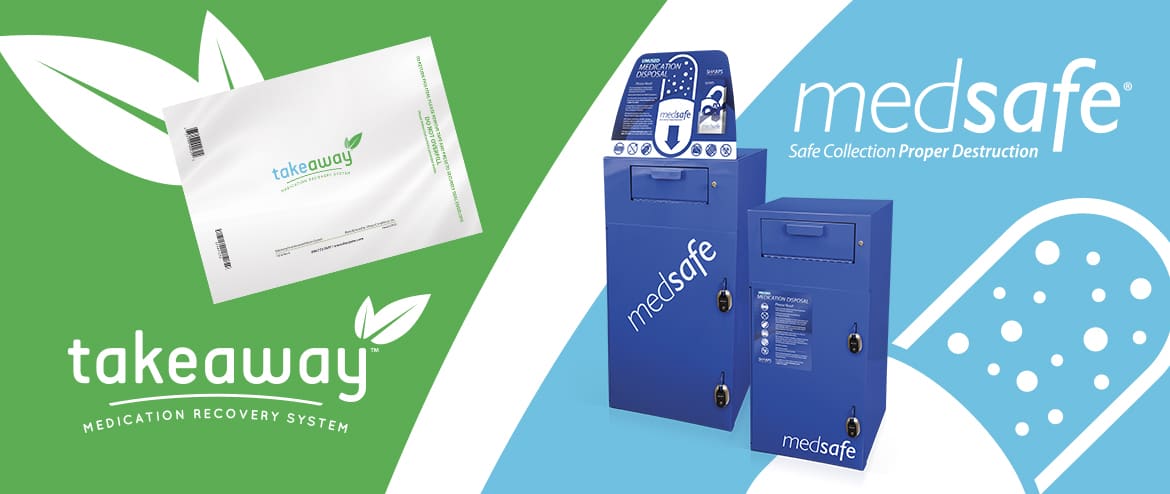
October 12, 2017 National Drug Take Back Days Raise Awareness About Safe Prescription Drug Disposal Methods Last updated on October 30, 2019 On October 28, 2017, local communities across the county will participate in the 14th “National Prescription Drug Take Back Day“. The Drug Enforcement Administration and local law enforcement organizations coordinate Take Back Day events every April and October. The goal is two-fold: reduce the potential for misuse of unused prescription medications and educate the public about safe drug disposal methods. In April 2017, 5498 drop-off sites collected 450 tons of prescription medications. This record-setting collection reflects the public’s increasing participation in proper drug disposal as their awareness of the dangers of improper drug disposal grows. Unused Prescription Medications May Contribute to Drug Abuse A 2015 study conducted by the Substance Abuse and Mental Health Services Administration found that 60% of adults who report misusing opiods didn’t have a prescription for the drugs. It also found that 38% of adults had an opiod prescription at some point in 2015 and that many didn’t consume the entire prescription: The major culprit behind the misuse is excessive prescriptions, the survey found, with doctors providing patients with too many pills for too long. After delivering a baby, for example, women typically use half of what they’re given, said Stephen Patrick, a Vanderbilt University neonatologist who was not involved in the study. Prescription drug use among teens increased 33% between 2008 and 2012, with 24% of high school students reporting that they had abused prescription medications. Teens often view prescription medications as being less dangerous than “street drugs,” possibly because they see their parents taking them. 56% of teens who misuse prescription medications get them out of the medicine cabinet at home. A 2012 study found that 85% of young injection drug users used opiod painkillers non-medically before moving on to heroin. The most common methods for obtaining opiods were family, friends, and their own prescriptions. What seems like harmless experimentation can lead to lifelong struggles with addiction. Unused medications can represent a real danger to other family members and the community. Dangers of Unsafe Disposal Methods As the public learns more about the dangers of keeping unused medications in the home, safe drug disposal becomes a more compelling issue. Currently, the two most common disposal methods used by consumers – flushing drugs down the toilet and putting them in the trash – can contribute to health and environmental safety problems. Accidental poisoning: Medications placed in trash containers may represent a danger to children and pets. The Journal of Pediatrics reported in 2012 that over half a million children aged 5 and up are “exposed to pharmaceuticals in a potential poisoning event” each year. 95% of these events are due to “self-exposure,” meaning that children came across unattended medication and sampled it on their own. In 2016, “human prescription medications” topped the list of the ASPCA’s annual list of “Top Ten Pet Toxins.” Drug abuse: Addictive drugs change the way the mind works and exert a powerful force as the brain craves the euphoric feeling the drugs can produce. People will do almost anything to get it – even if it means taking drugs out of trashcans. Water and wildlife contamination: Levels of pharmaceutical residues in wastewater have risen in recent years, but studies of the health and environmental affects show mixed results. Levels are increasing as the overall population consumes more prescription medication. However, scientists report that a substantial percentage of residue in the water supply is due to intentional disposal down sinks and toilets. Conventional wastewater treatment facilities aren’t designed to remove many trace-level contaminants including pharmaceutical residues, leading to concerns about unintentional consumption by both humans and animals. Poisoning, abuse, and environmental contamination were all issues that promoted the establishment of National Drug Take Back events. Find an event near you or get more drug disposal information at the DEA Web site. Challenges of Routine Pharmaceutical Disposal The “take back” events allow individuals to dispose of prescription drugs only twice a year. There is a need for more routine disposal options. Organizations, such as retail pharmacies and law enforcement agencies, can play a part in helping their communities dispose of medications throughout the year. Sharps Compliance offers two efficient and easy-to-manage DEA-compliant disposal options: Sharps’ MedSafe Medication Disposal System. This DEA-compliant medication collection kiosk can be placed in DEA collector locations, such as retail pharmacies, hospitals and clinics with on-site pharmacies, and long-term care facilities, as well as narcotic treatment programs and police stations. Each kiosk is made of 14-gauge powder-coated steel and comes with serialized, pre-addressed, prepaid, leak-proof inner liners. Consumer unused drugs are deposited into the kiosk where they fall into the liner. When the liner is full, the location ships it back via UPS to Sharps Compliance’s DEA-approved facility for destruction. Takeaway Medication Recovery System: This USPS-mailback option is designed for individual consumer use and small organizations such as hospices. The mailback envelopes are designed for small quantities of an individual’s unused medication. For larger quantities, our specially-designed boxes are available. Users mail the prepaid, pre-addressed envelopes and boxes via USPS to Sharps’ DEA-approved facility for destruction. Sharps Compliance is proud to offer safe, convenient pharmaceutical disposal solutions to institutions as well as individuals. We encourage all households to participate in National Drug Take Back Day events. However, we understand that many organizations and individuals require more robust disposal options. Let us help you find the right DEA-compliant pharmaceutical waste disposal solution for your needs. Read More
September 14, 2017 Industry & Communities Meet the Challenge of Safe Prescription Drug Disposal Americans are taking more and more prescription drugs, both legally and illegally, and communities across the country are struggling to deal with the health, financial, and environmental effects. A particular hot-button issue is the safe disposal of expired and unwanted medication. Currently, stakeholders including pharmaceutical manufacturers, product stewardship organizations, federal, state, and local governments, individual pharmacies, and other healthcare entities are working to develop solutions. Medical waste disposal companies who are also reverse distributors like Sharps Compliance are playing a major role to assist these groups in the proper containment, transport, and destruction of unused pharmaceuticals. _x007f_Prescription Drug Addiction Is an Epidemic While the cost of collection may seem high, so does the cost of doing nothing. Millions of Americans abuse prescription drugs. Thousands die every year from overdoses. Between 2000 and 2015, more people died from overdoses of commonly prescribed opioids than from heroin. In 2010, one in 20 people aged 12 and over reported that they used prescription drugs for non-medical purposes. In addition to the cost of life, there are increased community costs including additional law enforcement as well as increased demands on the health and foster care systems. People with substance abuse problems are often less productive at work/school and suffer both mentally and physically. The effects ripple throughout entire families and communities. Health and Environmental Hazards of Improper Drug Disposal Besides the personal and social costs of addiction, there are also environmental concerns. At this point, there is uncertainty about the effects of low-level drug contamination in the water supply, but levels are rising along with the increased use of prescription medications due not only to excretion, but from community residents flushing medications. Moreover, waste water treatment plants are only able to remove approximately half the prescription drugs contained in sewage. Prescription Drug Disposal Solutions Drug manufacturers also recognize the problems caused by improper disposal and are taking independent action. In 2014, the nation’s largest industry trade group, Pharmaceutical Research and Manufacturers of America, launched an informational website, My Old Meds, to educate consumers about the importance of safe storage and disposal. Counties and cities across the country are passing extended producer responsibility laws for pharmaceuticals. While local governments consider mandatory take-back programs, there’s also the possibility of federal regulation. Although a federal standard for collection and disposal of unwanted and expired pharmaceuticals would impose more order and certainty, Congress is unlikely to act on the proposal anytime soon. Many individual communities sponsor regular Drug Enforcement Agency (DEA) National Drug Take-Back Days, but publicizing and collecting from individual households is logistically difficult. The DEA, in response to the Secure and Responsible Drug Disposal Act of 2010, amended the Controlled Substances Act to provide extended collection options in 2014. This rule update allows retail pharmacies, manufacturers, drug distributors, reverse distributors, narcotic treatment programs, long-term care facilities, and hospitals/clinics with on-site pharmacies to set up drop-off kiosks or provide mailback systems for the collection of unused drugs, including controlled substances, from residents. Previously, only law enforcement personnel were allowed to collect controlled substances. Medical waste disposal companies that are reverse distributors are responding. For instance, Sharps Compliance offers secure, affordable drug collection kiosks and has collected and disposed of over 1.7 million pounds of unused medications over the last five years. Sharps offers two DEA-compliant options: MedSafe Medication Disposal System: This powder-coated steel, DEA-compliant medication collection kiosk is available at DEA-authorized locations for disposal of ultimate user controlled and non-controlled drugs. It comes with serialized, pre-addressed, prepaid, leak-proof cardboard inner liners. Since the liners are shipped via common carrier, they are only removed once full – making this option very efficient and cost-effective. The liner is shipped to Sharps’ DEA-approved facility for destruction. Takeaway Medication Recovery Systems: Designed to allow safe disposal of ultimate user drugs, the Takeaway Systems consist of mailback envelopes for small quantities of an individual’s medications or specially designed boxes for larger quantities, such as hospice care. Unused drugs are placed in the prepaid, pre-addressed envelope by the ultimate user or long-term care provider prior to mailing directly to Sharps’ DEA-approved facility with on-site destruction. Sharps Compliance’s all-in-one collection, transport, and destruction MedSafe and Takeaway Medication Recovery Systems are an immediate answer to the growing demands for increased accountability and assistance for consumers in the effort to keep their families, environment, and communities safe. Read More
January 11, 2017 How to Dispose of Chemotherapy Waste Last updated on January 21, 2021 Choosing the right containment, transport, and treatment for waste items contaminated with chemotherapy or antineoplastic agents can be confusing. Questions that come up include, “Is chemo managed as hazardous waste, or is it medical waste? Do I have to use a yellow container and chemo labeling or a black container and hazardous waste labeling?” To answer these questions, we must consider how this waste is classified, segregated, and ultimately regulated. Chemo waste disposal must be managed with local, state, and federal regulations in mind in order to protect all parties with potential exposure. Federal Resource Conservation and Recovery Act (RCRA) classifies nine chemotherapy drugs as characteristic or listed hazardous waste pharmaceuticals (HWP). Hazardous Waste Chemotherapy Drugs Generic Name Brand Name Waste Code Arsenic Trioxide Trisenox P012, D004 Chlorambucil Leukeran U035 Cyclophosphamide Cytoxan, Neosar U058 Daunomycin Daunorubicin, Cerubidin, DaunoXome, Rubidomycin U059 Diethystilbestrol DES, Stilphostrol U089 Melphalan Alkeran, L-PAM U150 Mitomycin C Mitomycin, Mutamycin U010 Streptozotocin Streptozocin, Zanosar U206 Uracil Mustard Uramustine U237 Note: This list may not be all-inclusive since new products may be introduced at any time. Source: http://dnr.wi.gov/files/pdf/pubs/wa/wa1258.pdf If a chemo drug waste is classified as a HWP by RCRA, it must be managed as hazardous waste (not medical waste) unless the container is “RCRA-empty” (only residual remaining) or there are only trace amounts of the HWP on waste items, such as gloves or drapes (“trace chemo waste”). HWP that are in containers not RCRA-empty are typically referred to as “bulk chemo waste.” This waste must be managed by a hazardous waste disposal company. Trace chemo waste or RCRA-empty chemo containers can be managed by a medical waste company as long as they are incinerated. There are numerous chemotherapy drugs that have not been assessed and therefore, not classified as HWP by RCRA. In addition, numerous states require all chemo be handled as HWP. Best management practices in healthcare include the disposal of ALL chemo as trace or bulk HWP as applicable. Having proper containers for segregation of chemo wastes will help keep those wastes out of sharps containers, red bags, and the trash. Note that the terms “trace/residual” or “bulk” chemotherapy are not regulatory terms but are used to differentiate between items that are RCRA-empty from those that are not. RCRA-Empty – Trace/Residual Chemo (The Yellow Container) For a chemotherapy waste container to be considered RCRA-empty or contain only residual amounts of the drug, all chemo must have been removed using practices commonly employed industry-wide to remove wastes from containers, such as pouring, aspirating, and draining until no more than 3 percent by weight the container remains. Such containers typically include empty IV bags, syringes, and medication vials. Trace chemotherapy can be found on items used to prepare and administer chemo, including gloves, pads, and gowns.1 As previously mentioned, some states, e.g., California, are stricter than RCRA and recognize an “empty” container as one having no remaining drug in it at all. Trace or RCRA-empty chemotherapy can be disposed of in waste containers labeled as “Chemotherapy Waste” or “Incinerate Only” or other labeling that may be required by an individual state. Items contaminated with trace chemo or those RCRA-empty containers can be managed by a medical waste company as long as they are incinerated. They must be marked for incineration because otherwise, sharps containers and red bags are managed as medical waste and treated by autoclave, which is not appropriate treatment for ANY pharmaceutical waste.2 Sharps Compliance offers the Two 3.5-Gallon Pail TakeAway Recovery System for Trace Chemo, and the 20-Gallon TakeAway Recovery System for Trace Chemo. These systems are designed for simplified and regulatory-compliant collection, transport, and proper treatment of needles, empty vials, syringes, and other waste items contaminated with trace/residual amounts of chemotherapy agents. Bulk Chemo (The Black Container) According to the State of Washington’s Department of Ecology, bulk chemotherapy waste includes chemo in containers that are not RCRA-empty, such as unused or partially empty IV bags, syringes, or vials. Chemo spill cleanup materials are also considered bulk chemo.3 Bulk chemotherapy waste should be contained in RCRA containers that are DOT approved to transport this type of hazardous material (often black) and labeled as hazardous pharmaceutical waste with the correct DOT hazard class. They must be transported through hazardous waste pickup by an EPA-permitted transporter and properly managed as hazardous waste to an EPA permitted and authorized treatment facility. Sharps provides services for the compliant transport and disposal of bulk chemo and other hazardous pharmaceutical waste. Proper waste segregation is key to increasing compliance for your facility while decreasing exposure to employees and the environment. To increase proper segregation in your facility, train employees that chemotherapy waste must never be placed in red bags, sharps containers, or regular trash; and that they instead belong in labeled, color-coded containers for this specific waste. Sources 1 Managing Chemotherapy Waste 2 Pharmaceutical Waste Management Guidelines 3 Specific waste: Chemotherapy Read More
July 28, 2016 Understanding the EPA’s Proposed Amalgam Separator Rule UPDATE: The EPA’s final rule (July 14, 2017) “requires dental offices to use amalgam separators and best management practices recommended by the American Dental Association (ADA).” UPDATE: The 2016 EPA Dental Effluent Guidelines were pulled from The Office of The Federal Register; and, though signed, will not be published at this time. Therefore, this rule WILL NOT go into effect. However, many states have state level laws requiring the installation of amalgam separators in their state’s Dental Offices. These state level laws will be unaffected by the withdraw of the EPA rule and remain in full force and effect. If there are any further changes related to this rule, we will be sure to update this blog accordingly. In September 2014, the Environmental Protection Agency (EPA) proposed a new rule regarding dental amalgam. This regulation would require all existing and new dental practices to use amalgam separators to prevent amalgam from discharging into publicly owned treatment works (POTWs). Amalgam is a mixture of metals consisting of liquid mercury and a powdered alloy composed of tin, copper, and silver. Elemental mercury reacts with and binds together with the alloy particles to form an amalgam. Amalgam restorations are often referred to as “silver fillings.” Mercury is released into dental offices’ wastewater when dentists either place or remove amalgam fillings. “Studies have shown that dental offices are the largest source of mercury discharges to POTWs, contributing about half of the mercury received by POTWs.” Mercury is converted to methylmercury and builds up in fish and shellfish. When consumed, methylmercury is highly toxic, especially to fetuses, infants and children. Under this regulation, dentists would have to decrease their amalgam discharge “to a level achievable through the use of the best available technology (amalgam separators) and the use of Best Management Practices.” Many states have enacted rules requiring separators over the last few years. Therefore, if dental offices already have amalgam separators “that do not meet the proposed amalgam removal efficiency,” they would remain in compliance while the separator was still functioning. Once an office has installed a compliant amalgam separator, it’s important to manage the separator and collected mercury through a compliant recycling program. Utilizing Sharps Compliance’s 5-gallon Dental Amalgam Recycling System, which provides collection and shipment for recycling through UPS, cannot only help comply with the new regulations but can assure your mercury is safely and properly recycled. The EPA has delayed the release of the final rule twice. In May 2016, they postponed the regulation’s final release until this December in order to have time to review all of the comments they received for the proposal. Read More
May 18, 2016 Home Infusion Solutions Last updated on February 8, 2018 In the 1980s, infusion therapy began to be offered in the home in response to developments in clinical administration and pressure to reduce costs. For the patient, home infusion offers more convenience and allows them to live more normal lives while undergoing treatment. Today, the industry has continued to grow, making up $9-11 billion dollars spent each year in the U.S. healthcare market. Part of that money is spent on the disposal of regulated wastes and management of equipment in both the pharmacy and the patient’s home. Sharps Compliance offers a variety of home infusion solutions. Pharmacy and Infusion Suite Waste Home infusion pharmacies typically need larger containers to dispose of their medical waste. Sharps Compliance offers a system consisting of two 3.5-gallon pails that stack conveniently at the compounding hood. Sharps’ 20-gallon and 28-gallon systems are designed for the collection of sharps containers and other regulated medical waste. In the infusion suite, Sharps Compliance offers sharps container systems that can be placed by each chair or mounted for use. The 2-, 3.5-, and 20-Gallon Sharps Recovery System are available in “High Heat or Incineration” versions for use with trace chemo and non-hazardous drug disposal. The prepaid, pre-addressed systems are transported through the mail and treated with the most environmentally-friendly method for the specific type of waste. Patient Waste Mailback systems are also very convenient for home infusion patients. The Sharps Recovery Systems are safe, cost-effective disposal solutions for used needles, syringes, vials, and other regulated medical waste, such as items contaminated with trace chemo. These systems are filled, packaged, and mailed by the patient, eliminating the risk and cost of nurses or couriers transporting filled sharps containers in their vehicles. These mailback systems also eliminate the confusion that patients have when trying to determine what to do once containers are full. Sharps Compliance offers a variety of sizes of disposal solutions for patient use. When providing these systems, patients and their families are assured that medical waste is managed with the same care as it would be in a treatment facility. IV Poles and Pump Return Sharps’ Pitch-It IV Poles are perfect for IV or enteral therapy in the home. These lightweight disposable poles come boxed for shipping/delivery to the patient and are easily extended and set up for use by the patient. The Pitch-It Poles eliminate the retrieval, cleaning, bagging, and tagging of old IV poles. The patient simply uses the pole and then pitches it into recycling when therapy is completed. The safe return of infusion pumps, TENS units, and other equipment to the home infusion branch or other designated location can be challenging. Sharps AssetReturn System limits the risk of losing expensive IV pumps and other devices and saves time and money by reducing trips to and from the patient’s home. And unlike regular cardboard boxes sometimes used for shipping of expensive assets, the Sharps AssetReturn System boxes are designed specifically to safely transport pumps and other equipment. When the patient completes therapy, the equipment is simply boxed and shipped directly from the patient’s home using the UPS-prepaid return Sharps AssetReturn System shipping box, which includes tracking and insurance. All of these products and services help reduce branch costs and make home infusion therapy more convenient and affordable. Read More
April 20, 2016 Recycling Single-Use Medical Devices Does your facility reprocess single-use medical devices (SUDs)? Did you know that reprocessing SUDs can carry risks and disadvantages? Healthcare facilities are becoming more concerned about reprocessing SUDs (devices intended for one use or use on a single patient during a single procedure). Studies have found a significant rate of physical defects, performance issues, or improper decontamination associated with reprocessing of SUDs. According to the American Congress of Obstetrics and Gynecology, “The use of a reprocessed single-use device provides no direct benefit to an individual patient or her physician.”1 SUDs are not designed with reuse in mind. Reprocessing SUDs can increase potential for patient infection. Reprocessed SUDs are often disassembled and parts are exchanged, resulting in compromised functionality of the devices. Common materials used in SUDs are often a combination of metals and plastic, which is difficult to sterilize without causing changes to the materials. These changes may result in an inability to validate the devices for reuse. Cost-savings and environmental concerns have led to the practice of single-use medical device reprocessing. However, with increased focus on patient-centered care and accountability, recycling is quickly becoming the preferred method of management for SUDs. Sharps Compliance offers the TakeAway Recycle System for the safe collection, storage, transport, and recycling of SUDs. This cost-effective solution allows organizations to reduce risk while addressing environmental concerns. Almost all single-use medical devices are composed of materials that can be recycled. Using the TakeAway Recycle System ensures that all of the collected materials are processed down to their basic commodities. SUDs that are normally destined for reprocessing, the landfill, or treatment as medical waste are collected in the operating room or sterile processing department and then shipped by common carrier for recycling. TakeAway Recycle System helps you avoid liability by controlling potential infection caused by reprocessed SUDs. It also saves you money by eliminating the cost and pitfalls of reprocessed SUDs. This system is compliant with OSHA and DOT and complements your sustainability initiatives. 1“Reprocessed Single-Use Devices.” The American College of Obstetricians and Gynecologists. Number 537, October 2012 Read More
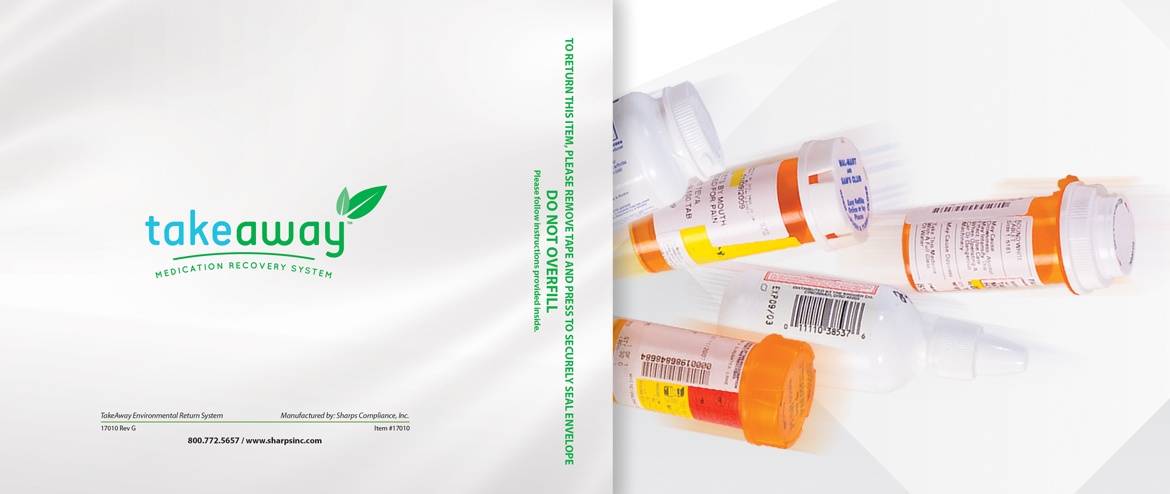
December 1, 2015 Preventing Prescription Drug Abuse at Home Last updated on May 6, 2019 Prescription drug abuse is a growing epidemic in the United States. Opioids, depressants and stimulants are the most abused medications. According to the Los Angeles Times_x007f_, the leading cause of death from unintentional injuries in the U.S. is drug-related poisonings, which has surpassed automobile accidents. Between 1999 and 2006, deaths from drug poisoning have almost doubled. The first step towards preventing drug abuse is proper medication disposal. In recent years, prescription drug abuse has increased because prescription drugs are more readily available. Drugs are prescribed more often due to “patient advocacy groups, the development of new formulations of opiate analgesics to meet this demand, and increased marketing of opiates by pharmaceutical companies.” Vicodin is one of the most prescribed medicines in all drug categories. Even though doctors prescribe prescription pain medications, that does not mean that they are “safe.” If pain medications are not taken as instructed, they can lead to dependence and possibly heroin use. One out of every fifteen people who use non-medical prescription pain relievers will try heroin within ten years. Heroin is generally easier and less expensive to obtain. Unused or expired medicine that is not properly disposed of puts people at risk. Sharps has supplied solutions for ultimate user medication disposal since 2009, beginning with the TakeAway Environmental Return System Envelopes. Our solutions have safely removed hundreds of thousands of pounds of unused medications from users’ homes. For pharmacies and drug stores wanting to provide a solution to their customers for disposing of unused medications, Sharps Compliance offers TakeAway Medication Recovery System Envelopes. These prepaid, tamper-evident envelopes allow comingled collection and disposal of controlled (Schedules II-IV) and non-controlled medications. This DEA-compliant service is easy to use. Once envelopes are filled with medications, users seal the envelopes and mail them back with a prepaid USPS label for proper, DEA-preferred destruction. These envelopes are available in a few different options: 25 envelopes in a counter display or 12 individually-wrapped envelopes with or without a counter display. This product drives foot traffic to retail pharmacies and offers pharmacists an opportunity to discuss medications with their customers, improving business. Read More
September 21, 2015 Waste Management Solutions for Vaccinations Last updated on January 15, 2019 Vaccines can prevent many life threatening diseases. Pharmacists, nurse practitioners and physician assistants can administer immunizations in many places, including local pharmacies and retail clinics. Vaccines are generally very safe and can help eradicate some diseases. For instance, polio once caused paralysis and even death. Due to the administration of the injectable polio vaccine, there are now no reports of confirmed polio in the United States. Getting immunized has gotten easier as pharmacies offer various immunizations, which are administered by trained healthcare providers. Physicians are the most recognized healthcare provider, but pharmacists in all 50 states can immunize patients. A few states have regulations regarding the vaccine type and patient’s age. The convenience and extended hours of the pharmacy make immunizations at pharmacies very beneficial. With the expansion of retail clinics, also known as convenience care clinics, consumers have even more options for places to get immunized. In an article published in 2015, Kalorama Information reported that out of the 2,000 US adults surveyed, approximately 700 had visited a retail clinic. 74% of these people visited clinics to get vaccinated. Nurse practitioners and physician assistants, who have been thoroughly trained in vaccine administration, staff the clinics. In addition to administering vaccinations, healthcare providers must consider how they will dispose of all the needles and syringes used for vaccinations. Sharps Compliance offers mailback systems in various sizes that are ideal for pharmacies and retail clinics in need of a cost-effective and regulatory-compliant disposal solution for sharps and other small quantities of medical waste. Once the containers are filled, they are packaged in the prepaid return shipping box. The mailback box can be handed to the postal carrier or dropped off at the local post office, or a USPS priority pickup may be scheduled online. All of Sharps Compliance’s customers receive access to SharpsTracer, an online portal for tracking and proof of treatment of returned systems, available 24/7. Sharps Compliance also offers route-based pickup services if needed. Sharps will customize services to fit each customer’s medical waste needs. Read More