June 29, 2022 Can You Tell the Difference Between Hazardous and Biohazardous Waste? Hazardous and biohazardous wastes can potentially harm human, animal, and environmental health and wellbeing. These two types of wastes differ in composition, origin, dangers, and disposal methods. Waste generators need to understand the difference between biohazardous and hazardous wastes to protect the staff and the public, comply with all applicable regulations, and avoid fines and penalties. Hazardous Waste Examples Hazardous waste is any waste that contains dangerous chemicals, including heavy metals, flammable liquids, corrosive material, and other contaminants that can directly harm living creatures and the environment. Per the EPA, “hazardous waste may come in many forms, including liquids, solids, gases, and sludges.” Healthcare facilities and veterinary clinics may generate small quantities of hazardous wastes and hazardous wastes pharmaceuticals (HWP). The vast majority of hazardous waste is generated from large quantity generators in the industrial sector, including semiconductors, automobiles, and allied chemical industries. Common hazardous waste streams in healthcare include: Flammable liquid mixtures Hazardous Waste Pharmaceuticals, including warfarin/coumadin, insulin, and medical aerosols/inhalers X-ray Process Waste (fixer/developer solutions, film, and lead aprons) Some pharmaceuticals (including their containers) must be managed as hazardous waste. Visit the EPA website for more information about P-list, U-list, or characteristic wastes that must be handled according to guidelines for HWP. Note that these drugs are not the same as the hazardous drug list maintained by the CDC’s National Institute for Occupational Safety and Health (NIOSH). Learn more about the difference between hazardous drugs and hazardous waste pharmaceuticals. Households can also generate hazardous waste. Our infographic lists items you should never put in your household trash, and the accompanying article discusses safe disposal options. Biohazardous Waste Examples Biohazardous waste is medical waste that has the potential to spread disease or pathogens to humans. It’s usually generated at healthcare facilities, including hospitals, dental offices, veterinary clinics, and laboratories, but tattoo studios, medspas, and funeral homes also generate biohazardous regulated medical wastes (RMW). Biohazardous medical waste types include: Sharps waste (needles, scalpels, etc.) Pathological and anatomical waste Microbiological waste Blood, blood products, and other potentially infectious materials (OPIM) Zoonotic waste Contaminated items that would release blood or blood products or OPIM in a liquid or semi-liquid state if compressed Isolation waste Households and individuals also generate biohazardous waste – mostly used sharps. This waste can be a danger to others when improperly disposed of in recycling bins, regular trash, or in public places. Technically, there is no material difference between the terms biohazardous waste and regulated medical waste, but regulatory terminology varies by state: “For example, Arizona state regulations refer to the disposal and management of “biohazardous medical waste” instead of the more commonly used term “regulated medical waste.” In contrast, Mississippi uses the terms “infectious medical waste” and “medical waste” to differentiate between potentially infectious RMW and non-infectious medical waste.” Hazardous Waste and Biohazardous Waste Disposal Federal and state agencies strictly regulate both hazardous and biohazardous waste disposal. Hazardous waste is defined at the federal level by the Resource Conservation and Recovery Act (RCRA). The EPA maintains a list of applicable RCRA hazardous waste regulations. Federal agencies, such as the EPA, OSHA, and DOT, have regulations regarding hazardous and biohazardous medical waste handling, storage, transportation, and treatment. For example: EPA “has jurisdiction over medical waste treatment technologies, which claim to reduce the infectiousness of the waste using chemicals.” DOT “regulates the transportation of wastes it deems capable of posing an unreasonable risk to safety, health, and property when transported.” It does this through mandatory employee training as well as requirements for waste classification, packaging, and paperwork. OSHA medical waste regulations focus on workplace safety issues, such as needlestick prevention, red bag waste classification and management, and employee safety training. However, most regulation is at the state and local level. State medical waste regulations differ, and states are free to impose stricter regulations than federal requirements. Some state hazardous waste classifications are more stringent than federal requirements. Generators must be aware of their state requirements and hazardous waste generator category to ensure that they follow all storage and reporting requirements. Mistakes cost money: a non-conforming hazardous waste stream sent to a treatment facility may incur extra costs for remediation, or worse, be rejected and returned to the generator. Do You Need Help Managing Your Hazardous and Medical Wastes? Sharps Compliance can help answer your questions about your RCRA generator status and other waste disposal issues, including state and federal regulations, employee training, cradle-to-grave waste tracking, and more. We offer comprehensive solutions for managing biohazardous regulated medical waste, unused pharmaceuticals, and hazardous waste. Contact us at 800.772.5857 or request a service quote online. Read More
November 10, 2021 Is Your PPE Regulated Medical Waste? OSHA requires employers to “provide appropriate PPE for workers who could be exposed to blood or other infectious materials (such as internal bodily fluids).” Commonly used Personal Protective Equipment (PPE) for healthcare workers include gloves, gowns, goggles, masks, and face shields. While some of those items may be reusable, the majority are single-use items requiring disposal after use. Though OSHA defines what level of contamination requires disposal as regulated medical waste, state regulations may have more strict definitions of what PPE must be disposed of as regulated medical waste (RMW). Do your employees know how to tell the difference? Proper training on waste segregation – for PPE and other medical-related wastes – can help you create a safer workplace, keep you regulatory compliant, and save on medical waste disposal costs. Many Facilities Face Rising Costs for PPE Procurement & Disposal The COVID-19 pandemic put healthcare providers in a double bind: as demand for PPE increased, so did the cost to purchase it. However, medical waste disposal costs also increased for many medical facilities due to the over-classification of COVID-related PPE as RMW. Initial uncertainty about modes of disease transmission led many to err on the side of caution and treat all PPE as RMW. Later guidance from OSHA and the CDC indicated that most COVID-related PPE could be disposed of in regular trash. “The Occupational Safety and Health Administration and the CDC released guidance specific to COVID-19 waste, which determined that the virus is a Category B infectious substance. This means PPE and other medical waste generated in the treatment of patients with COVID-19 can be managed in the same way as other waste related to Category B infectious substances, in contrast to the more hazardous Category A infectious waste generated in the management of diseases such as Ebola.” In most states, this means that only PPE that is grossly contaminated with blood or other potentially infectious materials to the extent that such substances could be released upon handling should be treated as RMW. The rest can be disposed of in regular trash. However, remember that several states and industries have more stringent guidelines for the management of PPE waste during the COVID-19 pandemic. Always check with your appropriate regulatory agencies for handling and disposal guidelines. Read our September 2021 updated guide to COVID medical waste to learn more about waste disposal requirements for healthcare settings and other industries. Strategies to Lower PPE and RMW Disposal Costs Because PPE may have been in contact with bloodborne pathogens or other potentially infectious materials (OPIM), some waste generators place all of it in red biohazard bags to be disposed of as regulated medical waste “just in case.” This is an expensive mistake! RMW disposal costs are as much as ten times higher than for municipal trash. Even small reductions in quantities can result in big savings. Make waste segregation easy: Use color to provide visual cues. For example, RMW waste goes in red containers, recycling in green, regular trash in brown, etc. Place them conveniently for staffers, but separate them so that red bag containers aren’t side-by-side with regular trash. Use posters and visual aids: Place informational posters or other visual aids above waste containers. Employees can quickly see what type of waste is permitted in each container. Sharps Compliance provides posters and training materials to all our customers to help them properly segregate wastes. Use the proper size collection containers: Small RMW containers in exam and patient rooms make it harder for patients and workers to treat them as regular trash containers. We can help you determine the most appropriate size of medical waste recovery systems for your facility. Employee training: No healthcare worker wants to make a mistake and unintentionally spread disease or injure someone. Without proper training, employees may err on the side of caution: if they’re not absolutely sure it’s safe, it goes in the red bag. That means your biohazardous medical waste containers may be full of used gloves and gowns instead of actual regulated medical waste products. Those bloated red bags can break your RMW disposal budget, but simple staff training can fix this, using resources like the complementary segregation posters provided to Sharps customers. State training requirements differ, but OSHA requires orientation training and annual refresher training for employees who have regular or occasional potential for exposure to bloodborne pathogens or OPIM. Additionally, facilities that have direct pickup of RMW must also provide DOT training. Sharps Compliance Can Help Sharps Compliance is a leading single-source provider of regulatory-compliant services for healthcare professionals. We offer comprehensive waste management services for sharps, medical waste, and pharmaceutical wastes. With our service, there are no contracts or hidden fees. Contact us to request a service quote or call 1.800.772.5657 for more information about how we can help you stay compliant and save money on disposal costs. Read More
August 4, 2021 The Benefits of Sharps Mailback Systems: Safe, Affordable, & Regulatory Compliant Used needles and other sharps can cause needlestick injuries and spread infections if they aren’t disposed of properly. As the opioid epidemic continues and the number of patients who self-inject medications increases, so does the need for secure disposal options in public spaces and for those who self-inject medications at home. Sharps Compliance can help. Our TakeAway Recovery Systems are all-inclusive mailback solutions that offer an affordable, safe, and convenient way to collect, package, and ship small quantities of sharps wastes. Safely Manage Sharps Waste with Mailback Systems Use the TakeAway Recovery Systems to pack your used sharps, complete the necessary paperwork, and ship the package directly to our disposal facility. They’re ideal for small quantity waste generators like veterinarians, tattoo parlors, dentists, med spas, pharmacies, and physician offices because you return them based on your needs, not a waste hauler’s schedule. Other benefits of TakeAway Recovery systems include: Cost: You pay for only what you need. When a container is full, place it in the provided mailback box, complete the paperwork, and return using the prepaid, pre-addressed mailing label. Scalability: Many facilities find that their need for sharps disposal fluctuates – for example, pharmacies during flu shot season. The TakeAway systems provide flexibility and affordability. You can easily scale up during high usage times without changing providers or signing a new contract. Liability: Businesses can be held liable if employees or customers are injured by discarded sharps. Our Sharps Secure Needle Disposal System is a lockable collection cabinet designed specifically for public restrooms. Return it for disposal and treatment using a TakeAway Recovery System mailback box. Regulatory compliant: Both state and federal regulations govern the handling, transport, and treatment of regulated waste disposal. The TakeAway Recovery Systems supply everything you need to comply with applicable state and local regulations, including tracking and proof of destruction. Sharps Mailback Options for Individuals The global injectable drug market is projected to grow at a compound annual growth rate of 11.8% between 2016-2021. For example, advances in veterinary medicine make it possible to treat chronic illnesses, like diabetes, at home, with many pet owners giving regular injections to their pets. It’s very important for individuals who self-inject, whether themselves or their pets, to dispose of their used sharps safely. Needlestick injuries are all too common in trash and recycling facilities and are expensive to treat. A 2016 study of needlestick injuries to workers in materials recycling facilities found that workplace injuries could total as much as $2.25 million in direct medical care costs. Many states have specific regulations regarding home sharps collection and disposal to reduce the risk of needlestick injuries. Some specifically prohibit the mixing of home-generated sharps with regular trash or recycling. We can help you safely manage your sharps waste at home. TakeAway Recovery Systems are comprehensive, prepaid mailback systems that come in a variety of sizes. Choose the one that fits your personal needs. Travel-Size Sharps Tubes are designed for on-the-go use. These containers easily fit into a purse, pocket, or briefcase for easy access. After use, place the sharp item into the tube, secure the lid, and retain it until you safely dispose of it in a sharps collection kiosk, disposal container at an airport or other public restroom, or in your home TakeAway Recovery container. How Sharps Mailback Systems Work The packaging, labeling, and transportation of sharps mailbacks are subject to USPS packaging requirements. Manufacturers must utilize only FDA-cleared sharps containers as part of their sharps mailback systems. Additionally, all systems must pass rigorous independent testing to gain USPS approval for the transport through the mail. Fortunately, the mailback process is much less complicated for the end-user. Our TakeAway Recovery Systems provide everything you need to safely contain, store, package, label, and return your used sharps. Our mailback systems include: A primary collection container Prepaid postage, pre-addressed return shipping box Components to package full sharps container for transport Waste manifest tracking form Instructions for use, proper treatment, and online documentation of treated waste Contact us to learn more about how we can help you comply with existing regulations and safely dispose of sharps and other regulated wastes. Read More
October 7, 2020 Why You Need to Train Employees on Proper Disposal of Medical Waste Every medical office is under pressure to increase productivity and control costs. However, you can never be too busy to make sure your staff is trained on the proper handling and disposal of medical waste. Regulated medical waste (RMW) handling and disposal mistakes can lead to workplace injuries, increase disposal costs with improper segregation, and potentially lead to fines for improper handling, disposal, and worker injury. At Sharps Compliance, we offer online tools to help train employees and keep the workplace safe and OSHA compliant. OSHA is the agency tasked with governing proper handling of RMW by healthcare workers. Workplace Injuries Cost More Than You Realize The healthcare and social assistance sector has one of the highest rates of workplace-related injuries – 582,800 were reported in 2017. Injuries are expensive and carry several hidden costs, such as medical, salary, or legal expenses. Calculating the total cost of a work-related injury is more complex than a single worker’s compensation claim. For example, suppose a team member receives a needlestick injury from a used sharp discarded in the regular trash. The injured staffer must immediately stop and clean the wound. The supervisor must investigate how the sharp got in the trash and attempt to identify the patient it came from. Depending on the patient’s medical history, the staffer may need to begin prophylaxis treatment, which could include immunizations, anti-viral drugs, and multiple medical visits. You may even have to pay overtime to other employees in order to cover for the injured staffer while receiving treatment. The costs add up quickly. Injuries may also affect employee productivity and morale. In some cases, your employee may even have legal standing to file a civil lawsuit. In addition to the direct employee effects, a pattern of workplace accidents or violations could attract the attention of regulators. Remember that OSHA only cites/fines employers for violations – even if the accident/injury happened because an employee wasn’t following proper procedures. Proper training, along with a commitment to safety and compliance, is essential. Waste Segregation: A Safety & Financial Issue It can cost ten times as much to dispose of regulated medical waste (RMW) than to dispose of regular trash. Fortunately, only a small percentage of healthcare-related waste falls into the RMW category. According to the World Health Organization, “up to 85%of waste generated by health care-related activities is general, non-[bio]hazardous waste” and doesn’t pose a health, safety, or environmental threat. Your staff must understand the difference between general waste, RMW, and non-biohazardous medical waste. When RMW is mixed in with regular trash, it poses a health and safety threat. RMW can potentially spread contagions like Ebola, Hepatitis, and HIV. Likewise, loose sharps placed into the trash or RMW container can injure healthcare workers, custodial staff, landfill workers, and recycling facility workers. The vast majority of healthcare workers understand the dangers, and, even go as far as adopting a “better-safe-than-sorry” attitude and place general, non-hazardous trash into red bags along with the materials required to be disposed of as RMW That means your facility is paying RMW prices to dispose of regular garbage – greatly exaggerating the expenses for RMW disposal. It is not a good situation at all. Learn more about proper medical waste classification in our three-part series, “What’s Going into That Red Bag?” ComplianceTrac: Get Help with Training & Compliance Sharps Compliance customers have access to ComplianceTrac, an online training management system, including OSHA-required, DOT, HIPAA, and Medicare training. The online training videos are available 24/7, so employees can train at their convenience. The modules typically allow employees to train in less than an hour, where they receive a certificate of completion at the end of the training. Examples of training modules include: Bloodborne pathogens Fire Safety GHS hazard communications (HazCom) HIPAA Ergonomics Medicare Fraud, Waste, and Abuses For those healthcare facilities that have direct pickup of their RMW, they are required to have DOT training, which is provided in ComplianceTrac. ComplianceTrac also serves as a document repository, providing customizable OSHA-required safety plans, which you can disseminate among staff. The searchable SDS (MSDS) database allows you to create site-specific electronic SDS manuals along with the required corresponding Chemical Inventory with SDS sheets dating back to 1990. Lastly, there is the audit tool, where your facility can perform regular workplace audits, view reports, assign corrective actions to individuals or departments, and set due dates for completion. Sharps Compliance has a comprehensive array of online resources, in addition to our disposal products, to help ensure your staff are trained and equipped with everything they need to properly manage your facility’s regulated medical waste needs. Read More
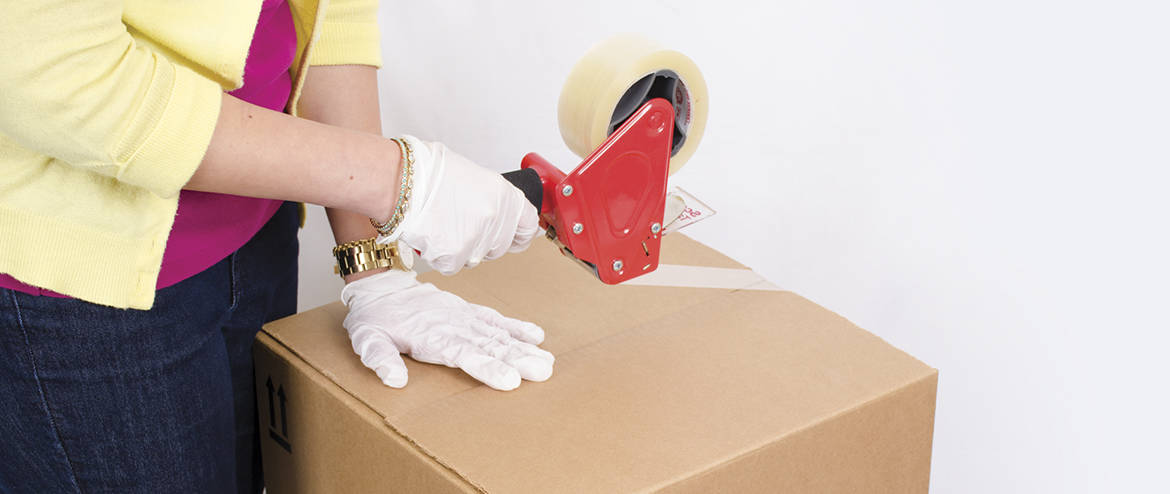
June 17, 2020 Who is Maintaining Your Medical Waste? Last updated on May 7, 2021 This is an update of the article originally published on August 6, 2014. Regulations change frequently. That’s why Sharps Compliance monitors updates and communicates any changes to its customers. “I don’t have time to close up and label the medical waste box – so the medical waste transport driver does it.” This statement is often uttered by busy employees responsible for managing their facility’s medical waste. However, the US Department of Transportation (DOT) and other regulatory bodies place the onus of responsibility for preparing and packaging medical waste on the generator of the waste, not the transporter. The DOT and individual states regulate transport and labeling of waste managed by a pickup service. Since the facility that generates this waste is responsible for the proper packaging, the DOT requires anyone who “prepares medical waste for transport” to be trained in the proper procedure. Training must be documented and repeated every three years. In addition, states can require training as well. When mailing medical waste, instructions are included with each mailback system, which can be used for training on proper packaging. DOT does not regulate mailback packages and therefore, does not require the training mandated by DOT. However, since the person packaging the waste is still responsible for properly doing so, it is important to train the employee using the mailback instructions. When signing the manifest tracking form that must follow the waste from “cradle to grave,” the person signing the form declares that the contents have been classified, packaged, marked, and labeled according to applicable government regulations. This is true for both pickup service and mailback. That person declares that the shipment does not include hazardous materials, such as mercury or hazardous drugs. For this reason, only employees of the generator can close or and package the transport or shipping box and sign the manifest tracking form. If your organization is using a pickup service, follow the driver’s instructions, which typically include the following: Build out the box, making sure the box bottom is taped well, and all closure and/or locking mechanisms are engaged and taped closed. Place liner in the box. Close sharps containers and tie up red bags before placing into lined box or container. Securely tie closed liner around containers/bags. Close the box flaps and secure with packing tape or secure the lid and closures. Place label(s) as required by state regulations, including the label provided by the medical waste company. Sign manifest tracking form (keep generator copy). Provide box/container to pickup driver. Access proof of treatment. If you are using a mailback system, written instructions are included with each system. Instructions include the following: Retain plastic-lined mailback box to ship container(s) back for treatment. Close sharps containers and tie up red bags prior to placing into lined box/container. Absorbent is already included in liner and/or each sharps container. Securely seal liner around filled container(s) using provided twist or zip tie. Close the numbered box flaps and place provided tape over closure tab(s). Write the facility return address on the top of the box. No additional labeling is required. Complete and sign manifest tracking form (keep generator copy). Provide to mail carrier. Access proof of treatment. Don’t get caught out of compliance! Our ComplianceTrac tool helps offices build plans and policies to address these issues. Read More
March 18, 2020 The Do’s and Don’ts of Medical Waste Packaging Last updated on March 20, 2020 This is an update of the article originally published on June 1, 2016. Regulations change frequently. That’s why Sharps Compliance monitors updates and communicates any changes to its customers. Just when you thought that your waste was packaged properly, you learn that your state has laws that differ from federal regulations. Did you know that states have the authority to add additional rules to many federal regulations? It’s important to follow local, state, and federal requirements when packaging and labeling your waste. Here are a few simple steps that you can follow to lessen the potential environmental, safety, and financial risks associated with improper packaging of your medical waste. As a “generator,” the person producing the waste, you are accountable for the proper classification, segregation, packaging, and sealing for transportation of your waste and subject to fines and penalties for any defaults. So, what are the best options for learning proper packaging of medical waste in your state? First, you must identify which wastes are classified as regulated medical waste. Each state has a specific definition, very similar to OSHA’s definition included in the Bloodborne Pathogens Standard. According to OSHA, regulated medical waste includes: Sharps Liquid or semi-liquid blood or other potentially infectious materials (OPIM1 ) Contaminated items that would release blood or OPIM in a liquid or semi-liquid state if compressed Items that are caked with dried blood or OPIM and are capable of releasing these materials during handling Pathological and microbiological wastes containing blood or OPIM Next, you must properly package your waste for transport, according to the Federal Department of Transportation (DOT), as well as any specific state or local regulations. For example, some states require identification on the box if waste must be incinerated. Others may require generator identification on red bags and sharps containers. Others have time limits for the storage of your waste. Feel free to discuss these requirements with your service provider or check your specific state requirements here. Sharps Compliance customers gain access to our Regulatory Hub, which goes into even more detail about state regulations. After setting up your transport box, place the provided red-bag liner inside the transport box, which is now ready for you to contain your full, sealed sharps containers and individually tied red bags. Loose sharps and free liquids are never allowed in the transport box. If you have large volumes of liquid waste to dispose of, please contact Sharps Compliance Customer Service at 800.772.5657 for the best disposal options. As a reminder, please note that the following items should not be placed in the medical waste transport box: Items contaminated with urine, feces, sputum, tears, sweat, nasal excretions – unless those items are affixed with protected health information Regular trash All of these items can be placed into the regular trash. If you place them in a medical waste transport box, then you are paying up to 10 times the amount to dispose of this waste as you would if placed them into the regular trash where they belong. The items below MUST NOT be placed into the medical waste transport box. Contact Sharps Compliance at 800.772.5657 for the proper disposal systems for these materials. Hazardous and chemical waste Loose sharps Compressed gas cylinders Radiographic and amalgam waste Medication Free liquids Once the transport box is full or otherwise ready to be sealed2 , the red-bag liner must be closed by gathering and twisting the neck into a single knot or by using a twist tie. Next, fold the box flaps closed (they must lay flat on top of the box), and tape closed, making sure that the red bag is not visible. Keep in mind that if the box is damaged or not packaged correctly, then the driver will not be able to pick up the box at that time, and you will have to schedule a new pickup once the box has been packaged and sealed properly. Apply the supplied barcode label to the exterior of the box on the indicated location and have the appropriate person sign the tracking form. The person who signs the tracking form should be knowledgeable about what is contained in the box and that it has been properly packaged and sealed. Keep your copy for the state-required length of time. All Sharps Compliance customers can access their proof of destruction and run needed reports at https://www.sharpsinc.com/sharps-tracer. Click here to download our Medical Waste Packaging poster. [1] OPIM (Other Potentially Infectious Materials): (a) The following human body fluids: semen, vaginal secretions, cerebrospinal fluid, synovial fluid, pleural fluid, pericardial fluid, peritoneal fluid, amniotic fluid, saliva in dental procedures, any body fluid that is visibly contaminated with blood, and all body fluids in situations where it is difficult or impossible to differentiate between body fluids; (b) Any unfixed tissue or organ (other than intact skin) from a human (living or dead); and (c) HIV-containing cell or tissue cultures, organ cultures, and HIV- or HBV-containing culture medium or other solutions; and blood, organs, or other tissues from experimental animals infected with HIV or HBV. [2] States differ regarding storage times for different waste streams. For a list of each state’s storage time limitations, call 800.772.5657 or check with your state’s environmental department website. Read More
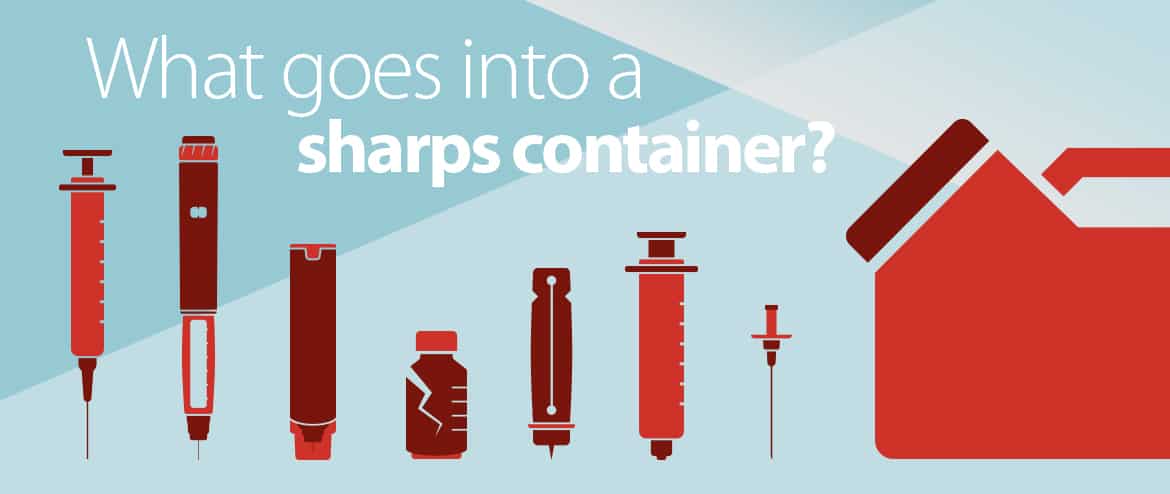
December 18, 2019 INFOGRAPHIC: What to Do if You Find a Discarded Syringe or Sharp Jump to the infographic. Safe handling and disposal of used needles and sharps help prevent injuries caused by accidental needlesticks. Unfortunately, many people don’t properly dispose of their used syringes and sharps. As a result, other people are injured by used syringes that were carelessly discarded in garbage cans, dropped in parks and playgrounds, or left behind in other public places. It’s scary to realize that there’s a chance that you or your child might find one! Do you know what to do? You Found a Used Needle. Now What? Anybody who finds a discarded syringe should assume it’s contaminated with a bloodborne disease or unknown type of drug. The safest course of action is to call the authorities and report it. For example, you might alert park police, lifeguards, security personnel, a store manager, etc. depending on where the needle is located. You can also call your local health department or law enforcement agency to report it. If you choose to remove it yourself, be extremely careful! Children should be taught never to touch a used syringe but always report it to an adult. The Spokane Regional Health District recommends these safe syringe removal steps for adults: Do not try to recap the syringe. Find a rigid, thick-walled, sealable plastic container big enough to contain the syringe. Use protective gloves if possible. Bring the container to the syringe. (Walking with an uncapped syringe increases exposure risk.) Place the container on the ground next to the syringe. Pick up the syringe in the middle of the barrel, never by the needle. Place the syringe in the container, sharp in first, and let it drop. (Never try to hold the container as you place the syringe inside. You could accidentally stick yourself.) Secure the lid on the container and affix with tape. Remove your gloves and thoroughly wash your hands with soap and water. Seek medical attention immediately if you receive an accidental stick or cut from the used sharp. If there are multiple syringes piled up, never try to separate them by hand. Always use tongs to lay them out separately prior to placing them, individually, into a safe container. Remember that protective gloves and tongs can reduce manual dexterity and make it more difficult to hold the syringe securely in place. The Sharps Compliance infographic below shows the different types of sharps and offers some brief “do’s and don’ts” for safe sharps disposal. Never Place Used Syringes in Garbage Cans or Recycling Bins You’re only transferring the risk to someone else, usually a sanitation or recycling worker. For example, a recycling center in Broward County, FL reported a spate of worker injuries due to accidental needlesticks: Hypodermic needles have stabbed five employees this year at the Waste Management Recycling Brevard plant — sending them to the emergency room for blood-borne pathogen treatments. Since New Year’s Day, workers have filled six 30-gallon “biohazard” cardboard boxes with thousands of dirty needles that Space Coast residents improperly tossed into curbside recycling carts. Many municipalities do not permit contained sharps in the regular trash. Contact your local authorities before you place any sharps in your trash. Medication Self-Injection Is on the Rise Safe disposal of used syringes is a growing public safety issue, mainly because the rate of self-injection is on the rise in this country. Although many people think of illegal drug use when they see the phrase “self-injection,” many people with cancer, migraines, or chronic conditions like diabetes, rheumatoid arthritis, and multiple sclerosis self-inject their medications. Nearly 45% of all Americans suffer from at least one chronic disease, and the numbers are expected to rise as the population ages. When self-injection is a prescribed treatment, most medical professionals and pharmacists counsel patients on safe disposal methods approved by regulators. Sharps Compliance offers FDA-cleared Sharps Recovery Systems: Mailback sharps containment and disposal systems for home disposal, Travel-size transport tubes for safe disposal away from home, and Sharps container and disposal systems installed in public restrooms. The use of these is increasing as employers and local governments become more aware of the public health and liability issues raised by improper disposal. Illicit drug use (Schedule I drugs) is also on the rise. The Centers for Disease Control call heroin use “an epidemic” in the United States. In contrast to those who self-inject and immediately dispose of their syringes, lancets, etc., many IV drug abusers regularly reuse needles. Needle exchange programs help curb this trend, but safe disposal is rarely a priority. Local laws regarding the possession of “drug paraphernalia” can act as disincentives to safe disposal. Abusers often share needles with others, which increases the risk of contracting/spreading bloodborne diseases like HIV and hepatitis. That’s why accidental needlesticks and cuts are so traumatic for the victims and expensive to treat. For example, after a classmate poked an Arizona child with a syringe, the injured child’s mother described the prophylaxis treatment, multiple tests, and the cost: Amanda said her daughter is now taking antiviral medication for hepatitis and HIV as a precaution. […] Meantime, she said her out-of-pocket medical costs are mounting. The HIV medication alone cost $1,400 and her daughter will require regular blood tests for six months, she said. Improperly discarded syringes affect the health and safety of our communities. Contact us to learn more about how using our medical waste disposal systems can protect you, your family, and your community from accidental injury. Want to embed “INFOGRAPHIC: What to Do if You Find a Discarded Syringe or Sharp” on your site? Copy and paste the code below. <p style="text-align: center;"><img style="width: 100%; height: auto;"src="https://blog.sharpsinc.com/wp-content/uploads/2019/10/SCI-Discarded-Syringe-2019-Infographic.jpg"> What to Do if You Find a Discarded Syringe or Sharp - An Infographic by <a href="https://www.sharpsinc.com">Sharps Compliance</a></p> Read More
October 16, 2019 Regulated Medical Waste in the MedSpa Industry Last updated on October 28, 2019 Aesthetic procedures are having “a moment” right now with Medical Spas (MedSpas) spreading across the nation into urban and suburban landscapes alike. Both medical and spa-like in one, this hybrid business model can include a wide variety of offerings beyond just Botox. Laser hair removal, chemical peels, tattooed makeup, hormone injections, even acupuncture can be found on a MedSpa service menu. Driven by profit and innovation, such break-neck expansion has grabbed the attention of federal and state regulators. As healthcare providers, MedSpas are held accountable to the same standards as any other medical establishment, including those pertaining to the management of their regulated medical waste. The complexity of these wastes varies depending upon the service offerings, but ultimately all MedSpas will generate ample sharps-category waste. Physicians, nurses, and estheticians are all responsible for knowing how to segregate and strategically dispose of their sharps, medications and other wastes according to OSHA, FDA, CDC, and state-level regulations for the protection of their employees, clients, and the environment. Membership with the American Med Spa Association provides a convenient listing of relevant state-by-state regulations, where applicable. Training and licensing programs also publish standards to help guide hazard reduction strategies and infection control protocols. MedSpas & OSHA As required by OSHA, MedSpas are responsible for establishing clinical control measures to ensure a safe working environment. This includes exposure control plans, HazCom training, and record-keeping of needlestick incidents, to name a few. Keep your MedSpa safe and compliant with Sharps Compliance’s interactive ComplianceTrac platform, which offers BBP training, personalized safety plans, and other features designed to fulfill all standard OSHA requirements for healthcare providers. MedSpa Sharps Disposal HIPAA and most states’ solid waste regulations are concerned with the proper handling, storage, and treatment of medical waste, which can prove harmful to patients, personnel, and waste handlers if poorly managed. Sharps Compliance’s customers enjoy complimentary online tools to help maintain compliance with these requirements through their interactive SharpsTracer account, which provides convenient real-time tracking, electronic manifests, and treatment receipts. Universal Precautions established by the CDC are designed to prevent the risk of infection by requiring healthcare service providers to treat all patients as potentially capable of transmitting infectious disease. OSHA’s Bloodborne Pathogen Standard requires the use of fresh, single-use disposable examination gloves when administering any medical treatment as well as when handling soiled instruments. All injectable, therapeutic, and cosmetic procedures involving sharp instruments must follow the FDA’s requirements for the safe handling and disposal of sharps: Upon completion of the procedure, empty or near-empty needles and related sharps must be directly deposited into an easily accessible, approved sharps container located at eye level. Containers must be comprised of rigid, puncture-proof material and securely affixed with a lid. Remove container from service once three-fourths full Sharps offers a wide variety of regulated medical waste solutions to accommodate your facility’s workflow. The 20-Gallon TakeAway Recovery System includes prepaid shipping, packing materials, and four 2-gallon sharps containers to distribute across patient rooms and consolidate infectious waste. Use our specially designed mounting brackets to keep sharps elevated and your work surfaces uncluttered. MedSpa Pharmaceutical Waste Syringes and glass vials containing non-hazardous pharmaceuticals like Botox and Dysport can be discarded only if the sharps container’s entire contents do not exceed 50 mL of liquid. Sharps Compliance recommends operators eject the residual contents of these medications into absorbent material and toss into a red bag (always consult your state’s regulations first). Or, save yourself the guesswork and discard those multi-dose vials via our 10-Gallon TakeAway Environmental Return System. Remember that disposal of all pharmaceuticals requires careful consideration of their schedule and hazard classifications as well as how they are administered. Sharps customers enjoy complimentary, tailored guidance on these matters through our Regulatory Compliance Team. Compliant. Convenient. Comprehensive. With 25 years’ experience in medical waste compliance, Sharps Compliance has affordable solutions for all of your MedSpa’s regulated medical and pharmaceutical waste needs. Contact us to learn more! Read More
September 25, 2019 Proper Disposal of Dental-Related Wastes Protects Staff, Patients, and the Environment Last updated on October 28, 2019 Like all medical offices, a dental practice generates medical wastes that require careful handling and disposal. Each type of dental waste is governed by specific state and federal regulations. Regulatory non-compliance can result in large fines, so it’s important to understand the requirements. Compliance is more than a financial issue, however. Improper handling and disposal of waste can spread disease and put employees and the public at risk. Proper handling and disposal help you reduce workplace injuries, control costs, and protect the public and environment from harmful substances. Sharps Compliance offers an affordable, convenient selection of disposal solutions for each waste stream. Disposal of Dental Carpules and Other Dental Sharps Are used dental anesthetic carpules classified as medical waste? It depends on several factors. Contains visible blood: The carpule is classified as sharps medical waste and must be placed in a sharps container. Empty, unbroken, no traces of blood or anesthetic: In some states, these carpules can be placed in regular trash but may break during handling/disposal and present a danger. Disposal depends on each state’s definition of a medical sharp and whether they consider any glass, broken or unbroken, to be a sharp. Broken carpules, no traces of blood or anesthetic: Some states require incineration, so check your state’s regulations regarding disposal and transport to a medical waste treatment facility for proper disposal. Carpules containing residual anesthetic: These are considered pharmaceutical waste and must be labeled as such and transported to a medical waste facility for proper treatment. Some states have special guidelines for evaluating pharmaceutical wastes. Always check your state’s requirements. States regulate carpule disposal, and regulations change over time. Make sure you understand the requirements and are following the most current guidelines. Other dental sharps that require disposal in sharps containers include: Endo files Needles, including sutures, and IV needles Ortho wires Scalpel blades Sharps Compliance provides your busy office with dental sharps disposal options that combine affordability with convenience and regulatory compliance. Our biohazard mailback systems include a primary collection container, prepaid return shipping in a sturdy shipping box, a waste manifest tracking form, and instructions for use. They provide complete cradle-to-grave compliance with local, state, and federal regulations. TakeAway Recovery Systems offer small quantity generators a cost-effective treatment solution for used sharps and healthcare wastes. TakeAway Environmental Return Systems are the ideal solution for disposal of unused, non-controlled medications and used dental carpules with trace anesthetic (without blood). Our TakeAway systems come in a variety of sizes and configurations. Contact us for help selecting the best option for your practice. Dental Red Bag Waste Dental practices also generate small quantities of non-sharp regulated medical wastes (RMW) which must also be handled according to regulatory guidelines. “Red bag” waste could include items that can potentially spread bloodborne pathogens, such as: Materials saturated with blood or OPIM OPIM or blood-soaked personal protective equipment Items caked with dried blood or other potentially infectious materials (OPIM) and capable of releasing during handling Because these items carry the risk of infection, staff must be thoroughly trained on the proper handling and disposal of red bag items. That training provides a double benefit: it protects health and safety by separating potentially infectious wastes from other trash. Additionally, since it’s more expensive to dispose of RMW than it is to dispose of regular trash, it’s important that staff is properly trained on what goes into the red biohazard container – and what does not. Because dental practices generate so little red bag waste, Sharps Compliance offers a cost-effective way to dispose of it using our 20-gallon TakeAway Recovery System. The waste can be placed in the same 20-gallon container as the used sharps containers. Offices that purchase multipacks of sharps containers can use the 5-gallon Medical Professional Pail to dispose of the tied, individual red bags. Disposal of Dental Amalgam Waste The use of amalgam separators to prevent amalgam from discharging into publicly owned treatment works (POTWS) will soon be mandatory. The EPA amalgam separator rule becomes effective as of July 14, 2020 for all existing and new dental practices. An amalgam – commonly called a “silver filling” – is an alloy composed of liquid mercury, tin, copper, and silver. When dentists either place or remove amalgam fillings without discharge safeguards, mercury can be released into the wastewater stream. According to the EPA, “studieshave shown that dental offices are the largest source of mercury discharges to POTWs, contributing about half of the mercury received by POTWs.” The resulting compounds are highly toxic, particularly to infants and children. Once a dental practice installs a compliant amalgam separator, it needs to employ a compliant recycling program to manage the separator and collected mercury. Sharps Compliance’s 5-gallon Dental Amalgam Recycling System contains two pails. The small inner pail is lined with a silver foil bag for small amounts of amalgam-containing items that have come in contact with blood and saliva, sludge from filters, and teeth with amalgam. Use the outer pail to safely recycle other dental materials like lead foils, non-contact amalgam, old radiographs, containerized x-ray fixer, and used lead aprons. The system provides collection and shipment for recycling through UPS. Single-Use Device Recycling Nearly every dental procedure will result in the disposal of single-use devices (SUDs). Prophylaxis angles, impression trays, and dental burs are just a few such disposable items. SUDs are typically not designed to be reprocessed as the materials are difficult to disinfect and sterilize. If bloodied during intraoperative work, SUDs might have to be disposed of as regulated medical waste. Alternately, most dental SUDs can be recycled via TakeAway Recycle Systems, which decrease the burden on your local landfill and streamline the disposal process of all your SUDs, regardless of the level of contamination. Additionally, once instruments have reached their end-of-useful-life, they too may be recycled via the TakeAway Recycle System. Once processed and treated at our disposal facility, a Certificate of Recycling as well as Sustainability Reports are provided via your SharpsTracer account. Handling Waste in Your Dental Office Every medical professional must take waste disposal seriously because regulators do. For example, New Jersey legislators passed a bill in 2012 that said medical professionals who illegally dispose of medical waste could lose their licenses. Still, in a busy dental practice, compliance can feel like an overwhelming task. Let Sharps Compliance help. ComplianceTrac is an online compliance and training management system. Training: Employees have access to in-depth training videos allowing them to train on their own schedule and receive instant certification. Training subjects include OSHA bloodborne pathogen, HazCom, Medicare, HIPAA, and others. Safety Data Sheets (MSDS/SDS): ComplianceTrac offers a database of thousands of safety data sheets where you can create individualized lists of SDSs specific to your facility along with the required corresponding Chemical Inventory List. Safety plans: Develop customized OSHA required safety plans for your office using the fill-in-the-blank plans in ComplianceTrac. Workplace audits: With ComplianceTrac, perform regular workplace audits, assign corrective action to individuals, and generate reports showing audit results as well as the status of corrective measures taken. SharpsTracer helps you track and verify the receipt and treatment of returned waste. It helps avoid paperwork errors by eliminating the need for paper-based manifest tracking and on-site paper document storage. Contact Sharps Compliance to learn more about our medical and pharmaceutical waste collection and treatment solutions for your dental practice. Read More
July 19, 2019 Recycling Single-Use Medical Devices with the TakeAway Recycle System Do you know that hospital acquired infections (HAIs) can have a direct correlation to reprocessed medical devices according to a Johns Hopkins study published in October 2018?1 Have you read that The ECRI Institute, an independent and trusted authority on healthcare practices and products that improve the safety, quality, and cost-effectiveness of patient care, listed “Mishandling Flexible Endoscopes after Disinfection Can Lead to Patient Infections” with an emphasis on reprocessing on the “2019 Top 10 Health Technology Hazards”?2 Healthcare facilities are becoming more concerned about reprocessing single-use devices (SUDs) which are devices intended for one-time use on a single patient during a single procedure. A safety communication issued by the FDA in April 2019 outlined issues regarding physical defects, performance issues, and improper decontamination associated with reprocessing of SUDs.3 Patient-centered care and accountability, cost-savings, and environmental concerns have led to the practice of recycling SUDs. With recycling, HAIs related to reprocessing of SUDs may be eliminated, the carbon footprint will be decreased, and the environment will not be burdened from medical devices being disposed of in landfills. Your SUD recycling partner is Sharps Compliance. Sharps offers the TakeAway Recycle System for the safe collection, storage, transport, and recycling of SUDs. This cost-effective solution allows organizations to reduce risk while addressing environmental concerns. Almost all single-use medical devices are composed of materials that can be recycled so the TakeAway Recycle System ensures that all of the collected materials are recycled down to their basic commodities. SUDs that are normally destined for reprocessing, the landfill, or treatment as medical waste are collected from multiple healthcare facilities and departments, i.e., the sterile processing department, and then shipped to Sharps by common carrier for recycling. The TakeAway Recycle System helps your healthcare facility avoid potential fines and citations by controlling potential infection caused by reprocessed SUDs. It also saves your organization’s bottom line by eliminating the costs and pitfalls of reprocessed SUDs. The TakeAway Recycle System is compliant with OSHA and DOT and complements your sustainability initiatives. 1 – Endoscopy-related infections found higher than expected, prophylaxis overused 2 – 2019 Top 10 Health Technology Hazards 3 – The FDA Continues to Remind Facilities of the Importance of Following Duodenoscope Reprocessing Instructions: FDA Safety Communication Read More
March 13, 2019 Six Essential Services a Regulated Medical Waste Disposal Provider Should Provide Regulated medical waste (RMW) disposal companies help medical waste generators manage all aspects of medical waste handling and disposal, including cradle-to-grave tracking. They may also assist with documentation management, regulatory compliance, internal compliance audits, OSHA-required training, and sustainability. Does your current RMW disposal company provide all this – and more? Sharps Compliance does. 1. Monitor State and Federal Medical Waste Disposal Regulations With over 20 years of experience in the field of biohazardous waste disposal, Sharps’ medical waste management experts can develop a customized program for your organization. We comply with federal, state, and local regulations regarding the processing, containment, labeling, storage, transportation, treatment, and disposal of regulated medical waste. 2. Online, Real-Time Tracking of RMW Shipments Sharps offers two waste transportation options: mailback disposal systems and medical waste pickup service for higher volume waste generators. All mailback disposal systems include the required manifest/tracking documents and have unique serial numbers for tracking. Waste pickup service customers receive the same regulatory compliance services that comply with DOT standards, waste treatment, and documentation We ensure cradle-to-grave compliance and real-time visibility through our SharpsTracer system, an online tracking/manifesting system that eliminates the need for paper documentation. With SharpsTracer, customers have 24/7 access to their manifests and can verify the weights, return dates, and proof of destruction for all shipments handled by Sharps Compliance. 3. Safety & Compliance Training for Your Staff Sharps Compliance offers its customers ComplianceTrac, our online OSHA compliance management system, complete with OSHA-required trainings, such as bloodborne pathogen standards, fire safety, and electrical safety. ComplianceTrac also offers modules that satisfy the federal training requirements for HIPAA, DOT packaging and shipping requirements for regulated medical waste, and Medicare. ComplianceTrac is available 24/7, so your staff can choose the most convenient training times. In addition, employers have access to pre-developed OSHA safety plans and internal compliance audits. We offer tools that help you create a safer, more compliant workplace – and control costs. Educate employees about needlestick injuries and how to avoid them. These types of injuries can cause lost time on the job, increase medical costs, and hurt employee morale Manage disposal costs through proper segregation of wastes using our provided waste segregation posters containing information based on OSHA and your own organization’s guidelines. Decrease the chance of regulatory fines and penalties through staff training and increased understanding of compliance requirements. 4. Help You Comply with State and Federal Regulations Regulatory inspectors rarely call ahead. You must always be prepared for an inspection, maintain the proper paperwork, and follow state and federal requirements. Our online regulatory database called “The Hub” can help. The Hub is a repository of federal, state, and local regulations. It’s updated on an as-needed basis as well as reviewed annually. We review all regulatory and legal documents and changes. When necessary, we also speak directly with each state’s waste disposal experts and regulators to clarify regulations and help customers comply. As previously mentioned, customers can use ComplianceTrac to conduct internal test audits and evaluate their organization’s compliance. The report highlights any areas found to be “not in compliance” and offers the option to assign corrective actions to specific individuals or departments. Learn more about how ComplianceTrac can help your organization be ready for OSHA inspections. 5. Dedicated Customer Service All Sharps Compliance national accounts have an assigned, dedicated account manager who is available 24/7. All customers have access to our trained Customer Support team, which is available Monday through Friday to provide answers quickly and accurately. Reach them by phone, fax, or online chat from 7 a.m. to 7 p.m. Central Time. 6. Environmentally-Responsible Solutions Sharps Compliance strives to be a zero landfill company. We pioneered and patented a waste conversion process that repurposes medical waste, including used sharps. We avoid the hazards of landfill disposal by treating wastes and turning them into new resources, such as electricity. Our company is committed to the environmentally responsible treatment of medical and pharmaceutical waste. We incinerate all pharmaceutical waste sent to us for treatment, in accordance with DEA recommendations. To date, we’ve used our network of MedSafe pharmaceutical collection kiosks to safely dispose of a million pounds of unwanted pharmaceuticals, helping to keep potentially dangerous drugs out of our communities and landfills. The TakeAway Recycle System allows healthcare facilities to divert certain single-use medical devices (SUD) from the landfill. Waste generators use the collection containers to store and transport SUDs for recycling. This cost-effective, environmentally-friendly solution helps reduce the waste stream and eliminate SUD reprocessing costs. Contact us to learn more about how we can help your facility safely and effectively manage your medical waste management and disposal needs. Read More
January 30, 2019 Safe Needle Disposal Helps Protect Public from Needlestick Injuries Last updated on April 2, 2021 The number of Americans self-injecting drugs outside healthcare settings increases each year. A 2015 study by Zion Research estimated that the global injectable drug market will grow at a compound annual growth rate of 11.8% between 2016-2021. Many patients need to inject medications when away from home but lack access to safe disposal options. Sharps Compliance Needle Collection and Disposal Systems help local governments and private businesses protect the public and employees from needlestick injuries. Improper Disposal Increases Danger of Needlestick Injuries A 2011 report from the Coalition for Community Needle Disposal found that the number of needles disposed of outside healthcare settings tripled between 2000 and 2010. As of 2011, 13.5 million Americans were discarding 7.8 billion used needles. Even now, too many of these used needles go into household trash or public trash bins, which endangers the public and workers who handle the waste. Recent avoidable injuries include: February 2018: A Seattle library custodian was stuck by a discarded needle as he emptied trash containers. July 2018: Cal-OSHA fined the Department of General Services for failing to provide proper training after several groundskeepers received needlestick injuries. August 2018: A customer at a New Mexico Walmart was stuck by a discarded needle in the store’s bathroom. October 2018: A Seattle police officer stepped on a discarded syringe in a public park. November 2018: A student in Roxbury, MA was pricked by a needle on the playground during recess. The Need for Safe Needle Collection & Disposal Systems As needlestick injuries to the general public, as well as custodial and solid waste workers, increase, many governments and private businesses are looking for solutions to protect employees and the public. For example, Philadelphia placed needle drop boxes in some public parks and transit stations as part of the Mayor’s opioid “disaster declaration.” Similarly, Starbucks began exploring options for safe needle disposal after employees were injured by sharps discarded in restroom trash bins. Starbucks said in its statement it is considering installing sharps containers, FDA-cleared boxes that according to the agency are made from “rigid plastic” and “help reduce the risk of injury and infections from sharps.” Accidental needlesticks can expose people to dangerous bloodborne pathogens, including HIV/AIDS, Hepatitis B, and Hepatitis C. Because of the danger, the Centers for Disease Control and Prevention offers guidelines for anyone who experiences a needlestick or sharps injury: Wash needlesticks and cuts with soap and water Flush splashes to the nose, mouth, or skin with water Irrigate eyes with clean water, saline, or sterile irrigants Report the incident to your supervisor Immediately seek medical treatment Safe disposal options can also help avoid the medical and liability costs that result from needlestick injuries. Medical & Liability Costs from Needlestick Injuries Needlestick injuries aren’t just dangerous – they’re also expensive! A 2016 study of injuries to workers in materials recycling facilities found that workplace injuries could total as much as $2.25 million in direct medical care costs. Another study found that individual costs from an accidental needlestick range from several hundred to over a thousand dollars. Liability costs can be a lot higher. For example, Target Corporation is currently appealing a $4.6 million jury award to a customer who was stuck by a discarded needle in the store’s parking lot. Court records obtained by the Anderson Independent-Mail said Carla Garrison’s lawyer asked Target for $12,000 and the retail chain offered her $750. Garrison says her 8-year-old daughter found the needle in the parking lot of a Target in Anderson in May 2014, and Garrison was pricked when she knocked it out of the child’s hand. In April 2018, an Albuquerque, NM, woman sued her son’s school after he was poked by a discarded needle on the playground and the school failed to notify her. Sharps Compliance offers safe, affordable sharps disposal systems for public places. Our Sharps Secure system feature lockable wall containers designed for use with Sharps Recovery System sharps containers. Once the sharps container is full, simply package it in the prepaid mailing box for USPS shipping. They’re easy to use and help protect your employees and customers from needlestick injuries. Read More