October 3, 2018 Travel-Size Sharps Tubes Protect Us While on the Go Last updated on January 21, 2021 Travel is stressful enough already. Add the challenge of used sharps disposal on a plane, bus, or secluded mountaintop and… Wait, that’s not stressful at all! Our travel-size sharps tubes go where you go and are there when you need them. They’re a portable, compact, secure, and affordable way to safely contain your used syringes and other sharps waste while traveling or even when out shopping. Here’s how they work: Carry a travel-size sharps tube in your backpack, purse, or briefcase. After you self-inject or test your blood, place the used sharp in the travel tube. Dispose of the entire sharps travel tube at a safe location – a sharps collection kiosk, disposal container at an airport or other public restroom, or in a home sharps disposal container (like our Sharps Recovery Systems). The travel tubes are designed for one-time use, to reduce the possibility of accidental needle sticks. For safety, once the lid is locked, it can’t be reopened. Dispose of the tube either in a larger sharps disposal container or as you would any other sharps container. Preferably, do not throw the tube in the regular trash since many states do not allow such disposal even by home users. Check with your state for proper disposal of home-generated sharps containers. Sharps Transport Tubes Are FDA-Cleared and OSHA-Compliant The FDA recommends that used sharps be “immediately placed in a sharps disposal container.” Our transport tubes are FDA-cleared and made of puncture-resistant plastic with a tight-fitting cover. Unused syringes are allowed in carry-on luggage – with restrictions, according to TSA: “Unused syringes are allowed when accompanied by injectable medication. You must declare these items to security officers at the checkpoint for inspection. We recommend, but do not require, that your medications be labeled to facilitate the security process.” If you carry unused syringes or sharps on planes and expect to use them while in transit, be sure to follow TSA guidelines for used sharps in carry-on luggage. “Used syringes are allowed when transported in Sharps disposal container or other similar hard-surface container.” Our travel-size sharps tubes meet FDA and TSA requirements. They come in cases of 7 tubes so that you won’t run short unexpectedly. Remember that TSA may require special screening for sharps and medication. Consider keeping your medications and supplies easily accessible for easier screening through airport security. Who Should Carry A Sharps Tube? Transport tubes can be used on the job by trained employees in addition to providing sharps disposal containers in restrooms for use by self-injectors. Sharps are also found on playgrounds and other public places. The travel-size sharps tube is an easy-to-use sharps collection container for city workers and police officers working in the field who have been instructed in syringe containment and removal. Unfortunately, you never know when you’re going to run across a discarded sharp, and the problem could grow over time. So if you find a discarded sharp, notify building management or the police if in a public place. Researchers at the University of Southern California believe that the opioid epidemic will lead to an increase in abuse of injectable drugs: “The prescription opioid epidemic is creating a heroin epidemic, which will create an injection drug use epidemic,” Bluthenthal said. “We’ve seen the first two. Now we’re waiting to see the last emerge on the national level. I predict we’ll see an uptick in injection-related diseases over the next couple of years.” More Tips for Traveling With Sharps FDA: safely using sharps at home, at work, & during travel TSA: travel tips for travelers with disabilities or other medical conditions Mayo Clinic: diabetes and travel National Multiple Sclerosis Society: a doctor’s travel tips Read More
June 27, 2018 Part One: What’s Going into That Red Biohazard Bag? Last updated on May 5, 2021 This is an update of the article originally published on September 5, 2013. Reducing Your Medical Waste Through RightClassificationSM – A Three Part Series Decades after the Medical Waste Tracking Act prompted the passing of state medical waste regulations, red biohazard bags are still being filled with trash. Granted, we seldom see pizza boxes or drink cans in red bags anymore, but we still see trash, such as dressings, gauze, gloves, test strips, urine cups, empty medication vials, table and tray covers, device packaging, tubing, pads, and adults diapers. Proper waste segregation (RightClassification℠) is crucial to assure proper containment and disposal of trash, regulated medical waste (RMW), and hazardous waste. Many reasons are given as to why these items end up in red biohazard bags, including: “It’s too hard for our clinicians to decide what medical waste is and what it is not!” “Our medical waste company said it has to go in there – or, they never said it shouldn’t!” “We have red bags and no trash cans in rooms – so there is nowhere else to put the trash!” “It’s the patients who put trash in the red bags!” “We train about proper waste segregation, but our employees just don’t do it!” “Our policy says items soaked with ‘body fluids’ must go into a red bag!” What is the definition of regulated medical waste? Medical waste becomes regulated when it contains enough blood or other potentially infectious materials (OPIM*) to potentially spread bloodborne pathogens. Therefore, if there is not enough contamination with blood OPIM, it is not a regulated medical waste. This definition has been taught to employees for over 20 years as a part of their bloodborne pathogens (BBP) training. Yet when it comes to putting this training into practice, it’s often as if the definition has never been heard. Occupational Safety and Health Administration (OSHA) defines RMW in its BBP Standard as follows: Liquid or semi-liquid blood or OPIM, this includes: Blood in blood tubes, blood or OPIM in suction canisters Contaminated items that would release blood or OPIM in a liquid or semi-liquid state if compressed, this includes: Blood-soaked gauze Items that are caked with dried blood or OPIM and are capable of releasing these materials during handling, this includes: Blood-soaked gauze that has dried and the blood could flake off Bloody gloves or other items that have not absorbed the blood Contaminated sharps, including: Needles, syringes with needles attached, scalpels, dental carpules with blood in them Pathological and microbiological wastes containing blood or OPIM *Other Potentially Infectious Materials (OPIM) means (1) The following human body fluids: semen, vaginal secretions, cerebrospinal fluid, synovial fluid, pleural fluid, pericardial fluid, peritoneal fluid, amniotic fluid, saliva in dental procedures, any body fluid that is visibly contaminated with blood, and all body fluids in situations where it is difficult or impossible to differentiate between body fluids; (2) Any unfixed human tissue or organ from a human. Note: Urine and feces, among other body fluids not listed above, are NOT OPIM, and therefore, items contaminated with any amount of these body fluids do not carry enough BBP to be considered RMW. In spite of the definition of RMW, some facilities still believe they must dispose of all items that have been merely “contaminated” with blood or OPIM as RMW, regardless of the amount of contamination. OSHA and state and local regulations do not require this. OSHA uses the term “contaminated” or “potentially contaminated” to refer to anything that has or could have any amount of blood or OPIM on it. “Contaminated” is NOT necessarily the same as “regulated.” Items that are simply contaminated with small absorbed amounts of blood or OPIM may be placed in a regular plastic-lined trash container. What is an inspector looking for? In order for inspectors to interpret the regulations as intended, OSHA provides compliance directives for its standards. The current federal compliance directive for the BBP Standard is CPL 02-02-069. Taken directly from CPL 02-02-069: “The compliance officer should not use the actual volume of blood to determine whether or not a particular material is to be considered regulated waste, since 10 ml of blood on a disposable bed sheet would appear as a spot (not regulated waste) while the same amount of blood on a cotton ball would likely cause saturation and dripping (regulated waste). Instead, the compliance officer should consider the potential for generation of bulk blood (i.e., through dripping or flaking off of material that may contain either blood or OPIM). Note: employees must handle items contaminated with ANY amount of blood or OPIM using Universal Precautions; the definition of regulated medical waste refers to how much blood or OPIM that item contains in order to decide if it should be discarded in the regular plastic-lined trash container, or the red-bag lined regulated medical waste container.” Part 2 of this series will talk about state disposal regulations and how to properly segregate, contain, and dispose of RMW. Part 3 will discuss how to reduce medical waste through RightClassification. For more information on Sharps Compliance’s medical waste solutions, click here. Read More
May 16, 2018 Retail Pharmacies Implementing Safe Sharps Disposal Programs As Vaccination Rates Rise Last updated on January 24, 2019 In the United States, approximately 50,000 adults die each year from vaccine-preventable diseases. The immunization shortfall has multiple causes, but health experts agree that leveraging “non-traditional sites of vaccination delivery” can help overcome barriers to care. Retail pharmacies play an important role in this effort. Between 2007 and 2013, the number of vaccinations dispensed by community pharmacies rose from 3.2 million to 20.9 million. There’s room to grow: by November of 2017, only 38.5% of adults 18 and older had received a flu vaccine. The 2017/2018 flu season was the worst in a decade, which may encourage many people to get their flu shots early this year. Each injection produces sharps waste: syringes and often medication vials that must be safely collected, stored, transported, and treated. Pharmacies need to be ready to handle an influx of new patients – and the resulting challenge of safely managing their sharps waste. Safe Sharps Waste Disposal With the increased demand for immunizations, tests, and other services at community pharmacies, the resulting increased volume of sharps waste may catch some pharmacists off-guard. All pharmacies that administer vaccines or medical tests should take steps to protect both staff and patients from the risk of needlesticks. For example, sharps safety training for employees must be provided annually and among other topics, should include the following: Evaluation and use of syringes and other sharps with safety features Selection of FDA-approved sharps containers placed as close as possible to the point of use Methods to prevent over-filled sharps containers Safe handling, packaging, and transport of sharps containers The National Institute for Occupational Safety and Health published a guideline for “Preventing Needlestick Injuries in Health Care Settings.” It notes that healthcare workers can help protect themselves and coworkers by disposing of used needles “promptly in appropriate sharps disposal containers.” Sharps Disposal Options for Retail Pharmacies Sharps Compliance offers mailback sharps disposal systems in multiple sizes and packaging configurations. For a retail pharmacy, mailback disposal systems provide both flexibility and affordability as the systems are only returned once full. This prevents the pharmacy from paying for partially filled transport boxes. Once the sharps container is filled, it is packaged in the prepaid shipping box according to included instructions and mailed. During the height of flu season, we recommend pharmacies keep at least two sharps mailback systems on hand so that when the first is shipped, the second can be ready for use. Sharps Compliance Mailback Containers: Convenient and Compliant Our UPS and USPS-authorized sharps disposal mailback systems are uniquely serialized for cradle-to-grave tracking and are compliant with local, state, and federal regulations. Disposal systems are available individually or in cost-saving multipacks in sizes ranging from one quart to three gallons. The sharps mailback systems include A primary sharps collection container All necessary packaging components for regulatory-compliant mailing Prepaid shipping box for easy return Waste manifest tracking form Full instructions for use Treatment and online documentation of treated waste Learn more about how our mailback systems work to safely manage your sharps disposal needs Contact us to learn more about how we help retail pharmacies comply with existing regulations and safely dispose of their sharps and other regulated wastes. Read More
February 21, 2018 Safely Dispose of Pet Needles, Syringes, and Medications Last updated on January 24, 2019 Americans love their pets! So, in honor of National Spay/Neuter Awareness Month and World Spay Day (February 27), we’re spending the month highlighting a specific segment of medical waste generators – veterinary hospitals and pet owners. Our pets are living longer, so pet owners need to be knowledgeable about safety issues around home medical care for diseases related to obesity and aging – specifically safe disposal of syringes and unused medications. The American Pet Products Association’s 2017/2018 annual survey of pet ownership found that approximately 47 million households in the U.S. have at least one cat and 60 million households have at least one dog. As the United States population ages, our pets are aging right along with us and are subject to many of the same diseases of aging – and often the same treatments. Many pet owners now give regular in-home injections to their pets and must deal with how to safely dispose of the syringes. Aging Pets Are More Susceptible to Chronic Diseases & Health Problems Part of the average lifespan increase of our pets is due to advances in veterinary medicine, but also because families are willing to spend more money for better care. Average medical costs for dogs can reach $700 annually – and go higher if the animal is injured or suffers from chronic diseases. A triple-digit increase in overweight and obese pets has been seen in the last decade, resulting in higher medical costs for pet owners. Obesity is a risk factor for many health problems, including heart disease, kidney disease, and diabetes mellitus. According to a Banfield Pet Hospital 2016 report, “Canine diabetes has increased by 79.7 percent since 2006, while in felines, the prevalence of diabetes has increased 18.1 percent over the same time frame.” Diabetes is a serious illness, and if diet and exercise adjustments aren’t effective, many pet owners must inject their pets with insulin at home. According to the American Kennel Club: “Most diabetic dogs will require daily shots of insulin under the skin, something that the owner will have to learn to do. Although it’s understandable to be apprehensive about doing this, it’s not as hard as it might sound. It can become a quick and easy daily routine that isn’t traumatic at all for either dog or owner.” Disposal of Pet Syringes in the Home Proper disposal of syringes used to treat feline or canine diabetes, allergies, and other conditions in the home is not only recommended by regulatory agencies but is crucial to protecting the community. If syringes are placed into the regular trash and someone is stuck with the needle, no one knows whether the syringe came from a diabetic pet or a human with an infectious disease, such as hepatitis or HIV/AIDS. Safe disposal methods, available from veterinarians or online, can be used to properly contain, package, and mail the syringes for proper disposal right from the home – an excellent way to solve a serious dilemma. Individual states provide guidance for home injectors, and the FDA advises: “Pet owners who use needles to give medicine to their pets should follow the same sharps disposal guidelines used for humans.” Disposal of Unused Pet Medications in the Home In addition to injectable pet medications, many more pets take oral pharmaceuticals. When it comes to protecting the environment, humans, and pets, disposal of medication down the drain or into the trash is not a safe practice. There are several safer disposal options available to pet owners for not only their pets’ but also their own unused medications. Contact us to learn more about how using our disposal systems for the home can help protect pets, pet owners, and communities, as well as how our medical waste management systems can reduce liability in veterinary practices. Read More
February 14, 2018 Veterinarians Protect Staff, Patients, & Communities with Proper Medical Waste Disposal Practices Last updated on January 24, 2019 In honor of National Spay/Neuter Awareness Month and World Spay Day (February 27), we’re highlighting a specific segment of medical waste generators – veterinary hospitals and clinics. Many veterinary practices are small businesses that play large roles in their communities by keeping pets healthy, supporting animal rescue organizations, and helping stop the spread of rabies and other diseases. Because pet owners most often visit veterinary offices for preventative care – vaccinations, spay/neuter surgeries, etc. – it’s easy to forget that they are often small hospitals that can generate many of the same types of medical waste as human hospitals and medical offices. Indeed, for most companion animals, a veterinary hospital offers primary care, surgical care, emergency care, dental care, and end-of-life care. So, it’s no surprise that veterinarians must understand how to safely package and dispose of many types of regulated medical waste. AVMA Offers Biohazardous Waste Disposal Guidelines/Education for Veterinary Practices The American Veterinary Medical Association (AVMA) has a number of policies regarding waste disposal. In addition to these general statements of policy, the AVMA also maintains a members-only area of the organization’s website, which includes tips on medical waste handling. However, the AVMA warns against using the information as a comprehensive guide and recommends going directly to federal and state regulatory agencies, which are often the best sources for compliance. That’s excellent advice. If a clinic or hospital is unsure of the regulations, it’s important to ask for guidance from regulators and experienced medical waste disposal companies. Confusion can lead to mistakes, which are not only costly but also present a risk to hospital employees, the community, and the hospital’s reputation. Veterinary Clinics that Violate Medical Waste Disposal Regulations Can Face Fines & Regulatory Action Some veterinarians may have been slow to realize that disposal regulations applied to their clinics and hospitals, not just the ones for humans. Several high-profile events, however, quickly raised awareness. In 2009, Arizona Department of Environmental Quality (ADEQ) cited a veterinary hospital for improper disposal of used needles and syringes. The initially levied $96,000 fine was “the equivalent of what ADEQ estimated the biohazardous waste collection would have cost him over the last decade.” In 2011, the parties negotiated a $65,000 settlement that combined a cash fine with donated services to the local Humane Society. The practice owner also contracted with a medical waste disposal company for regular pickups. Also in 2009, a veterinary practice in Rhode Island faced a possible $25,000 fine to cover the cost of repackaging “a 30-yard waste load that was rejected at the landfill because it contained used needles, pipettes filled with blood and a few blood samples in vials.” As with the Arizona case, the problem was lack of awareness about disposal regulations and regulated medical waste classification: “They thought it was unreasonable to consider it medical waste because it didn’t contain any pathogens,” says Mark Dennen, principal environmental scientist as the Rhode Island Department of Environmental Management (RIDEM), of the unnamed veterinary clinic at fault. “But there’s no way of knowing, looking at a needle to tell if it’s contaminated with a zoonotic disease or, for humans, HIV. We treat all sharps as contaminated because there’s no way you can get to the level of knowing anything is totally safe.” At the time of these incidents, there was often a lack of educational resources for veterinarians. The Rhode Island clinic escaped any fines and penalties because of that, state officials noted: “Most of them are very small businesses. We hate to see that happen. In this case, it seemed it was just them not realizing what was regulated,” Dennen says. “We’d really rather see them be compliant than hit them with such a severe cost.” Pet Hospitals Also May Be Improperly Disposing of Inventory Medications that Expire or Go Unused Proper disposal of medications used in veterinary practices can also be very confusing. Drugs used for infusing chemotherapeutics, for example and expired inventory medications can fall under several different types of drug classifications with regard to disposal. They may be considered hazardous waste pharmaceuticals (HWP), controlled substances, or drugs that are neither. Reaching out to a full-service medical waste disposal provider can help find the best and most compliant solutions for these waste streams. Veterinary Clinics & Hospitals Must Juggle a Patchwork of Regulations & Enforcement Agencies No veterinary medical clinic would ever intentionally put staff, patients, or the community at risk by improperly handling or disposing of regulated waste. Compliance, however, isn’t always easy. Multiple federal agencies, state regulators, and local governments offer regulations and guidance on regulated medical waste disposal. Most state medical waste regulations cover all generators doing business in that state. However, there are states in which counties and even cities take on that enforcement responsibility. California is the most populous state in the country and has the largest number of employed veterinarians – over 6,000. California law allows county and municipal governments (Local Enforcement Agencies – LEAs) to enforce the California Medical Waste Management Act. At present, 32 counties and two cities have oversight authority, while the remaining 25 counties and one city rely on the California Department of Public Health. This map shows the patchwork of enforcement entities in the state. Veterinary clinics and hospitals with locations in multiple California counties, must deal with individual LEAs when registering as a generator and complying with regulations and inspections. An even further challenge falls on organizations with hospitals across the country that must comply with specific regulations unique to each state. A qualified medical waste disposal company can help any size veterinary organization comply with medical waste storage, disposal, tracking, and other regulations. At Sharps Compliance, our medical waste management experts can develop compliance programs for a single clinic or chains with hospitals across the country. When it comes to documentation of proper disposal, SharpsTracer prevents scrambling to find lost manifests during an inspection or audit. SharpsTracer allows customers to track and verify the receipt and treatment of returned materials as required by state and federal regulations, while eliminating the need for paper-based manifest tracking. Contact us to learn more about how our medical waste management systems can help protect not only veterinary practices but also pets, pet owners, and our communities. Read More
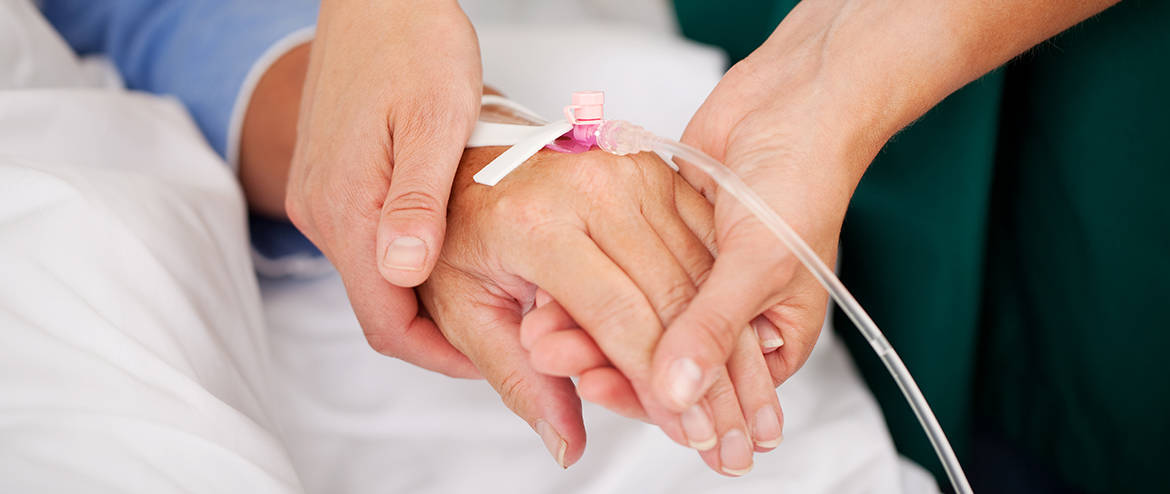
May 18, 2016 Home Infusion Solutions Last updated on February 8, 2018 In the 1980s, infusion therapy began to be offered in the home in response to developments in clinical administration and pressure to reduce costs. For the patient, home infusion offers more convenience and allows them to live more normal lives while undergoing treatment. Today, the industry has continued to grow, making up $9-11 billion dollars spent each year in the U.S. healthcare market. Part of that money is spent on the disposal of regulated wastes and management of equipment in both the pharmacy and the patient’s home. Sharps Compliance offers a variety of home infusion solutions. Pharmacy and Infusion Suite Waste Home infusion pharmacies typically need larger containers to dispose of their medical waste. Sharps Compliance offers a system consisting of two 3.5-gallon pails that stack conveniently at the compounding hood. Sharps’ 20-gallon and 28-gallon systems are designed for the collection of sharps containers and other regulated medical waste. In the infusion suite, Sharps Compliance offers sharps container systems that can be placed by each chair or mounted for use. The 2-, 3.5-, and 20-Gallon Sharps Recovery System are available in “High Heat or Incineration” versions for use with trace chemo and non-hazardous drug disposal. The prepaid, pre-addressed systems are transported through the mail and treated with the most environmentally-friendly method for the specific type of waste. Patient Waste Mailback systems are also very convenient for home infusion patients. The Sharps Recovery Systems are safe, cost-effective disposal solutions for used needles, syringes, vials, and other regulated medical waste, such as items contaminated with trace chemo. These systems are filled, packaged, and mailed by the patient, eliminating the risk and cost of nurses or couriers transporting filled sharps containers in their vehicles. These mailback systems also eliminate the confusion that patients have when trying to determine what to do once containers are full. Sharps Compliance offers a variety of sizes of disposal solutions for patient use. When providing these systems, patients and their families are assured that medical waste is managed with the same care as it would be in a treatment facility. IV Poles and Pump Return Sharps’ Pitch-It IV Poles are perfect for IV or enteral therapy in the home. These lightweight disposable poles come boxed for shipping/delivery to the patient and are easily extended and set up for use by the patient. The Pitch-It Poles eliminate the retrieval, cleaning, bagging, and tagging of old IV poles. The patient simply uses the pole and then pitches it into recycling when therapy is completed. The safe return of infusion pumps, TENS units, and other equipment to the home infusion branch or other designated location can be challenging. Sharps AssetReturn System limits the risk of losing expensive IV pumps and other devices and saves time and money by reducing trips to and from the patient’s home. And unlike regular cardboard boxes sometimes used for shipping of expensive assets, the Sharps AssetReturn System boxes are designed specifically to safely transport pumps and other equipment. When the patient completes therapy, the equipment is simply boxed and shipped directly from the patient’s home using the UPS-prepaid return Sharps AssetReturn System shipping box, which includes tracking and insurance. All of these products and services help reduce branch costs and make home infusion therapy more convenient and affordable. Read More
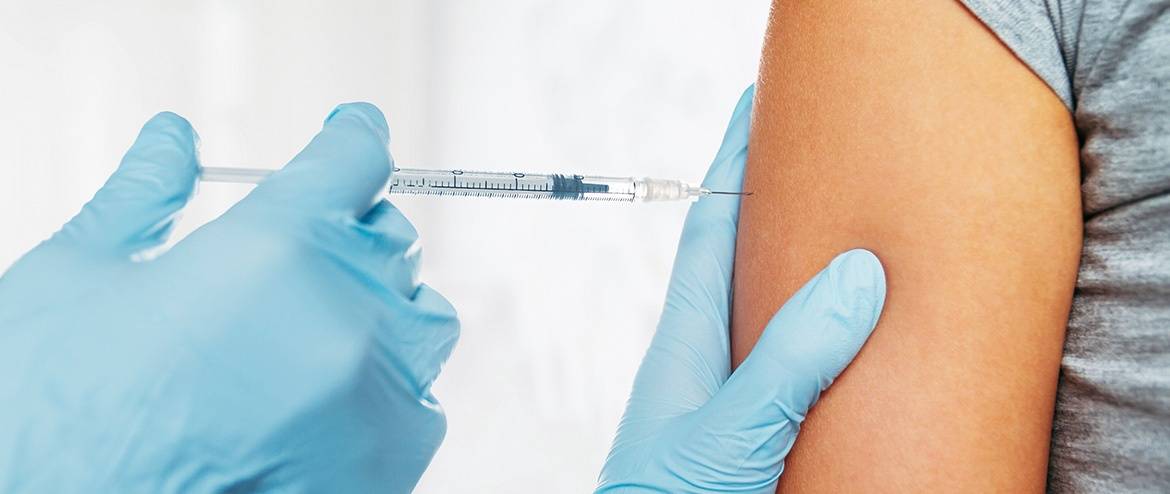
September 21, 2015 Waste Management Solutions for Vaccinations Last updated on January 15, 2019 Vaccines can prevent many life threatening diseases. Pharmacists, nurse practitioners and physician assistants can administer immunizations in many places, including local pharmacies and retail clinics. Vaccines are generally very safe and can help eradicate some diseases. For instance, polio once caused paralysis and even death. Due to the administration of the injectable polio vaccine, there are now no reports of confirmed polio in the United States. Getting immunized has gotten easier as pharmacies offer various immunizations, which are administered by trained healthcare providers. Physicians are the most recognized healthcare provider, but pharmacists in all 50 states can immunize patients. A few states have regulations regarding the vaccine type and patient’s age. The convenience and extended hours of the pharmacy make immunizations at pharmacies very beneficial. With the expansion of retail clinics, also known as convenience care clinics, consumers have even more options for places to get immunized. In an article published in 2015, Kalorama Information reported that out of the 2,000 US adults surveyed, approximately 700 had visited a retail clinic. 74% of these people visited clinics to get vaccinated. Nurse practitioners and physician assistants, who have been thoroughly trained in vaccine administration, staff the clinics. In addition to administering vaccinations, healthcare providers must consider how they will dispose of all the needles and syringes used for vaccinations. Sharps Compliance offers mailback systems in various sizes that are ideal for pharmacies and retail clinics in need of a cost-effective and regulatory-compliant disposal solution for sharps and other small quantities of medical waste. Once the containers are filled, they are packaged in the prepaid return shipping box. The mailback box can be handed to the postal carrier or dropped off at the local post office, or a USPS priority pickup may be scheduled online. All of Sharps Compliance’s customers receive access to SharpsTracer, an online portal for tracking and proof of treatment of returned systems, available 24/7. Sharps Compliance also offers route-based pickup services if needed. Sharps will customize services to fit each customer’s medical waste needs. Read More
September 3, 2015 Protect Yourself against Influenza Last updated on October 30, 2019 Flu season is upon us, and it’s important to know how to protect yourself. Influenza, more commonly referred to as the flu, is an acute viral infection caused by an influenza virus. Common symptoms include muscle and joint pain, high fever, sore throat and runny nose. The flu affects between 5 and 20 percent of Americans each year. Approximately 200,000 people are hospitalized due to flu-related symptoms, and anywhere from 3,000 to 49,000 people die each year from flu-related causes. The most effective way to prevent the flu is to get the flu vaccine. About two weeks after receiving the vaccine, antibodies begin to develop. These antibodies protect against infection by the viruses contained in the vaccine. According to the Centers for Disease Control and Prevention (CDC), “Everyone 6 months and older is recommended for annual flu vaccination with rare exception.” People at high risk, such as those with heart conditions, diabetes and asthma, as well as pregnant women and people over the age of 65 need to get their annual flu shot to potentially avoid getting seriously ill from complications of influenza You can get the vaccine at pharmacies, retail clinics or doctor offices. With over 60,000 pharmacies in the United States, the convenience of getting your flu shot by your trusted pharmacist is invaluable. Pharmacists are trained extensively on administering vaccines, including flu vaccines, so this is a great way to get protected. Also, the number of retail clinics, which are staffed mostly by physician assistants and/or nurse practitioners, has grown dramatically. These healthcare professionals are trained to administer vaccines, providing another safe and convenient route for getting protected against vaccine-preventable diseases like the flu. While no vaccine is 100% effective against the disease that it is designed to protect, the influenza vaccine is matched with the anticipated flu strains each year with the intention of providing maximum protection. Neighbors who get the vaccine but say they still got the flu or the media who states that the vaccine is not effective in a given year are not the experts. The best course of action, if in doubt, is to contact your healthcare provider or read the flu-related information on the CDC website. Read More
January 30, 2015 Managing Pet Diabetes Last updated on January 16, 2019 So the vet just diagnosed your pet with diabetes mellitus, which means that your pet isn’t producing enough insulin which is required for the body to efficiently use sugars, fats, and proteins. Diabetes mellitus is most often diagnosed in older dogs, primarily female dogs and older cats, most often male cats. Younger animals can also be afflicted. Can diabetes in animals be managed? For most animals, diabetes is managed long term by the injection of insulin once or twice a day by the owner or caretaker. While some diabetic cats can be treated with oral medications instead of injections, oral medications are rarely effective in dogs. According to the College of Veterinary Medicine at Washington State University, there are three general types of insulin used in dogs and cats: short- acting insulin (regular or crystalline) is used in sick diabetic animals until they are eating again NPH and Lente are intermediate- acting insulins Ultralente and PZI are long- acting insulins Once the type of insulin is decided, the vet will show the caretaker how to give the pet his/her injection. Most likely, the vet will review how to handle the insulin itself, paying attention to temperature, expiration date, etc. The vet will demonstrate how to use a syringe, how to draw up the insulin in the correct amount as well as how to properly administer the injection. After the injection is given, what should be done with the used needle and syringe? While this part of the conversation between the vet and the caretaker can be very brief or not even discussed, it’s important that the needle and syringe – often referred to as the “sharps” – be placed into a compliant sharps container. The sharps container is designed to hold used sharps in a safe manner until the container is full and ready to be disposed of. Accidental needlesticks occur frequently in the home because needles are left in common areas, such as the trash, countertops, or even the floor, and people – and their pets – inadvertently get stuck. Once the sharps container is full, contact the vet to determine if he/she can take them or can offer a more viable solution. Several states have passed legislation making it illegal to throw sharps into household trash so be sure to work with the vet to determine the safest method of disposal that meets all state requirements. Source: Pet Health Topics. (n.d.) Read More
October 14, 2014 Is It the Flu? Last updated on February 8, 2018 Flu? Ebola? Enterovirus 68? The fall of 2014 is presenting unique challenges to Americans everywhere as people try to determine if they have a cold, the flu, or even the first symptoms of Ebola. Scheduling time to discuss this with a health_x007f_care professional will help to determine what exactly a person is at risk for, what prevention methods are recommended, diagnosis of the disease based on symptoms, what treatment to use, and even development of a plan to keep you, friends, and family healthy. The Centers for Disease Control and Prevention (CDC) recommends that everyone six months of age and older get an annual flu shot1. People at high-risk, such as those with heart conditions, diabetes, and asthma, as well as pregnant women and people over the age of 65 need to get their annual flu shot to potentially avoid getting seriously ill from complications of influenza. For more information on the flu vaccine, click here. Symptoms of influenza can include, but are not limited to, fever, cough, sore throat, runny or stuffy nose, muscle or body aches, vomiting (mostly in children), and headaches. This fall, people may be confused about what they actually have because, with Ebola in every headline, the symptoms are so similar to symptoms of influenza: fever, severe headache, muscle pain, weakness, diarrhea, vomiting, and stomach pain. When adding Enterovirus D68 (EV-D68) into the mix, the confusion deepens since the symptoms of this virus are like flu and Ebola to some extent: fever, runny nose, sneezing, cough, and body and muscle aches. Flu can be spread through the air and also through touching surfaces that house the influenza virus. Like influenza, EV-D68 is also spread through the air so prevention is key for both. While getting a flu shot each year is the best prevention against having the flu according to the CDC2, there are other things that can be done to lessen both flu and EV-D68, such as staying away from sick people, staying home if sick, and washing hands often with soap and water. Linens, eating utensils, and dishes belonging to those who are sick should not be shared without washing thoroughly first. Frequently touched surfaces should be cleaned and disinfected at home, work, and school, especially if someone is ill. Transmission of the Ebola virus is very different from both influenza and EV-D68. However, in addition to having similar initial symptoms, some prevention methods are very similar in that people should wash their hands with soap and water or use an alcohol-based hand sanitizer. So what is a person to do? Talk with your healthcare professional! See your doctor, pharmacist, nurse practitioner, physician assistant, or other healthcare professionals for the facts. Flu shots are offered at many retail pharmacies and retail clinics as well as through your physician. For a quick reference, take the vaccine quiz by clicking here to see what vaccines are necessary to keep you, friends, and family healthier each fall and year round. Resources 1 Key Facts about Influenza (Flu) & Flu Vaccine. (2014, September 9). Centers for Disease Control and Prevention 2 What You Should Know for the 2014-2015 Influenza Season Read More