June 5, 2026 The True Value of Reliable Waste Care: How Compliant Medical Waste Management Protects Our Planet World Environment Day invites every industry to consider how its daily operations shape the world around us. This year’s theme, “Inspired by Nature. For Climate. For Our Future,” challenges organizations to look beyond broad sustainability commitments and focus on the systems that quietly influence environmental outcomes every day. For healthcare, one of those systems is medical waste management. Every year, hospitals, physician practices, laboratories, pharmacies, dental offices, and long-term care facilities generate billions of pounds of healthcare-related waste. Much of it is routine. Some of it is highly regulated. All of it requires thoughtful handling, transportation, treatment, and disposal. When those systems function properly, they are largely invisible. When they fail, the consequences can be significant. The “Syringe Tide” In the late 1980s, beaches along the Atlantic coast (particularly New Jersey and New York) became the center of a national environmental crisis when syringes, medical debris, and other healthcare materials washed ashore. The incident disrupted local economies, costing the tourism industry billions, raised public health concerns, and ultimately contributed to the passage of the Medical Waste Tracking Act of 1988. The event served as a reminder that decisions made inside healthcare facilities can have consequences far beyond their walls. Environmental concerns are not limited to visible waste. Improper disposal of pharmaceuticals and other regulated materials can introduce compounds into soil and waterways where they may affect ecosystems and wildlife. While wastewater treatment and environmental controls have improved significantly over time, responsible segregation and disposal remain critical safeguards against unnecessary environmental exposure. The EPA Regulatory Crackdown of the 1990s The environmental conversation also extends to treatment methods themselves. For decades, thousands of small on-site medical waste incinerators operated throughout the United States. Many lacked the technology needed to effectively control emissions, contributing to concerns surrounding air quality and public health. Recognizing this massive threat to air quality and public health, the EPA instituted strict Clean Air Act regulations in 1997. These regulatory changes accelerated the transition toward more advanced treatment technologies and significantly improved environmental performance across the industry. Today, healthcare organizations have access to a wider range of waste treatment options, including autoclaving, pyrolysis, ozonation, thermal technologies, electrolysis, and other specialized processes. Many providers also use Waste-to-Energy (WTE) facilities and other sustainability-focused solutions to recover value from materials while reducing reliance on traditional disposal methods. The COVID-19 Plastic & Medical Waste Surge The challenges became particularly visible again during the COVID-19 pandemic. Global healthcare systems experienced an unprecedented surge in the use of personal protective equipment, testing materials, and sharps generation. In many regions, waste infrastructure was pushed to its limits. Improper segregation increased the risk of needlestick injuries among waste workers, exposing them to bloodborne pathogens like Hepatitis B, Hepatitis C, and HIV. Additional strain was placed on municipal waste systems that were never engineered to safely contain infectious biohazards. These events illustrate an important reality: environmental stewardship in healthcare begins long before treatment or disposal. It starts with segregation. These events illustrate an important reality: environmental stewardship in healthcare begins long before treatment or disposal. It starts with segregation. Every correctly placed sharps container, every properly managed pharmaceutical, and every staff member trained to identify the appropriate waste stream contribute to a safer outcome for people and the environment alike. This is one reason programs such as reusable sharps container systems, medication take-back initiatives, and mailback solutions continue to play an increasingly important role in healthcare sustainability efforts. By helping ensure materials are directed into the appropriate treatment pathways, these programs support both regulatory compliance and environmental responsibility. Environmental Stewardship in Practice At Sharps Medical Waste Services, we believe environmental stewardship and healthcare operations should work together. For more than 30 years, we have helped organizations safely manage sharps, regulated medical waste, pharmaceutical waste, pathological waste, and other specialized healthcare-generated materials through compliant, cost-effective solutions designed around the realities of patient care. The most meaningful environmental successes rarely make headlines. They happen when the right materials reach the right treatment pathway, to safe, sustainable disposal, every time. This World Environment Day, finding the right medical waste partner may be one of the most important sustainability commitments a healthcare organization can make. — About Sharps Medical Waste Services Sharps Medical Waste Services (MWS) is a leading, U.S.-based partner for regulated medical waste management and compliance solutions, helping healthcare organizations safely manage, transport, treat, and dispose of regulated medical waste in compliance with federal, state, and local regulations. Through a commitment to safety, operational excellence, and customer partnership, Sharps MWS helps protect healthcare workers, patients, communities, and the environment while supporting the essential work of healthcare providers nationwide. For more information, please visit sharpsmws.com. Media Inquiries (281) 901-7619 [email protected] Read More
March 21, 2026 When Home Becomes the Hospital: The Safety Risks of At-Home Medical Care National Poison Prevention Week is a reminder that some of the most serious health hazards are in our living rooms, medicine cabinets, and kitchen cabinets. Maria didn’t think twice about it. Her father was managing diabetes at home, injecting insulin twice a day, just like the doctor ordered. When she helped him clear his nightstand one afternoon, she found a plastic water bottle stuffed with used needles. He’d been filling it for months. “It seemed safer than the trash,” he told her. It wasn’t. Stories like this play out in millions of homes across the country, quietly, without fanfare, and often without consequence. National Poison Prevention Week exists precisely for moments like this one: to shine a light on the risks hiding in plain sight, inside the spaces where we feel safest. The Living Room Is the New Clinic This shift is happening fast. The U.S. home healthcare services market was valued at over $100 billion in 2024 (Fortune Business Insights), and it continues to grow. Home health volumes are expected to increase by 22% by 2034 (Respiratory Therapy), driven by an aging population and a healthcare system that is actively pushing care out of hospitals. The home infusion therapy market alone now serves 3.2 million patients annually, with 60% preferring to receive treatment at home. (Business Wire) That’s millions of people managing complex medical needs; insulin injections, IV infusions, chemotherapy, in spaces designed for living, not for clinical care. The comfort is accommodating. But the risks that come with it are too real to ignore. The Needle in the Trash Bag Sharps: needles, lancets, syringes, auto-injectors, are now everyday items in many households. And every one of them, after a single use, becomes a potential hazard. The CDC estimates that 385,000 needlestick and sharps-related injuries occur among hospital-based healthcare personnel every year (Minnesota Department of Health). In hospitals, there are protocols, trained staff, and regulated disposal systems. At home, there’s often none of that. What there is, instead, is improvisation. Coffee cans. Laundry detergent jugs. The plastic bottle in Maria’s father’s room. These containers seem sturdy until a needle punctures the side, or a lid pops off in a trash bag, and suddenly, a sanitation worker or a curious child is facing a contaminated injury with no warning and no context. Transmission of at least 20 different pathogens, including hepatitis B, hepatitis C, and HIV, by needlestick and sharps injuries has been documented (PubMed Central). The injury doesn’t have to happen to the patient. It can happen to anyone who touches what the patient discarded. Proper sharps containers are engineered specifically to prevent this. They’re puncture-resistant, sealed, and clearly labeled, designed for one job: making sure a used needle is the last thing that hurts anyone. The Cleaning Product in the Wrong Bottle Sharps are one piece of the puzzle. The other sits beneath kitchen sinks and inside garages across the country. Household chemicals cause serious harm every year. Primarily because of obvious misuse, but also because of a surprisingly common shortcut: transferring them into unlabeled containers. A cleaning solution poured into an old soda bottle. A pesticide left in an unmarked cup on the counter. To the person who did it, the context is obvious. To a child reaching for a drink, or an elderly parent whose memory is fading, it isn’t. This is exactly the kind of preventable tragedy National Poison Prevention Week was created to address. The rule sounds simple, but it saves lives: keep all chemicals in their original, labeled containers — always. No exceptions for convenience. The Medicine Cabinet Is More Dangerous Than You Think When most people picture a poisoning risk, they imagine something industrial or something clearly dangerous. The reality is far more ordinary. In 2024, 55 U.S. poison centers handled nearly 2.1 million human poison exposures, roughly one every 15 seconds. Cleaning substances and pain medications top the list of the most common exposures in children (Poison). On average, approximately three children and adolescents ages 0–19 die from poisoning every single day in the United States (Children’s Safety Network). Most of these exposures happen at home, with medications or substances that families assumed were safe simply because they were familiar. For patients receiving complex treatments at home, the stakes are even higher. When a patient receives chemotherapy, traces of the drug remain present in bodily fluids for 48 to 72 hours after treatment. Acute exposure for caregivers can cause rash, nausea, vomiting, dizziness, and abdominal pain. Longer-term exposure has been associated with congenital disabilities and reproductive harm. Research has found contamination from chemotherapy drugs on toilet, bathroom, and kitchen surfaces inside patients’ homes and has documented measurable exposure risks for family members living in those spaces (ScienceDirect). The treatment designed to heal one person can quietly endanger everyone who shares their home. Turning Awareness into Action This is the heart of what National Poison Prevention Week asks of all of us, awareness and action. Most of these hazards are preventable, and prevention doesn’t require a medical degree. It requires the right habits and the right tools. Use certified sharps containers: never household trash, recycling bins, or improvised alternatives. When full, dispose of them through a compliant mail-back or collection program. Keep chemicals and medications in their original containers: labeled, sealed, and stored out of reach of children and anyone who might mistake them for something safe. Follow dosage instructions precisely: even for medications that feel routine. Over-the-counter drugs can cause serious harm when misused or combined with other medications. Handle chemotherapy waste carefully: wear gloves when managing bodily fluids or soiled laundry for 48–72 hours post-treatment, and use a purpose-built trace-chemo disposal system. Talk to your care team: patients receiving home treatment should ask about disposal protocols before leaving the clinic. Providers should make this a standard part of every discharge conversation. Safety Extends Beyond the Point of Treatment National Poison Prevention Week comes once a year. But the risks it highlights exist every day, in the sharps container that never got ordered, the cleaning product stored in the wrong bottle, the medication left where a grandchild can reach it. Sharps Medical Waste Services supports the safety of home-based care. Our solutions are built for real home environments, practical, compliant, and designed to make responsible disposal as easy as possible: Sharps Mailback System: compliant sharps disposal from home, no special trip required TakeAway Medication Recovery System Envelopes: safe, responsible medication disposal for residential use Pickup System for Trace Chemo: purpose-built disposal for chemotherapy-related waste, protecting families and caregivers from hidden exposure The home should be a place of healing. Keeping it that way takes good intentions, the right knowledge, habits, and the right tools. Explore our home disposal solutions and make safety part of your care routine. — About Sharps Medical Waste Services Sharps Medical Waste Services (MWS) is a leading, U.S.-based provider of regulated medical waste management and compliance solutions, serving healthcare facilities, pharmacies, laboratories, and businesses nationwide. The company is committed to protecting public health through safe, compliant, and reliable waste handling services, supported by rigorous regulatory standards, operational excellence, and a customer-focused service model. For more information, please visit www.sharpsmws.com. Media Inquiries (281) 901-7619 [email protected] Read More
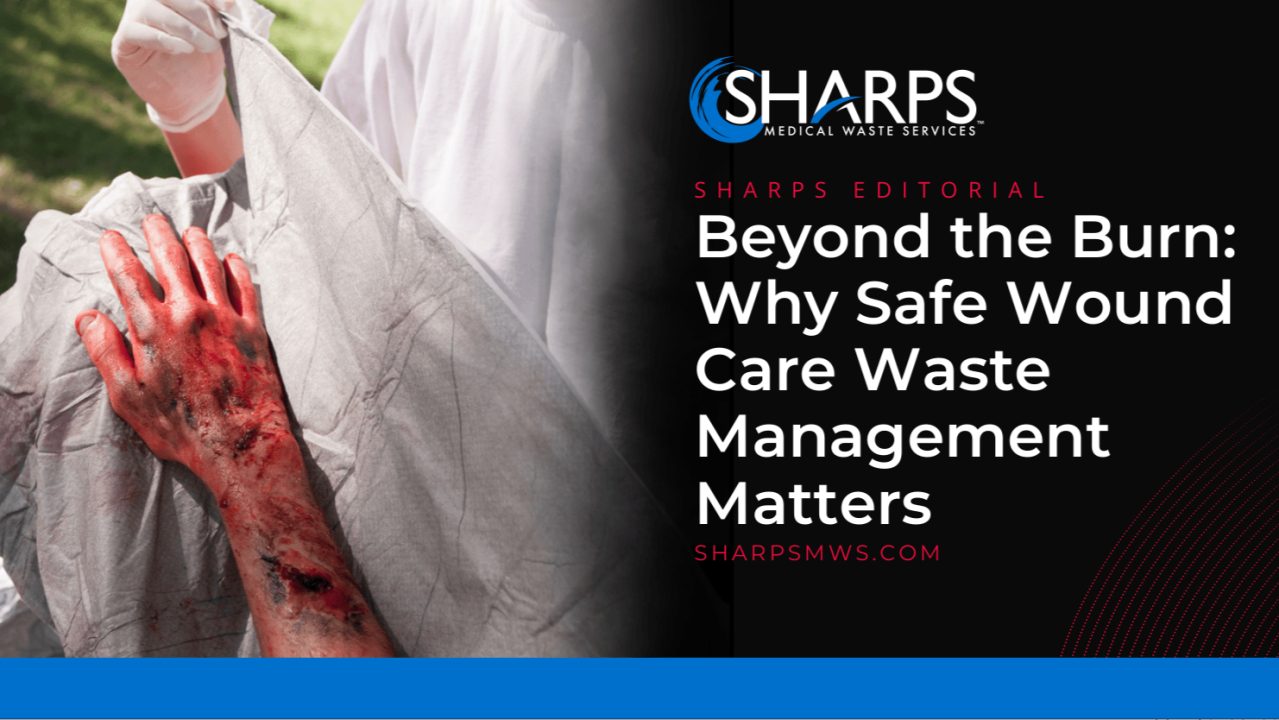
February 11, 2026 Beyond the Burn: Why Safe Wound Care Waste Management Matters Burn injuries remain a serious and costly challenge across the U.S. healthcare system. According to the American Burn Association, tens of thousands of patients require burn-related medical treatment each year, with many injuries occurring in homes, workplaces, and long-term care environments. Many burn injuries are preventable through education, environmental controls, and safer practices. What receives far less attention is what happens after a burn injury occurs. Once treatment begins, healthcare teams generate a high volume of contaminated waste, including used dressings, gauze, gloves, irrigation materials, and sharps, which introduces a second layer of risk. If that waste is not handled correctly, it can expose staff, patients, and the environment to preventable harm and regulatory noncompliance. Burn Care Start With Treatment Burn care is complex. Even minor burns often require frequent dressing changes, debridement, and pain management. More severe burns can involve surgical intervention, injectable medications, and prolonged wound care. Each of these steps generates regulated medical waste that must be managed carefully. Common burn mechanisms include scalds from hot liquids or steam, thermal burns from fire or hot surfaces, chemical burns from cleaning agents or industrial products, and electrical burns. Because burn wounds compromise the skin’s protective barrier, the risk of infection increases significantly. Peer-reviewed research published in Clinical Microbiology Reviews highlights the elevated infection risk associated with burn wounds due to tissue damage and immune response challenges. When contaminated materials are not segregated, contained, or disposed of properly, that infection risk extends beyond the patient to staff and the care environment. The Risks Associated with Improper Disposal of Burn Wound Waste Burn-related waste frequently includes: Blood- or exudate-saturated dressings and gauze Used gloves and PPE Needles, syringes, and lancets Disposable instruments and irrigation supplies Under OSHA’s Bloodborne Pathogens Standard (29 CFR 1910.1030), materials contaminated with blood or other potentially infectious materials (OPIM) must be handled as regulated waste. This regulation establishes requirements for engineering controls, sharps containers, labeling, employee training, and exposure control plans. Improper disposal can lead to: Needlestick and sharps injuries Cross-contamination between patients or care areas Environmental exposure during transport or storage Regulatory citations and corrective action plans The World Health Organization’s Safe Management of Wastes from Health-Care Activities emphasizes that healthcare waste mismanagement increases occupational injury and infection risk, particularly for environmental services teams and other frontline workers responsible for handling waste after clinical care is complete. Understanding the Regulatory Landscape Burn wound waste management is governed by multiple overlapping regulatory authorities: OSHA The Occupational Safety and Health Administration (OSHA) requires healthcare employers to protect workers from exposure to bloodborne pathogens through engineering controls, proper containerization, labeling, PPE, and documented training programs. DOT The U.S. Department of Transportation (DOT) Hazardous Materials Regulations (49 CFR Parts 171–180) govern how regulated medical waste is packaged, labeled, and transported off-site. This includes requirements for packaging integrity, marking, and shipping papers. EPA The Environmental Protection Agency (EPA) provides federal oversight under the Resource Conservation and Recovery Act (RCRA), while treatment and disposal requirements are largely managed at the state level. Because definitions and treatment standards vary by state, healthcare facilities must verify compliance with their specific jurisdiction. Facilities are responsible for compliance at every stage, from the point of generation through final treatment and disposal. While regulations establish minimum requirements, many healthcare organizations adopt additional best practices to further reduce risk. Strengthening Burn Wound Waste Safety in Healthcare Settings Healthcare facilities can reduce compliance and safety risk by focusing on a few foundational practices: Segregation at the point of use: Sharps should be placed immediately into puncture-resistant sharps containers that meet OSHA requirements. Saturated dressings and other regulated medical waste should be disposed of in properly labeled biohazard containers. Sharps safety: Burn care often involves injectable medications and debridement tools. Positioning approved sharps containers at the bedside reduces unnecessary handling and lowers injury risk. PPE and environmental controls: Gloves, gowns, face protection, and proper surface disinfection align with the Centers for Disease Control and Prevention (CDC)’s infection prevention guidance and OSHA requirements. Cleanable surfaces and controlled storage areas further reduce environmental exposure. Waste minimization with intention: The WHO encourages healthcare facilities to minimize unnecessary waste generation, provided that safety and single-use item restrictions are not compromised. Training and documentation: The OSHA Bloodborne Pathogens Standard requires annual training for employees with occupational exposure risk. Consistent training ensures clinical staff, EVS teams, and temporary workers understand their role in safe waste handling. Clear documentation supports compliance during inspections and internal audits. The Association of periOperative Registered Nurses reinforces that waste management is a shared responsibility across clinical and support teams. The Value of an Integrated Waste Partner Managing burn wound waste across hospitals, urgent care centers, ambulatory surgery centers, and long-term care facilities requires consistency, documentation, and oversight. A qualified medical waste partner can help standardize container placement, improve traceability, and support regulatory documentation efforts. However, regulatory responsibility always remains with the healthcare facility. Sharps Medical Waste Services supports healthcare organizations with: Regulated medical waste and sharps management Pathological, chemotherapy, hazardous, and universal waste services DEA-compliant medication disposal (21 CFR Part 1317) Reusable sharps container programs Digital tracking tools for documentation and audits Compliance support and waste assessments While no partner replaces a facility’s regulatory responsibility, the right support structure can reduce operational burden and risk. Burn Recovery Requires Safe Waste Management Preventing burn injuries remains a critical public health priority. But once an injury occurs, safe recovery depends on more than clinical skill alone. It depends on how effectively healthcare organizations manage the waste generated during treatment. For healthcare leaders, infection preventionists, EVS teams, and administrators, burn wound waste management represents an opportunity to strengthen safety culture, protect staff, and maintain regulatory compliance. Clinical excellence and operational safety are deeply connected. Healthcare organizations that address the full lifecycle of burn care, from prevention through regulated disposal, are better positioned to protect people, maintain compliance, and operate with confidence. — About Sharps Medical Waste Services Sharps Medical Waste Services (MWS) is a leading, U.S.-based provider of regulated medical waste management and compliance solutions, serving healthcare facilities, pharmacies, laboratories, and businesses nationwide. The company is committed to protecting public health through safe, compliant, and reliable waste handling services, supported by rigorous regulatory standards, operational excellence, and a customer-focused service model. For more information, please visit sharpsmws.com. Media Inquiries (281) 901-7619 [email protected] Read More
September 30, 2025 When Flu Season Peaks, Waste Systems Are Put to the Test On a weekday morning in late October, the line at a neighborhood pharmacy snakes past the shelves of cold medicine. Parents bring children in for flu shots, older adults wait patiently for their turn, and behind the counter, the pharmacist moves quickly from one patient to the next. By noon, dozens of doses have been given. In the early days of flu season, the focus is on prevention. Pharmacies promote vaccinations, clinics extend hours, and hospitals prepare for an influx of patients. A single busy pharmacy can generate hundreds of used needles in a week. Multiply that by thousands of pharmacies and clinics, and the scale becomes clear. Every act of prevention also creates a responsibility: waste must be managed safely, reliably, and in full compliance. Rising Volumes, Rising Stakes Across U.S. hospitals, more than 5 million tons of waste are generated annually, an average of 29 pounds per bed, per day. This level of volume underscores how flu season surges strain disposal systems. More patients mean more regulated waste. When waste streams swell during flu season, facilities without strong systems encounter problems quickly. Containers fill faster than expected. Pickups scheduled for normal operations no longer keep pace. Staff face decisions about where to place excess material, and compliance gaps open. These are not small inconveniences. The effects ripple outward. An overfilled container becomes a safety hazard for the person asked to move it. A delayed pickup can place a facility at risk during an inspection. Even small breakdowns add pressure at a time when healthcare workers already carry demanding loads. What Reliable Service Provides Effective waste management in this context is not limited to convenience. It is a safeguard that protects staff, patients, and the organization itself. Reliable service during flu season means: Collections that adapt to higher volumes without disruption. Containers and liners that are designed to withstand greater use. Records that document every step, ready for any audit. Processes that support infection control rather than compromise it. When those elements are in place, healthcare teams stay focused on patient care rather than the risks accumulating in storage rooms and hallways. The Sharps Commitment Sharps Medical Waste Services is built to perform under pressure, with programs structured to keep pace with seasonal surges. Our containers are engineered to protect against leaks and punctures and withstand the demands of higher use. SharpsTracer documentation systems provide clear visibility from pickup through treatment. And our service teams are trained to anticipate needs before problems arise. For healthcare leaders, this level of reliability is essential. It is what allows the focus to remain where it belongs: delivering safe, effective care during the most demanding months of the year. Preparing for the Season Ahead Flu season will always test the resilience of healthcare systems. Facilities that prepare for higher volumes protect their staff, remain compliant, and avoid costly setbacks. Reliable waste management is part of that preparation. Sharps provides the assurance that every container is serviced, every record is accurate, and every detail will meet the standard required. That assurance is what lets clinical priorities take precedence, even when the season is at its peak. >> Request a quote today and prepare your facility for flu season. Read More
August 21, 2025 The Six-Figure Cost of Small Mistakes: How Proper Medical Waste Disposal Protects Your Bottom Line In healthcare, the smallest details often determine the biggest outcomes. A mislabeled bag, an overfilled container, a shipment sent to the wrong facility, each seems minor in isolation. Yet when repeated, these oversights can reshape balance sheets, disrupt operations, and erode public trust. Waste disposal is rarely the subject of boardroom debate. It does not command the same attention as new surgical technology or patient experience initiatives. But the record shows that what happens after a procedure ends has a direct line to financial performance and public confidence. When Errors Multiply In 2023, Minnesota regulators fined a hospital $100,000 after discovering that infectious waste had been routed to a non-compliant facility (Star Tribune, 2023). The issue was not spectacular in scale. It was the product of ordinary mistakes, oversights in the process that grew into a sanction with real financial and reputational costs. This is a familiar pattern. Across the healthcare sector, compliance failures seldom begin with willful neglect. They begin with shortcuts, inattention, or systems that fail to adapt to increasing waste volumes. Each decision may save a minute or a dollar in the short term, but over time, the accumulation becomes costly. The Dimensions of Cost The true expense of improper medical waste disposal extends far beyond the fine itself. It touches four critical dimensions of organizational performance: Financial exposure: Fines and penalties vary, but they can escalate into the millions. Insurers may also limit coverage and increase premiums when violations occur. Operational disruption: Investigations trigger retraining, procedure rewrites, and additional audits, pulling staff away from patient care. Reputational impact: Communities expect healthcare institutions to model safety. When waste makes headlines, trust declines quickly and is slow to return. Legal liability: Exposure events can lead to civil claims and settlements, each with its own financial and reputational weight. The combined effect is rarely visible in a single line item. It appears in staff turnover, erosion of goodwill, and hesitation from partners and patients. Why Prevention is an Investment The alternative is not glamorous, but it is effective. Organizations that invest in reliable medical waste disposal systems preserve both safety and financial resilience. Predictable service models such as mail-back programs or scheduled route pickups align costs with actual waste volumes. Documentation platforms like SharpsTracer provide end-to-end visibility, ensuring proof of compliance is always available. Standardized processes reduce the need for emergency interventions, allowing staff to focus on patients rather than paperwork. The economics are straightforward: preventing a problem is consistently less expensive than correcting one. That’s why choosing the right waste management partner is important. Beyond Compliance Proper disposal reflects an institution’s priorities. It shows that safety and accountability extend from the point of care to the last mile of handling. It protects the workforce and the institution’s promise to its community. For leadership, the directive is clear. Build systems that make the right action routine. Measure them with the same discipline given to clinical quality and patient outcomes. Sharps Medical Waste Services supports your facility’s needs with reliable programs, clear documentation, and tools designed to prevent small errors from becoming large costs. Trust is built in the details, and reliable waste management is the standard. >> Protect your bottom line with compliance solutions from Sharps — About Sharps Medical Waste Services Sharps Medical Waste Services (MWS) is a leading, U.S.-based provider of regulated medical waste management and compliance solutions, serving healthcare facilities, pharmacies, laboratories, and businesses nationwide. The company is committed to protecting public health through safe, compliant, and reliable waste handling services, supported by rigorous regulatory standards, operational excellence, and a customer-focused service model. For more information, please visit sharpsmws.com. Media Inquiries (281) 901-7619 [email protected] Read More
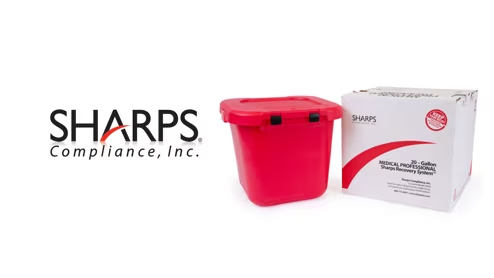
February 20, 2025 Recovery Systems [20-30gal] Learn to properly package used healthcare products and sealed sharps containers in our uniquely serialized 20 and 30-gallon TakeAway Recovery Systems. Our DOT-approved shipback units provide all-inclusive waste treatment, tracking through SharpsTracer, and professional regulatory compliance. Watch Now
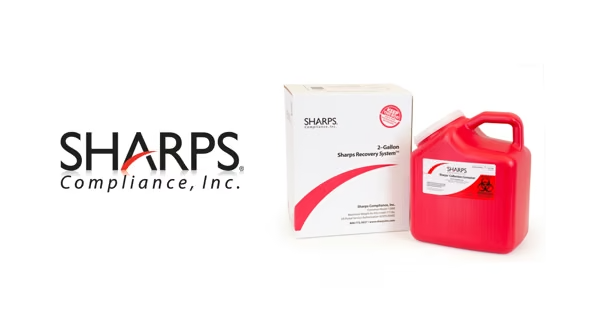
February 20, 2025 Recovery Systems [1qt to 3gal] This training video covers USPS-authorized mailback systems for small-volume sharps disposal. Learn to manage uniquely serialized containers (1qt to 3gal), ensuring cradle-to-grave compliance. Watch Now
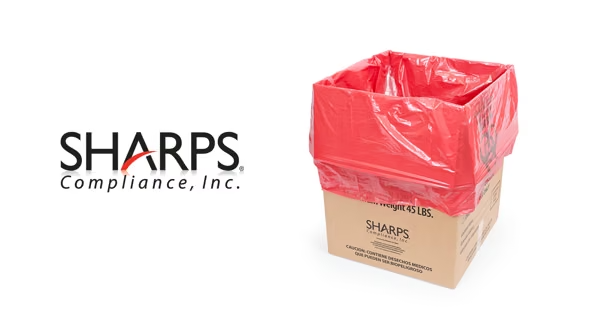
February 20, 2025 Medical Waste Pickup Boxes Review how to correctly prep and seal medical waste pickup boxes for compliant transport. The demonstration illustrates how to shroud the container with the provided red bag, safely deposit materials like sharps containers, and tie the liner before taping the box shut. Watch Now
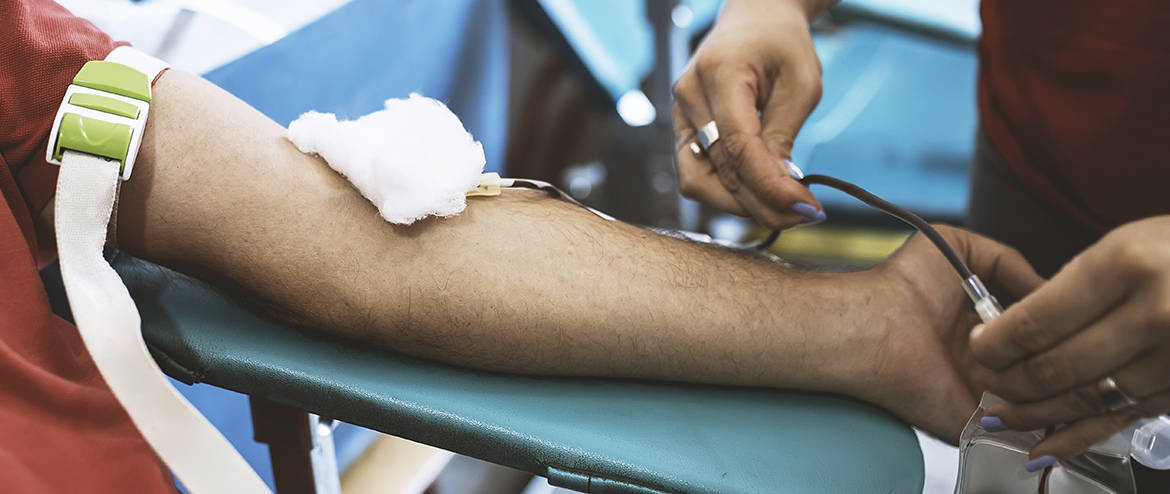
August 31, 2022 Medical Waste Disposal in Blood Banks Blood banks play a critical role in healthcare by collecting, storing, and distributing blood for patients needing transfusions. Each day with each patient, blood banks generate regulated medical wastes (RMW), so safety must be a priority. Due to the generation of RMW, employees must receive training such as OSHA Bloodborne Pathogens, DOT, and other federal and state-mandated requirements. This training helps blood banks maintain workplace safety and avoid potential fines and penalties. RMW Wastes Generated at Blood Banks Blood and blood products can transmit serious diseases, including Hepatitis B & C, HIV, and malaria to name a few. Because of the dangers involved, the donation, handling, labeling, storage, and distribution of blood and blood products is regulated by multiple agencies, including OSHA and the FDA. To keep blood donation safe, new sterile equipment is used for every donor, so there’s no chance of any donor being infected by a bloodborne pathogen. The many precautions taken to guard against infection mean that each step of the donation process generates regulated medical wastes. Types of RMW generated at blood banks during the screening and collection processes include: Sharps waste from the initial hemoglobin test. All donors undergo a preliminary screening prior to the actual donation process. Waste from the pre-collection testing process: Before blood is collected for donation, it’s collected into tubes for screening. Waste from the donation process. The actual blood, plasma, and/or platelet donation generates medical waste in the form of tubes, sharps, and collection bags. Blood/Blood products: Sometimes the blood/blood products collected are unusable for various reasons and must be disposed of too. This waste is classified as “red bag waste,” which must be placed in secure containers for proper disposal and treatment. An RMW transporter, such as Sharps Compliance, would need to be utilized to come to your blood bank to pick up the waste for the most cost-effective and compliant management of your RMW per federal and state regulatory requirements. Additionally, Sharps Compliance offers our proprietary online waste tracking program, SharpsTracer, where the generator can see when waste was received, its weight, and the certification of destruction. Safety & Compliance Training for Blood Bank Staff Disposal costs for regulated medical wastes are much more expensive than costs to dispose of general and recycling wastes. Thus, keeping all non-RMW waste out of red bag containers is important. Proper staff training not only helps you comply with regulations but can help you save money on RMW disposal costs. OSHA’s bloodborne pathogens and needlestick prevention standard outlines the proper use and management of sharps and how to reduce the potential for employee needlesticks and exposure incidents. To reduce or eliminate the danger of exposure to bloodborne pathogens and needlestick injuries, employers “…must implement an exposure control plan for the worksite with details on employee protection measures. The plan must also describe how an employer will use engineering and work practice controls, personal protective clothing and equipment, employee training, medical surveillance, hepatitis B vaccinations, and other provisions as required by OSHA’s Bloodborne Pathogens Standard (29 CFR 1910.1030).” Learn more about OSHA compliance: Sharps Safety Under OSHA’s Needlestick Prevention & Safety Act Medical Waste Management Under OSHA’s Bloodborne Pathogens Standard Every blood bank team member who may come into contact with blood products or other contaminated items must receive safety and compliance training. Employees may need training in one or more of the following areas: OSHA Bloodborne Pathogens Hazard Communication HHS-Compliant HIPAA training DOT training required for packaging and manifesting regulated medical waste Hand Hygiene Sharps Safety Training PPE Sharps Compliance Can Help When your employees are ready for training, we’re ready for them! Our online training system, ComplianceTrac, is available 24/7, so individual staffers can access required training on their schedule. The system’s in-depth training videos allow employees to train in typically less than an hour and receive instant completion certificates. We’re an experienced, full-service medical waste disposal company. Our regulatory experts understand the complex web of federal, state, and local medical waste regulations. Contact us online or call 800.772.5657 to talk with us about a custom RMW disposal solution for your blood bank. Read More
August 17, 2022 Five Ways to Control Medical Waste Disposal Costs Healthcare waste management is complex. Up to 85% of wastes generated in hospitals, clinics, and other situations can be disposed of in regular trash or recycled. However, multiple federal and state agencies regulate the small amounts of wastes that constitute hazardous or regulated medical wastes (RMW). Costs for managing these wastes are significantly higher than for regular trash. If your employees are placing non-RMW into red bag containers, they are literally throwing money away. However, you could also be liable for regulatory fines and penalties if employees place regulated wastes in regular trash or recycling containers. Here are five tips to help you control medical waste disposal costs at your facility. Train Employees on Waste Segregation Workplace injuries cost money. Employees can be injured by loose sharps or other improperly disposed of items. These injuries carry a variety of costs, such as time off work, medical care, lawsuits, fines, and penalties. Improper disposal of medical wastes may also spread dangerous pathogens – particularly bloodborne diseases like HIV and hepatitis. Proper training gives your staff the knowledge and confidence to comply with all applicable regulations. At Sharps Compliance, we provide posters, flyers, and other educational materials to help your employees understand and comply with regulations. Our customers also have access to online documentation and online 24/7 training to ensure their employees stay safe on the job. Locate and Label All Waste Containers Proper labeling and placement of waste containers provide essential visual cues for busy staff and reinforce training. Your goal should be to make waste segregation as easy as possible. For example: Color-code and label all waste containers. Only “red bag” waste containers should be red or orange, while recycling containers should be green. Whatever colors and labels you use, be consistent. Maintain consistent placement of all containers. No staff member should have to ask, “Where is the sharps container in this exam room?” because all your sharps containers should be in the same place in all exam rooms. Keep disposal containers near the point of generation. Make disposal convenient so a caregiver can safely dispose of used sharps and contaminated materials at the point of use. That increases efficiency and compliance while reducing the risk of dangerous needlestick injuries. Sharps Compliance offers medical waste collection containers in various sizes and configurations, so our customers can choose the disposal solutions that work for them. Use a Full-Service Medical Waste Disposal Company A full-service provider gives you a single solution with standardized containers, a single point of contact, and the ability to establish relationships. In addition, a full-service company can quickly “scale up” – or down – as your waste disposal needs change. For example, the quantities of medical waste generated in hospitals, clinics, and long-term care centers increased significantly during the COVID-19 pandemic. Some facilities needed to move from mailback solutions to on-site pickup and required more supplies. As one Sharps Compliance pickup driver noted in a recent interview: “Pandemic precautions greatly increased the size of some pickups. Instead of one box, we might get 20 boxes because of the COVID spike in testing. Many of our customers needed a lot more supplies.” As a full-service medical waste management company, Sharps Compliance supported our customers’ increased requirements during that difficult period. Develop a Medical Waste Management Plan and Conduct Waste Audits A variety of state, local, and federal laws and regulations govern medical and hazardous waste disposal. All states must follow federal regulations, but states and localities may set stricter regulations – and many do. Some states and counties require generators to register, create, and maintain facility-specific medical waste management plans. Where required, plans must be updated when changes are made. Such changes might include a new waste disposal company, changes in the types of waste generated, or changes in the disposal containers’ location. Every generator should create a medical waste management plan, revisit it regularly, and use it to conduct waste audits. A formal plan describes the types and amount of medical waste generated and defines the procedures necessary for the proper handling, treatment, and disposal. Use the waste management plan to develop employee training materials and conduct frequent waste audits. Our 3-part series “What’s Going Into That Red Bag” helps generators understand the different waste classifications, provides suggestions to ensure proper waste classification and guidelines for employee training, and encourages waste audits and program evaluation. A waste management plan and regular audits help you avoid workplace injuries and potential regulatory fines and penalties. Choose Your Medical Waste Management Company Carefully Medical and hazardous waste generators have “cradle-to-grave” responsibility for the handling, transportation, and destruction of wastes. That makes the choice of a waste management company critically important. If the company makes mistakes, you are ultimately responsible! Regulated medical, hazardous, and pharmaceutical wastes are generated by a wide variety of healthcare providers, including hospitals, veterinary clinics, physician and dental offices, urgent care clinics, long-term care facilities, and home healthcare. However, other industries also generate medical waste – funeral homes, medspas, and tattoo studios, for example. At Sharps Compliance, we work with our customers to develop custom solutions that match their individual needs and budgets. Contact us online or call 800.772.5657 to learn more about how we can help you save money and stay compliant. Read More
August 3, 2022 On The Road with Sharps Compliance Drivers A Sharps Compliance driver has one of the most important jobs in the company. For many of our pickup customers, the driver is the face of the company and main point of contact. Every driver gets questions about safety, waste treatment, training, and more. Recently, we spoke with two Sharps Compliance drivers, Albert Willis and Josh Goble, about their daily experiences and the relationships they build with customers. What do Albert and Josh wish every pickup customer knew about medical waste disposal, safety, and their jobs? This is your chance to find out. Safety Doesn’t Stop with You Albert and Josh aren’t just drivers; sometimes, they’re also educators. Albert:“I help customers understand that safety protects everyone involved. Safety starts when you place the waste in a secure container, but it doesn’t stop there. It goes all the way from collecting the waste to packaging it, shipping it, to autoclave and shredding. I try to help customers understand how important every step is. Especially now, a lot of places have high turnover or they’re hiring new staff. I’ll step in when I can to remind the customer about the importance of training and act as a resource.” Josh: “We have a lot of materials and brochures to help customers, but that doesn’t necessarily mean that everyone at the facility understands the difference between types of waste and how to package it. For example, one customer called for a sharps pickup, and the entire 28-gallon shipping box was filled to the top with loose, used sharps. The person packaging the waste didn’t realize that the sharps go into collection containers and the filled containers go into the shipping box. There was just a 5mm bag and cardboard box separating us from hundreds of used sharps!” Medical waste generators have cradle-to-grave responsibility for the wastes generated at their facilities. The regulations are designed to protect patients, staff, waste haulers, treatment facility workers, the public, and the environment. It’s essential for staff to receive training on how to properly package regulated medical and sharps waste so that it can be transported and treated safely. Your Time Is Valuable, So We Take Our Schedules Seriously A typical driver’s day may include dozens of stops and last 12 hours. Scheduled pickup times help our drivers plan and provide better customer service. We understand that your staffers are busy juggling multiple tasks – and all of them are important! Even minor delays can disrupt everyone’s schedule, so our drivers urge customers to have the waste packaged, labeled, and ready for pickup. Josh:“I sometimes have up to 22 stops a day, so I try to stay on schedule. Some things we can’t control, like weather or traffic tie-ups, but sometimes I’m delayed because a previous customer didn’t have the pickup ready to go. We’re always prepared to help our customers, and we need them to be ready and help us keep our day moving. Pandemic precautions greatly increased the size of some pickups. Instead of one box, we might get 20 boxes because of the COVID spike in testing.” Albert: “Before COVID, keeping to the schedule was easy-peasy – just walk in, say hello, pick up the boxes, and I was gone. But now, so much has changed. In many places, we need to arrive at a designated time so we can fill out health forms, answer questions, get our temperature taken…all that before we can even gain access to service the account. What used to be a 10-minute stop can take three times as long, and soon an 8-hour day turns into a 14-hour day.” Generators Must Package Their Own Wastes Although our drivers want to help customers as much as possible, there are regulatory limitations. They are there to pick up packaged wastes; it’s literally all the laws allow them to do. Sharps offers customers posters with step-by-step instructions for packaging their medical waste transport box or container. Josh: “Some customers don’t understand they have to package all waste. The wording on the shipping manifest says that the generator takes responsibility for the proper packaging and labeling of wastes. We can’t do that for them.” Albert: “I want to help customers as much as I can, but there are things I’m just not allowed to do. I can’t help you package waste, but I can walk you through your facility and show you what you need to do. I can’t touch your waste, only move the boxes. I don’t have the PPE needed to handle waste directly. Imagine if I were to try it at a pediatric facility and pick up a virus. I could spread that to the next stop at a dentist’s office, at an assisted living facility, you get the idea. The customer boxes up the waste. I wear gloves when I handle the boxes and wash my hands after removing the gloves. It helps protect me, the next customer, warehouse drivers, and everyone down the line.” We Take More Than Sharps Albert: “Sharps is in our name, but it’s not the only thing we do. With some newer customers, I’ll go inside for the pickup, but the person says they don’t have anything. Then I get called back for another pickup and find out that they did have some used gauze and biohazardous stuff. When I asked one customer why they didn’t give it to me before, they said that, since I said I was with ‘Sharps Compliance,’ they thought I only took sharps.” Sharps Compliance is a full-service medical, pharmaceutical, and hazardous waste disposal company. Yes, we do take more than just sharps – a lot more! In some markets, we can even help customers with their secure document shredding and disposal needs. We’re Proud of The Work We Do for Sharps Compliance Although we didn’t ask our drivers to give us a shout-out, it was great to hear that they’re proud of their work and the opportunities they have within the company. Josh: “I love not being in an office all day and being able to travel and see different towns, but I like working for Sharps in particular because I know that I’m contributing to a good cause. I’m helping protect the public and the environment. What I do every day is helping society.” Albert:“You wouldn’t believe the support I get from upper management. I’ve worked at some places where I was continually questioned and micromanaged. But management here trusts that I’m making the right decisions. I’m not just a number here. I’ve played sports all my life, and I like being part of a team – and that’s what we are here at Sharps.” There Really Is a Sharps Compliance Advantage Both drivers noted how surprised some new customers were when they saw the level of service they get from Sharps Compliance compared to “some of the other guys out there.” Would you like to learn more about the Sharps Compliance Advantage? Contact us online or call 800.772.5657 to learn more about our environmentally sustainable, regulatory-compliant solutions for your medical waste disposal needs. We can help you create a custom waste disposal solution that meets your facility’s individual needs and your budget. Read More
July 6, 2022 Regulated Medical Waste Disposal in Urgent Care Centers Urgent care clinics bridge the gap between emergency departments (ED) and primary care providers. They’re an alternative for patients who need immediate medical care for conditions that aren’t life-threatening. Patients may present with symptoms as diverse as sore throats, minor cuts and puncture wounds, broken bones, or serious conditions that require emergency transport to an ED. Depending on their services, urgent care centers may generate regulated medical and pharmaceutical wastes. Sharps Compliance is a trusted partner to many urgent care providers nationwide. We provide a variety of medical waste mailback and pickup services customized to each clinic’s needs. What Is Urgent Care? Urgent care clinics carry a variety of names: Acute care clinics Minor emergency centers Quick care clinics Urgent care clinics are changing the healthcare landscape in the US, according to Insider Intelligence. Consumer expectations for healthcare access are changing, and urgent care centers can help fill the gaps. “Consumer demand for hyper-convenient care has reached a fever pitch, especially among younger cohorts. Nearly one-quarter of Millenials haven’t visited a primary care physician (PCP) in five years or more, with about one-third saying that going to get a physical isn’t convenient, per a 2019 Harmony Healthcare IT survey. That’s why we’re seeing more younger patients opt for medical care as well as walk-in appointments for real-time needs such as covid testing.” They provide walk-in treatment of acute injuries and illnesses that aren’t life-threatening but still require professional medical treatment within 24 hours. Because the clinics often offer extended hours outside the regular M-F/9-5 office hours provided by many primary care providers, urgent care clinics provide more immediate patient care. They can be more cost-effective, convenient alternatives to emergency room care. Urgent Care Is a Rapidly Growing Industry in the US The shortage of primary care physicians in the US is getting worse. A 2019 Association of American Medical Colleges report predicted a shortfall of between 21,100 and 55,200 primary care physicians by 2030. This shortage makes it harder for many Americans to access primary care, particularly in rural and other underserved areas. Emergency departments have long acted as the nation’s health safety net. Even before the COVID-19 pandemic, ED overcrowding was a problem at many hospitals. It can result in worse patient outcomes and higher medical costs. A 2009 study found that serious complications rose three- to five-fold in acute coronary syndrome patients who presented at EDs during times of overcrowding. Long ED wait times are associated with increases in the number of patients who leave against medical advice before treatment is complete. As the number of clinics increases (as well as the expanded services available), so does the need for affordable, regulatory-compliant medical waste disposal solutions for urgent care clinics. Sharps Compliance is here to help. Regulated Medical Waste and Urgent Care We offer mailback collection systems with everything urgent care clinics need to collect, package, and compliantly ship the waste for treatment. Sharps Shipback Systems are ideal for safely collecting and properly treating sharps waste and other used healthcare products. The sizes range from 1-quart to 20 and 30-gallon Covidien sharps shipback containers` with wall enclosures help urgent care centers keep counter space clear. The convenient wall mounts help prevent access to contents in high-traffic areas. We also offer route-based medical waste pickup services for urgent care clinics that generate more red bag waste, like rapid infectious disease testing materials and soiled wound dressings. We provide everything needed to package and label regulated medical wastes for transport. Our fully-permitted vehicles and treatment facilities comply with all state and federal regulations. Urgent Care Centers and Pharmaceutical Waste Disposal Many urgent care clinics may need to dispose of unused, recalled, or expired non-controlled and non-hazardous medications. Our MedSafe Basic is an affordable, easy-to-use disposal solution for the compliant treatment of unwanted and expired medications. Sharps Compliance Offers Solutions State medical waste regulations differ, and we can help urgent care centers comply with all applicable laws. Employee training: Our online training and compliance system, ComplianceTrac, helps clinics provide required employee training, maintain safety data sheets, manage OSHA documentation, and more. Custom medical waste solutions: Our sales and support teams work with each urgent care center to determine their individual needs and develop a custom waste management and disposal solution. Call us at 800.772.5657 to learn more about our medical waste management and disposal solutions for urgent care clinics. We’re here to help you solve problems and comply with all regulatory requirements. Read More